
The Right Rental Changes Everything
Most people planning a mountain biking trip think about the trails first and the rental second. That order should be reversed. A house that backs up to the trailhead changes the entire rhythm of the trip — you roll out from the garage in kit, you come back muddy and exhausted and hose down the bikes before stepping inside, you're back on the trail before other riders have finished finding parking. A house thirty minutes from the trailhead means thirty minutes of driving in biking shoes each way, logistics around multiple vehicles, and a hard stop at dark because nobody wants to be loading bikes by headlamp.
The properties in this guide were selected with those criteria in mind. Locked garage or secure bike storage. Proximity to the trail systems that define each destination. The kind of setup that makes a five-day MTB trip feel efficient rather than logistically exhausting. If you've ever shown up at a rental and discovered there's nowhere to put four muddy mountain bikes except the living room floor, you understand why this matters.
This is a guide to base camps, not to trails. The trail information will change — new routes open, conditions shift by season, your local trail association has the current picture. What won't change is the value of a well-chosen rental close to the riding.
---
Moab, Utah
Moab is the benchmark against which every other mountain bike destination in the United States is measured. Not because it has the most trail miles, or the smoothest flow, or the most accommodating terrain for beginners — it has none of those things. It's the benchmark because it has Slickrock Trail, Porcupine Rim, and The Whole Enchilada, and because the canyon landscape that surrounds the town redefined what people thought an MTB destination could look like.
The Slickrock Bike Trail is a 9.6-mile loop across bare Navajo sandstone in the Sand Flats Recreation Area east of town. The surface has a sandpaper texture that provides counterintuitive grip — you can ride up grades that would be unrideable on dirt — but the exposure is real and the route is marked by painted dots rather than conventional trail structure. First-timers should do the 2.3-mile practice loop first. It is genuinely technical and genuinely rewarding.
Porcupine Rim is a different kind of ride: a point-to-point descent starting above the canyon rim and dropping roughly 3,000 feet toward the Colorado River, with views that open onto the canyon system below. It is long, exposed in sections, and one of the most memorable descents in the region. The Whole Enchilada — a longer mega-descent from the La Sal Mountains down to the valley floor — is the kind of thing you fly to Moab specifically to do once.
What makes Moab particularly productive for a rental base is geography: most of the major trail systems are within a short drive of downtown along a relatively compact corridor. The Sand Flats area is closest to the properties east of town; Amasa Back and the Captain Ahab area are accessible from the south. A property in town is genuinely useful — unlike some destinations where proximity to one trailhead means distance from another, Moab's rideable real estate is concentrated enough that almost any downtown or near-town rental works.
Best for: technical riders who want exposure, canyon views, and the kind of riding that requires genuine skill to unlock. Not ideal for beginners — the terrain forgives very little.
---
Bentonville, Arkansas
The biggest surprise in American mountain biking doesn't have red rock walls or Cascade scenery. It has rolling Ozark hardwood forest, a grid of small-city streets, and more than 300 miles of purpose-built trail in the surrounding hills — funded, in large part, by Walmart money.
The Walton family's investment in the Bentonville trail system transformed a mid-sized Arkansas city into one of the most visited mountain biking destinations in the country. OZ Trails is the regional trail network — an interconnected system across multiple parks and properties that spans the northwest Arkansas corridor. Slaughter Pen is the urban core of it: flow trails, jump lines, and technical features built into the hillside immediately adjacent to downtown Bentonville, within walking distance of restaurants and the Crystal Bridges Museum. Back 40 is longer, more cross-country in character, running along Tanyard Creek through a hardwood forest corridor.
What Bentonville does that Moab doesn't is serve every skill level without compromise. A group with a seasoned expert and a nervous intermediate can go out together and both have a good day. The flow trail design means the trail does some of the work for you — the berms and rollers are designed to reward speed and rhythm rather than technical precision. It's a different discipline than slickrock, and for large chunks of the riding public, it's more fun.
The cost structure is also different. Bentonville's rental inventory is more affordable than Moab's, the town has genuine food and culture (Crystal Bridges alone is worth the trip), and the riding season runs almost year-round — the Ozarks have mild winters and the trails drain well. Families, intermediate riders, people who ride together but don't all ride at the same level: this is the destination that fits them best.
Best for: flow trail enthusiasts, families with mixed skill levels, riders who want volume of trail miles, anyone who wants to be surprised by Arkansas.
---
Methow Valley, Washington
The Methow Valley sits in the rain shadow of the North Cascades, in the far northeast corner of Washington State. Mazama is the small community at the upper end of the valley — a cluster of exceptional cabins and lodges surrounded by sagebrush-and-pine terrain with the jagged peaks of the North Cascades as backdrop. The scale is different here: fewer riders, quieter roads, singletrack that runs through alpine meadows and along creek corridors with almost no one else on it.
Methow Trails maintains the valley's non-motorized trail network — the same organization that builds and grooms the cross-country ski trails in winter operates the summer singletrack and multi-use trails. The Sun Mountain Lodge trail system provides a significant concentration of riding around the lodge property above the valley floor. The character is predominantly cross-country: rolling terrain, significant climbing, trails that reward fitness and navigation over technical skill.
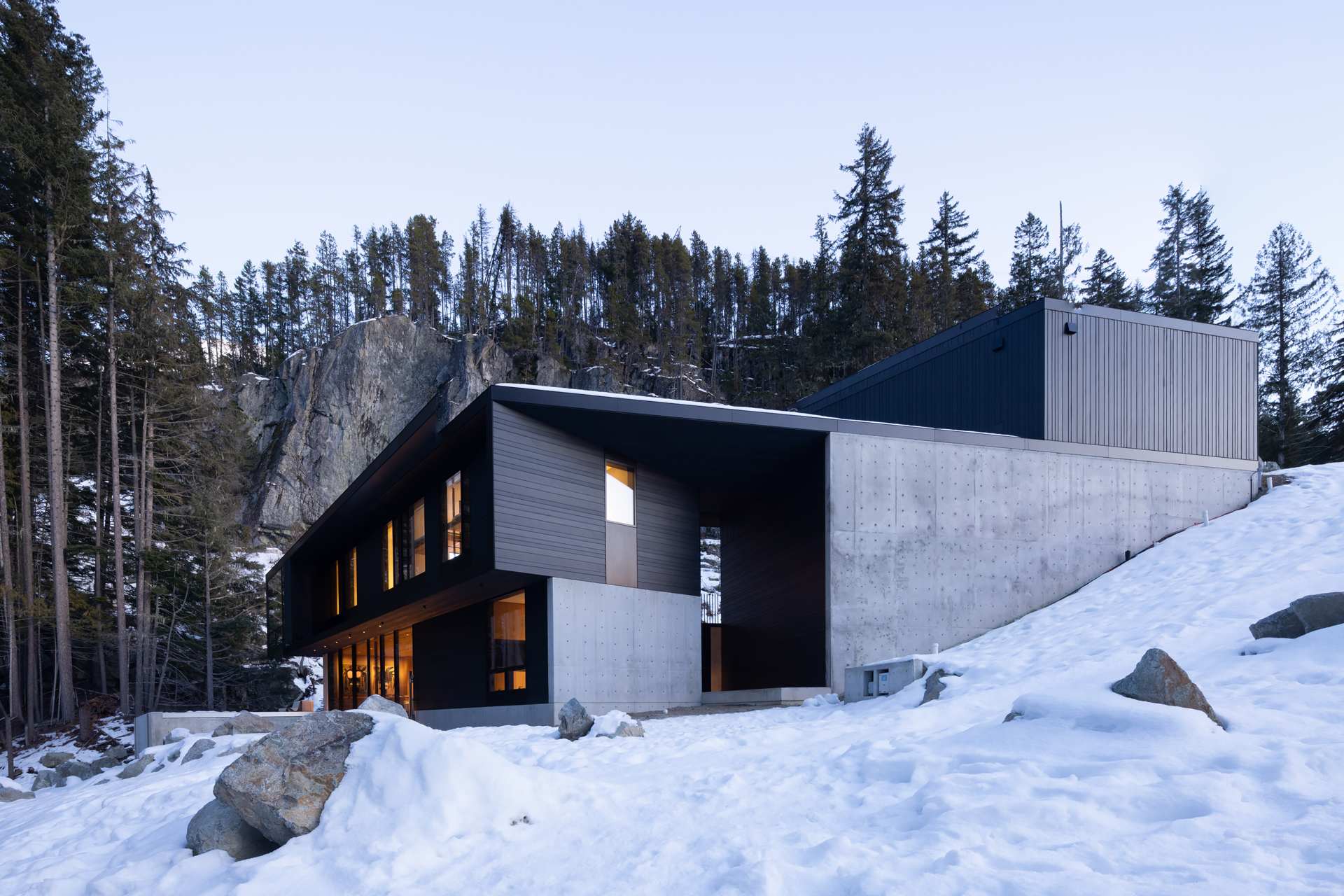
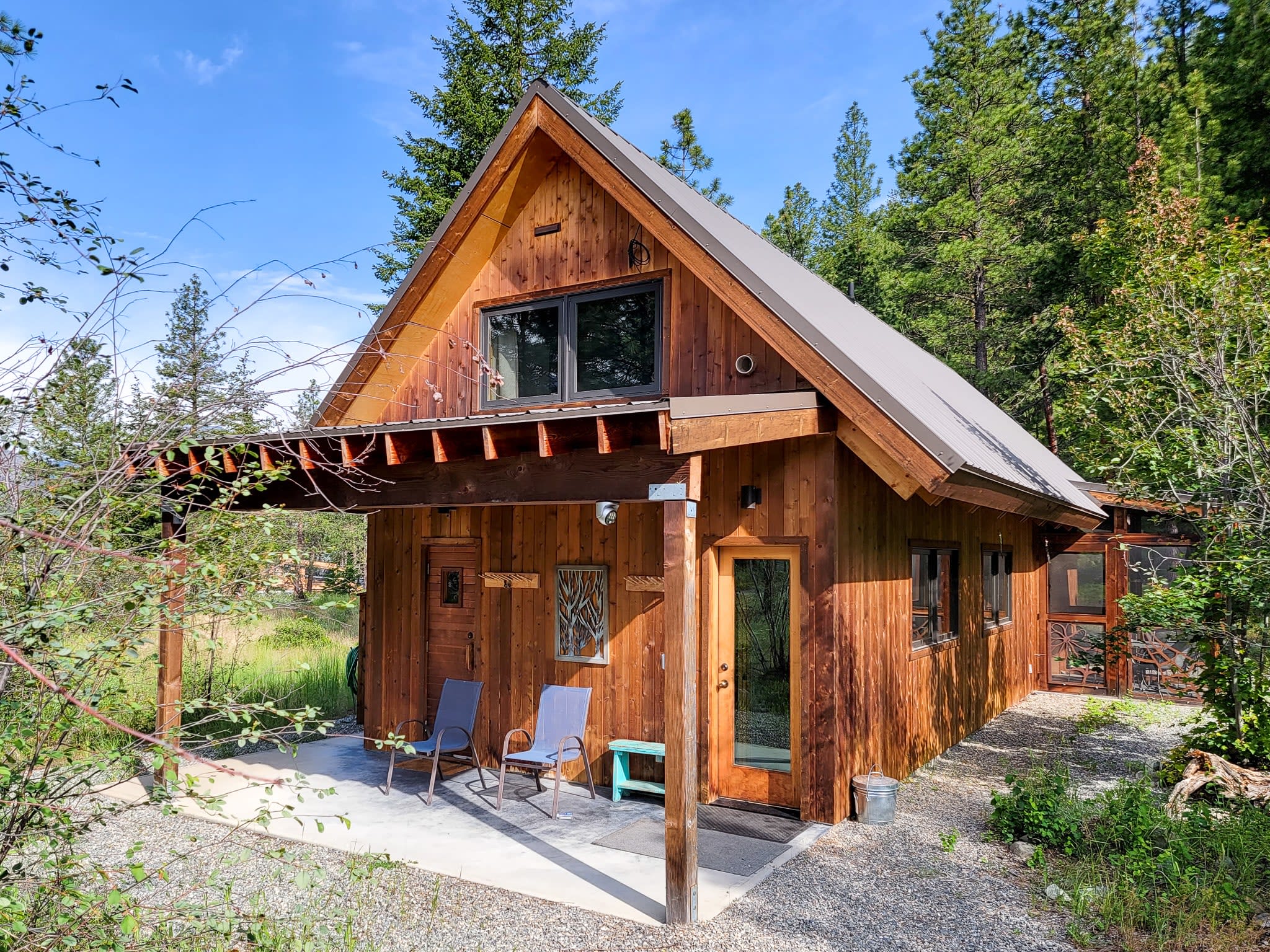
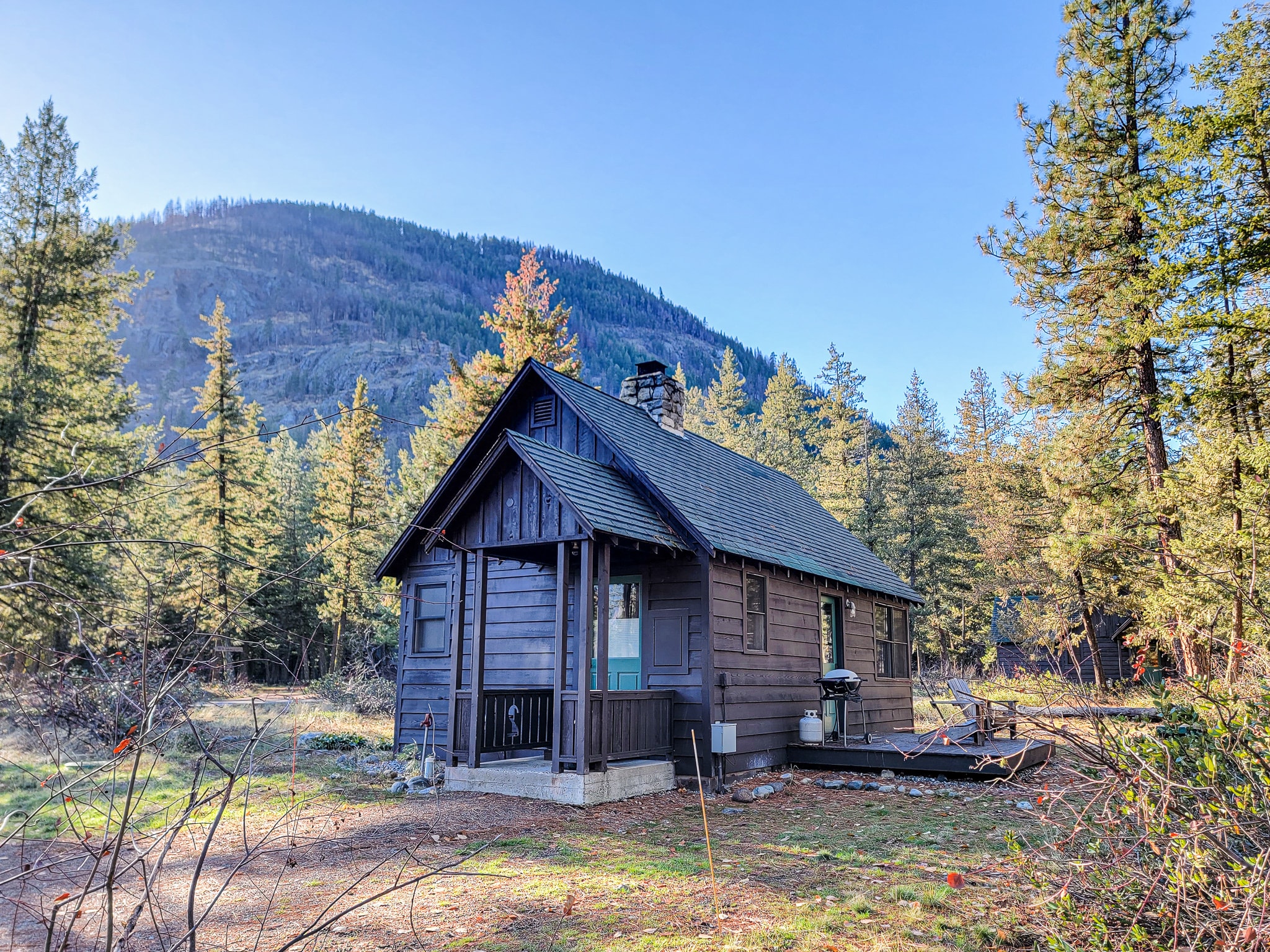
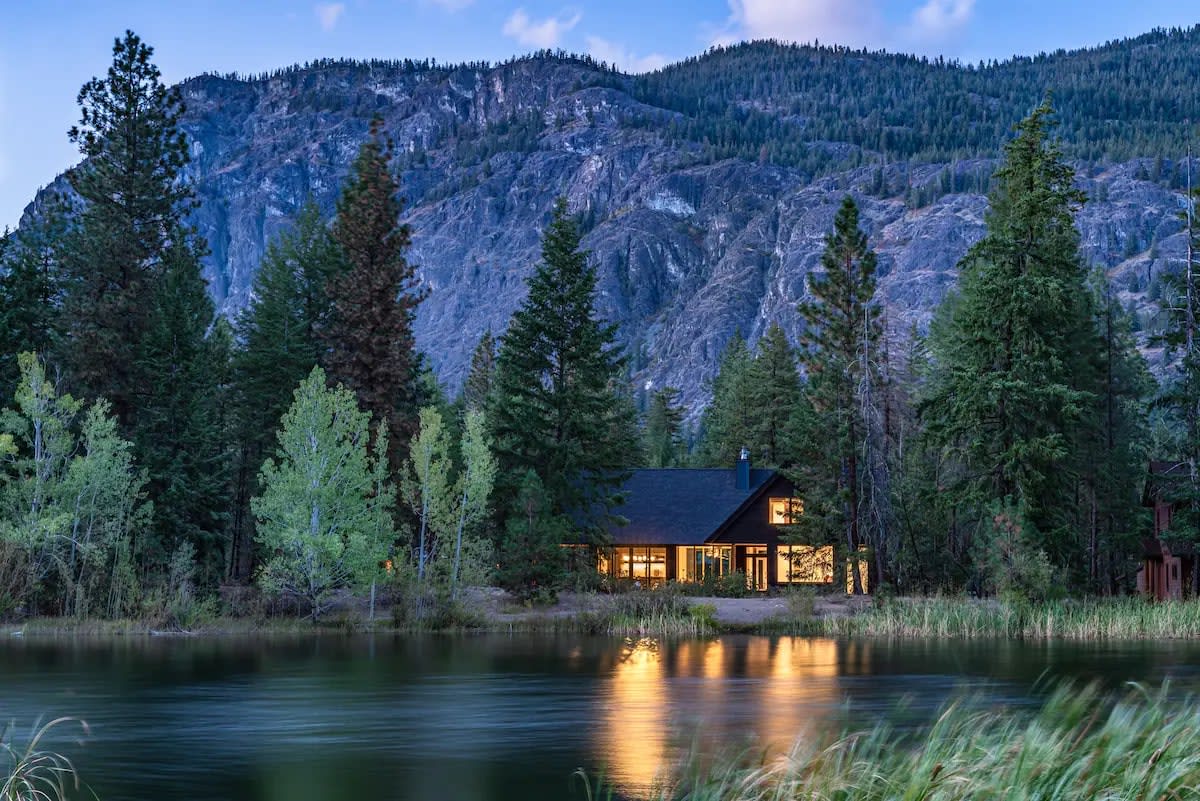
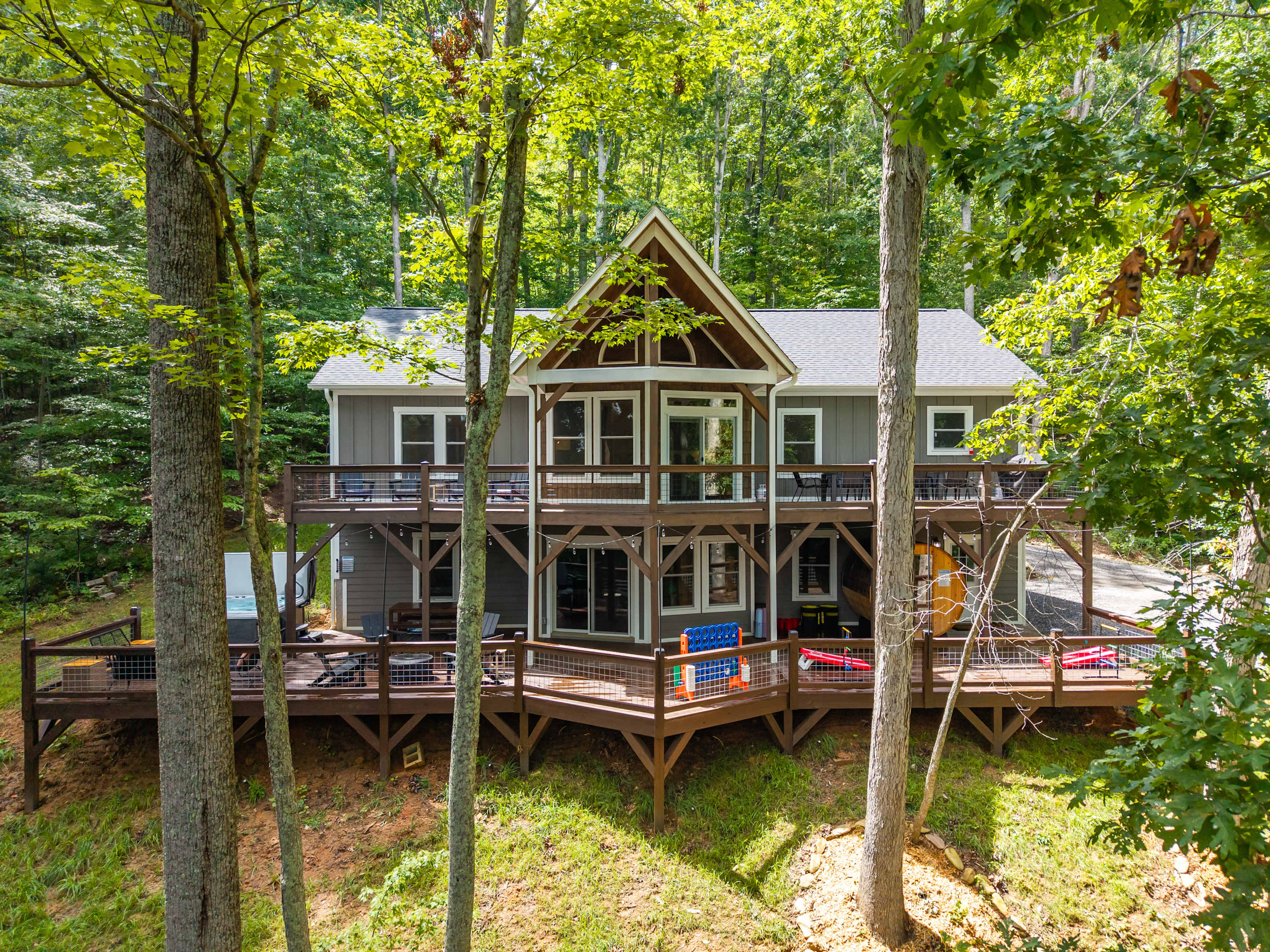
The properties in Mazama are part of what makes this destination exceptional. Several are managed through Guesty by the same operator, which means genuinely Scandinavian-inspired cabin design — clean lines, sauna, screen porches that open toward the meadow — rather than the generic mountain lodge aesthetic. The Apres Cabin sits on Freestone Lake with direct access to the Upper Methow Valley trail system. Adeline cabin is described by its hosts as being on the edge of an iconic Mazama meadow, Scandinavian-designed, with a sauna and indoor-outdoor flow. The Creekside Bunkhouse runs directly beside the Early Winters Creek year-round trail system and is steps from singletrack. Miners Refuge is a trailside cabin with floor-to-ceiling windows overlooking the Chechaquo Ranch meadow — the trail runs past the property.
This is a place for riders who want the combination: genuine quality singletrack, exceptional accommodation, and scenery that doesn't feel like a backdrop.
Best for: cross-country riders, solo travelers or couples who want quality over volume, anyone who wants a biking trip that also involves some genuine wilderness.
---
Whitefish / Glacier, Montana
Whitefish Mountain Resort operates 26 miles of purpose-built lift-accessed mountain bike trails from the same infrastructure that runs the ski lifts in winter. Chair 1 and Chair 4 serve the bike park all summer; riders load from the base area, ride to the top, and descend on trails that range from beginner-level green runs to expert enduro lines with significant technical features. The town of Whitefish connects to the resort via a network of town trails, so a property near the resort or in town can reasonably be the base for a lift-accessed day followed by an evening trail ride from the front door.
The Flathead Valley broadens the options: XC trail systems around Whitefish Lake and into the surrounding forest provide distance riding when you want something other than the resort's downhill terrain. Glacier National Park is nearby, though the park's interior roads are predominantly scenic driving and hiking rather than mountain biking — the riding in this corridor is resort-and-valley based.
Northern Lights Lodge is a 15,000-square-foot ski-in/out luxury lodge on the slopes of Whitefish Mountain Resort — literally on the mountain, not adjacent to it. It hosts 4 floors, an elevator, a red velvet movie theater, sauna, and spa. For a large group trip built around the bike park, it functions as a full destination in itself. Tamarack Treehouse is the opposite: a 2-bedroom, 825-square-foot treetop cabin on the slopes, singular and intimate.
Best for: downhill and enduro riders who want lift-assisted riding, groups that want resort infrastructure plus genuine Montana scenery.
Full Whitefish & Glacier guide →
---
Sedona, Arizona
Sedona's trail system is built on red sandstone — not the smooth, grippy slickrock of Moab but a rougher, looser rock that requires constant front wheel attention and rewards precise line choice. Hangover Trail is the most celebrated technical ride: an exposed traverse along a narrow ledge above the canyon floor with drop-offs that justify the name. Submarine Rock is a shorter, more accessible technical loop. Broken Arrow is a multi-use trail through a dense concentration of red rock formations — it's one of the few trails in Sedona where e-bikes are permitted, which expands the accessible audience significantly.
The case for Sedona as a winter and shoulder-season mountain biking destination is strong. When Moab is cold and the Methow Valley is buried in snow, Sedona is often in the 60s and 70s with dry trail conditions. The desert light in November and December — low angle, warm, with the red rock glowing against a deep blue sky — is extraordinary. February through April and October through November are prime windows.
Summer is the caveat. Sedona in July is consistently above 100°F, and that temperature range makes sustained trail riding genuinely uncomfortable and potentially dangerous. Early morning riding (dawn start, back at the rental by 10am) extends the viable season, and some riders manage it. E-bikes with their lower physical exertion help with heat management. But the honest advice is: come to Sedona in spring or fall, not summer.
Best for: technical riders who want desert terrain, riders coming from the northeast looking for winter riding, anyone who wants to combine genuine singletrack with world-class food and scenery.
---
Honorable Mentions
Whistler, British Columbia is the benchmark for lift-accessed gravity mountain biking — the Whistler Mountain Bike Park runs on the same infrastructure as the ski resort and offers trail options from smooth bermed flow lines to the exposed rock slabs and gap jumps of the upper mountain. It is the destination serious gravity riders plan entire trips around.
Bend, Oregon is a true trail town: the Deschutes River Trail, Phil's Trail complex, and the Mckenize River Trail system surround a city with genuine food culture, craft beer, and a population that rides. The Central Oregon high desert climate means a long season and light, fast trail surfaces. Full Bend guide →
Pisgah Forest, North Carolina is the roots-and-rocks answer to Bentonville's flow trails. Pisgah is old-school Appalachian mountain biking: steep, wet, technical, rooted, with wooden bridges over creek crossings and climbs that don't negotiate. Black Mountain trails are the center of the expert riding; the forest as a whole offers weeks of exploration for riders who want something different from the manufactured flow of purpose-built parks. This is the riding that shaped a generation of East Coast mountain bikers. Full Asheville & Pisgah guide →
---
What to Look For in a Rental
The most important feature for a mountain biking rental is secure bike storage. Full-suspension trail bikes run $3,000–$8,000 and above — leaving four of them in a carport or chained to a porch rail is not a plan. A locked garage with room for bikes is the top criterion. A dedicated shed with a good lock is second. A locked room inside the property is a distant third.
After storage: a water source for bike washing. A hose station or outdoor spigot that allows post-ride cleandown keeps mud off floors, keeps drivetrains functioning, and extends brake life. Properties with actual bike wash stations — a hose, a stand, a drain — exist and are worth paying for.
Proximity to the main trailhead is the critical logistics number. Under 15 minutes means you can realistically do a post-dinner lap and still get back before dark. Over 30 minutes and the driving becomes part of the day in a way that erodes motivation for extra sessions.
Useful additions that are worth checking for: a tool station or workbench (a cable snaps, a derailleur needs adjustment — a proper workspace matters), high-speed WiFi for Trailforks and Strava (you're going to be looking at trail maps every night), and outdoor gear storage that handles muddy kit between sessions. The featured listings in this guide were selected partly for how well they meet these criteria.
---
How to Search on CielStay
The Resonance search engine on CielStay reads descriptions, location data, and host notes in full — which means natural-language queries work. Try these to find MTB-suitable rentals:
- "mountain biking cabin with garage Moab" — surfaces properties near Sand Flats with secure storage
- "trail access rental Bentonville" — finds properties with direct trail access in northwest Arkansas
- "MTB-friendly cabin near singletrack" — works across regions
- "bike storage cabin Mazama Methow Valley" — the Mazama cluster shows up well in this query
- "mountain biking Whitefish bike park access" — finds resort-adjacent Whitefish properties
The more specific the query, the better the results. If you know which trail system you're targeting, include it by name. Start searching →
Find your base in United States & Canada — browse stays indexed by CielStay.
Search stays on CielStay →Frequently asked questions
What US destinations have the best mountain biking?
Moab, Utah is the historical benchmark — Slickrock Trail and The Whole Enchilada define what technical desert riding looks like. Bentonville, Arkansas has emerged as the most accessible destination in the country, with a massive network of flow trails in the Ozarks funded by the Walton family. Sedona, Arizona offers year-round red rock singletrack with a long shoulder season. The Methow Valley in Washington State is the most underrated: genuine cross-country riding through the North Cascades with exceptional lodging. Whistler, British Columbia is the gold standard for lift-accessed gravity riding.
What should I look for in a mountain bike rental property?
Secure bike storage is the priority — a locked garage or dedicated bike room for bikes worth thousands of dollars. After that: a water hose or bike wash station for post-ride cleandown, proximity to the main trailhead (under 15 minutes is the practical threshold), and a workbench or tool area for trail-side repairs and adjustments. High-speed WiFi matters more than it might seem — you will be on Trailforks every evening planning the next day.
Is Bentonville really worth a mountain biking trip?
Yes, emphatically. The Walton family (Walmart founders) invested heavily in building a world-class trail network across northwest Arkansas, and the result is OZ Trails — a regional system that includes Slaughter Pen (flow trails and jump lines adjacent to downtown), Back 40 (cross-country through hardwood forest), and dozens of connected trails across the corridor. The terrain suits every skill level, the costs are lower than Moab or Whistler, and Crystal Bridges Museum of American Art is genuinely one of the best art museums in the country. Most riders who go leave wondering why they waited so long.
Can I mountain bike in Sedona in summer?
You can, but summer temperatures in Sedona regularly exceed 100°F, which makes sustained trail riding genuinely uncomfortable and potentially dangerous in the middle of the day. Riders who go in summer typically start before dawn, finish by 9 or 10am, and spend the rest of the day at the pool. Fall (October through November), winter, and spring (February through April) are dramatically better — temperatures in the 60s and 70s, dry trails, and extraordinary desert light. Some trails, including Broken Arrow, permit e-bikes, which reduces physical exertion and extends the viable riding window slightly.
Stays near this guide
Top-rated independent stays in the region, ranked by CielStay authenticity score.




Try a search
Searches inspired by this guide — describe the vibe you want.
More guides


Nearby landmarks & attractions
Key destinations and attractions in the United States & Canada area.
Moab, Utah ↗ Maps
Slickrock Trail, Porcupine Rim, The Whole Enchilada — the defining MTB destination.
Bentonville, Arkansas ↗ Maps
300+ miles of flow trail in the Ozarks, funded by Walmart fortune, accessible for all levels.
Mazama, Washington ↗ Maps
The Methow Valley base camp — XC singletrack through the North Cascades.
Whitefish Mountain Resort ↗ Maps
26 miles of lift-accessed downhill and enduro trails in Montana.
Sedona, Arizona ↗ Maps
Technical red rock singletrack — Hangover Trail, Submarine Rock, year-round riding.
This guide was assembled from the local knowledge of hosts with properties throughout United States & Canada, as indexed by CielStay. The descriptions of restaurants, trails, swimming holes, and local tips reflect what hosts share with guests in their listings — not the observations of a travel journalist or guest reviewer. Photos are sourced from host listing images and are credited to their respective listings. Information about permits and trail conditions may change; always verify with official sources before your trip.