The City
Asheville sits at 2,134 feet in a bowl formed by the confluence of the French Broad and Swannanoa rivers, in the Blue Ridge Mountains of western North Carolina. The city has roughly 95,000 residents and a cultural identity that was shaped by several overlapping waves: the Gilded Age wealth of the Vanderbilt estate, the Art Deco building boom of the 1920s (which left downtown with one of the most intact Art Deco streetscapes in the South), the decline and isolation of the mid-20th century (which preserved that streetscape by accident of economic stagnation), and the arts-and-brewing revival of the late 1980s onward.
The result is a small city with an unusually dense arts scene, a nationally recognized culinary and brewing culture, and a physical setting — the Blue Ridge ridgeline visible from virtually every elevated point in the city, the Smokies an hour west — that produces outdoor access unmatched by any other city of similar size in the eastern US.
The Biltmore Estate
The Biltmore Estate was built between 1889 and 1895 for George Washington Vanderbilt II — 8,000 acres in the French Broad River valley, a 175,000-square-foot French Renaissance château with 35 bedrooms, 43 bathrooms, and 65 fireplaces, and grounds designed by Frederick Law Olmsted. It remains the largest private home ever built in the United States and is still owned and operated by the Vanderbilt family. The estate is now open to the public, including the house, the Antler Hill Village winery (one of the most-visited wineries in the US), a hotel, and 8,000 acres of managed forest and garden. Multiple hosts in Asheville listing copy reference Biltmore as a feature of the area's identity; several properties are within 6 miles of the entrance.
The Blue Ridge Parkway
The Blue Ridge Parkway runs 469 miles from Shenandoah National Park in Virginia to the Great Smoky Mountains National Park in North Carolina — the most-visited unit in the National Park System, with 15+ million annual visits. The Asheville section (Milepost 382–422) is the most accessible stretch, with multiple overlooks, the Craggy Gardens area at 5,900 feet, and the Folk Art Center at Milepost 382. The parkway was designed as a scenic motor road; it has no commercial vehicles, no billboards, and 45 mph speed limits throughout. In October, it is the premier fall foliage drive in the eastern US.
The River Arts District
The River Arts District occupies a 2-mile stretch of former industrial buildings along the French Broad River on Asheville's western edge — the city's largest arts district, with 200+ working studios, galleries, and creative businesses housed in converted cotton mills, railroad warehouses, and manufacturing buildings. The district has a working studio character that differentiates it from more commercial gallery streets; many artists are in residence and visible at work. The French Broad River Greenway connects the River Arts District to downtown via a 2.5-mile paved trail along the riverbank.
Craft Beer
Asheville has more craft breweries per capita than virtually any city in the US and has been cited repeatedly on national lists as the top craft beer city in the South. The density of independent breweries in a walkable downtown corridor — including Highland Brewing (the state's oldest craft brewery, founded 1994), New Belgium's East Coast campus on the river, and dozens of smaller operations — supports a brewery tourism circuit that functions as its own attraction. Hosts consistently reference breweries as a feature of proximity in listing copy ("close to breweries", "25 minutes from downtown Asheville, close to breweries").
Western North Carolina Mountains
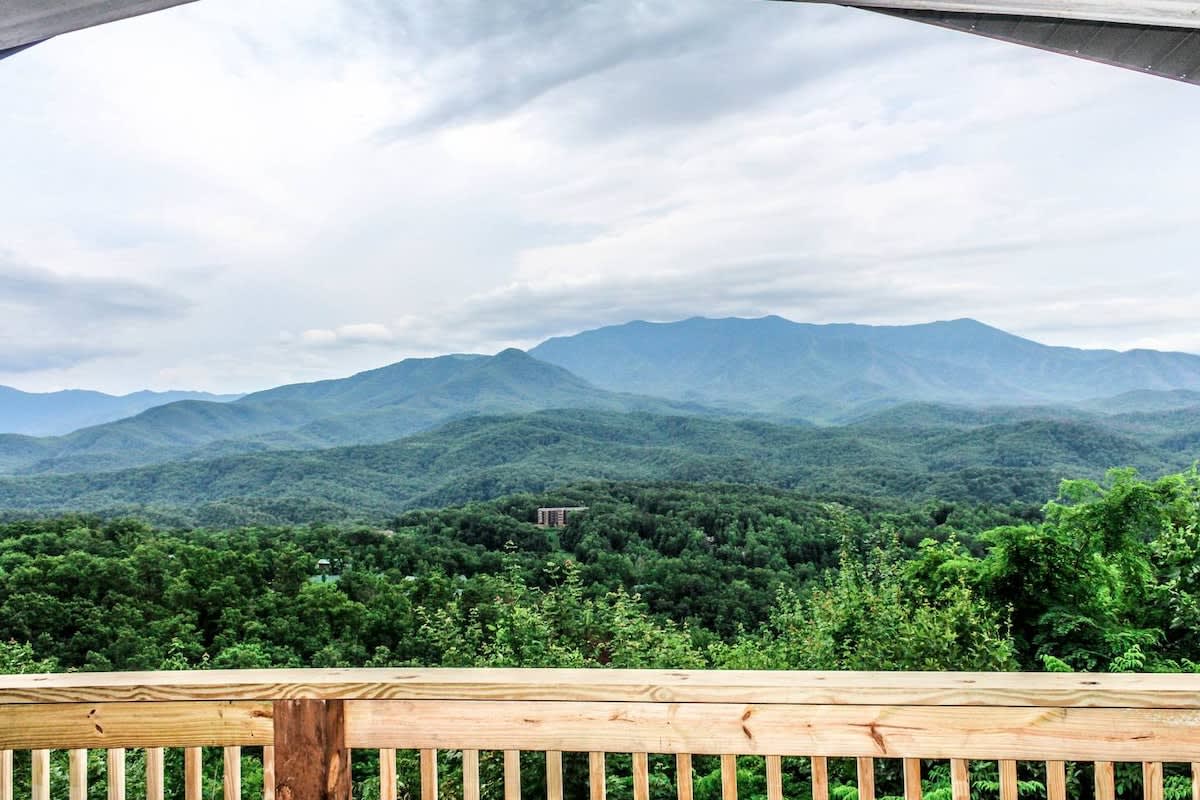
The mountains surrounding Asheville are the Appalachian Blue Ridge and the Southern Highlands — older, rounded, and forested rather than the raw granite of the Rockies. Elevation within 30 miles of Asheville ranges from about 2,000 feet in the river valleys to 6,684 feet at Mount Mitchell (the highest peak east of the Mississippi). Black Mountain (5,676 feet) is visible from properties south and east of the city. The Raven Rock Mountain properties in Fletcher sit on the Eastern Continental Divide — the ridge that separates water draining to the Gulf of Mexico from water draining to the Atlantic.
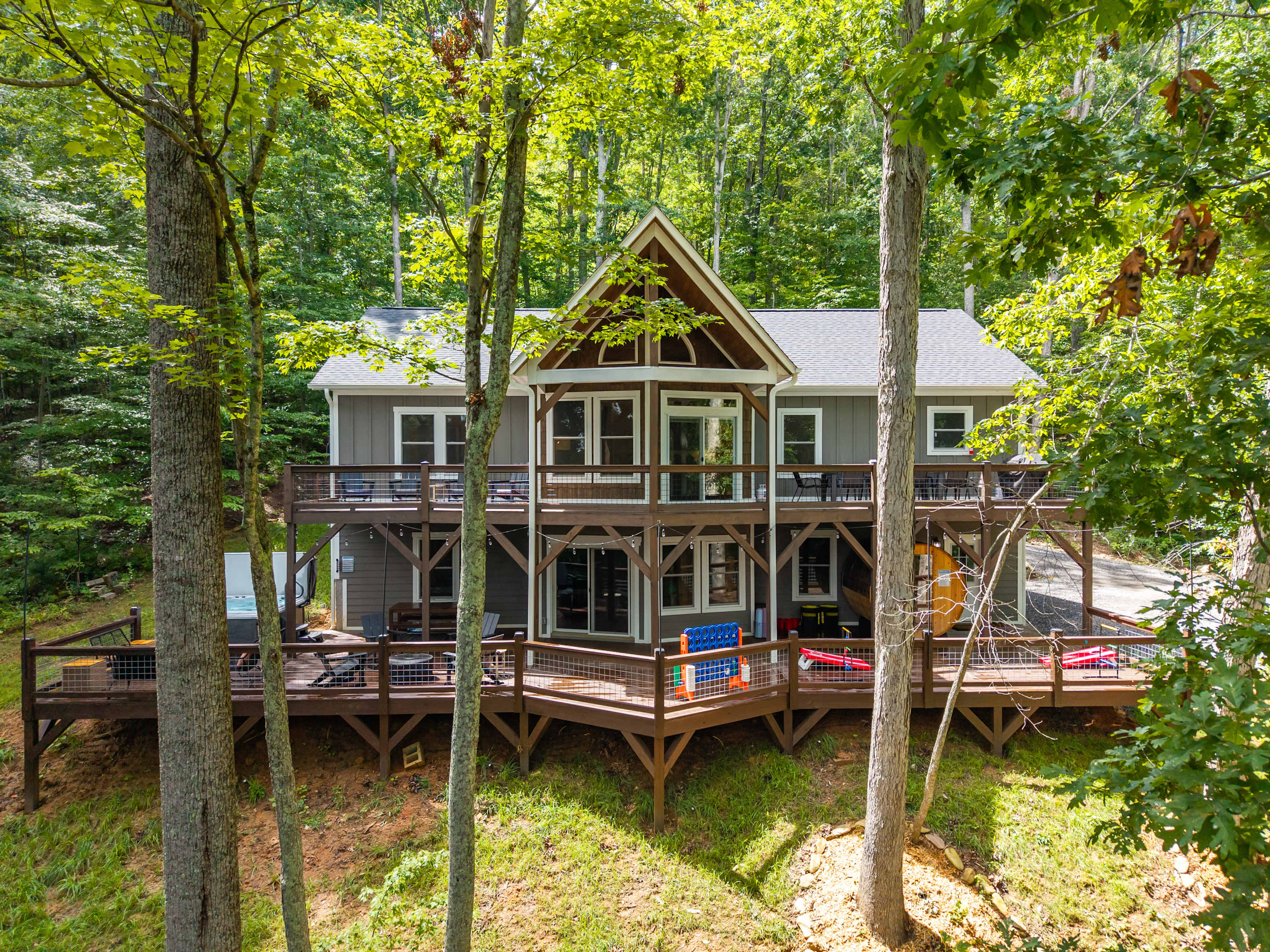
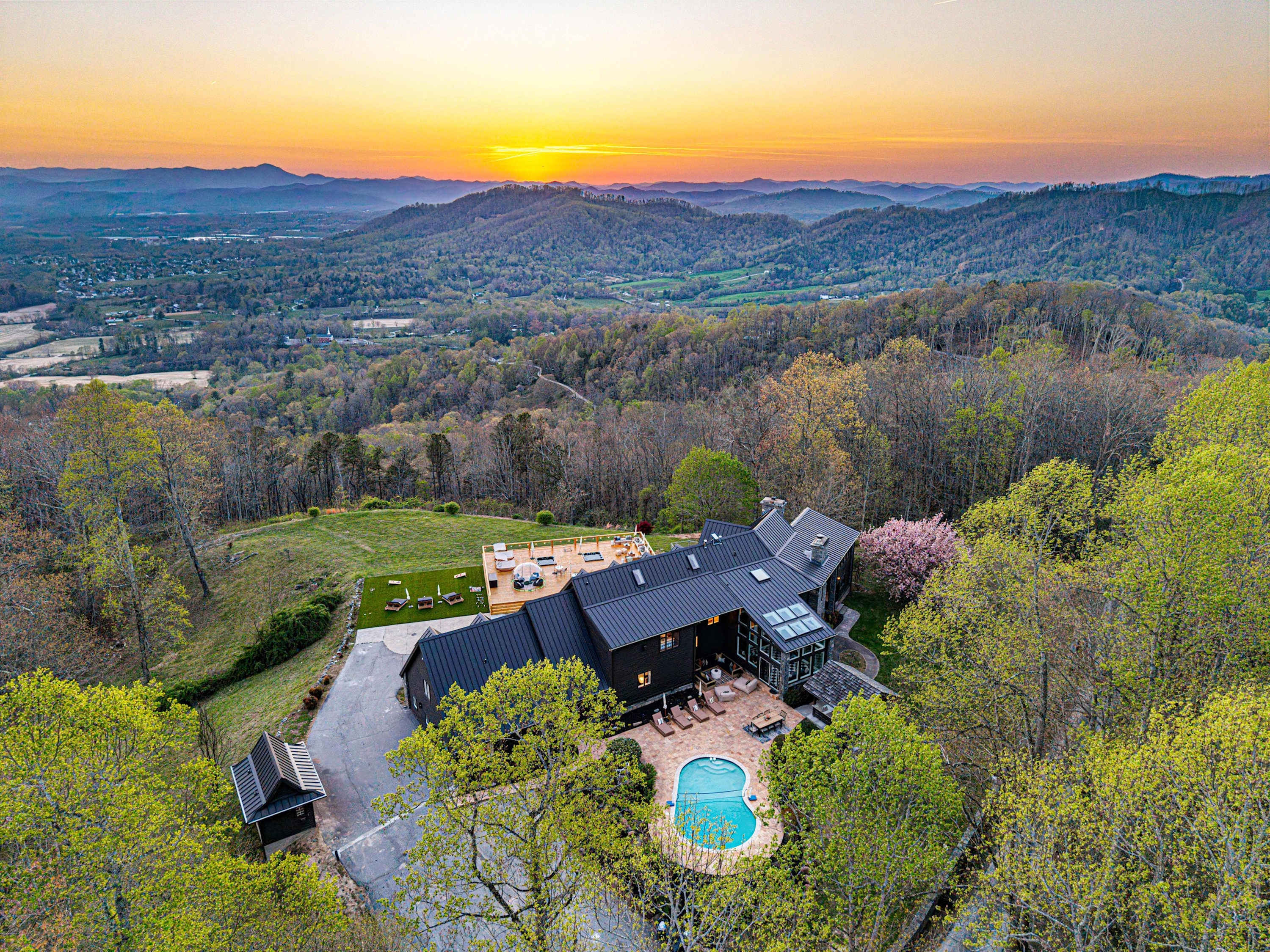
The most common amenity pattern in Asheville vacation rentals — hot tub, outdoor sauna, game room, fire pit, multi-deck mountain views — reflects the way people actually use these properties: a base for outdoor activity during the day and a warm retreat in the evening, with the mountains visible at distance and the sound of a creek somewhere in the trees.
The Botanical Gardens and Beaver Lake
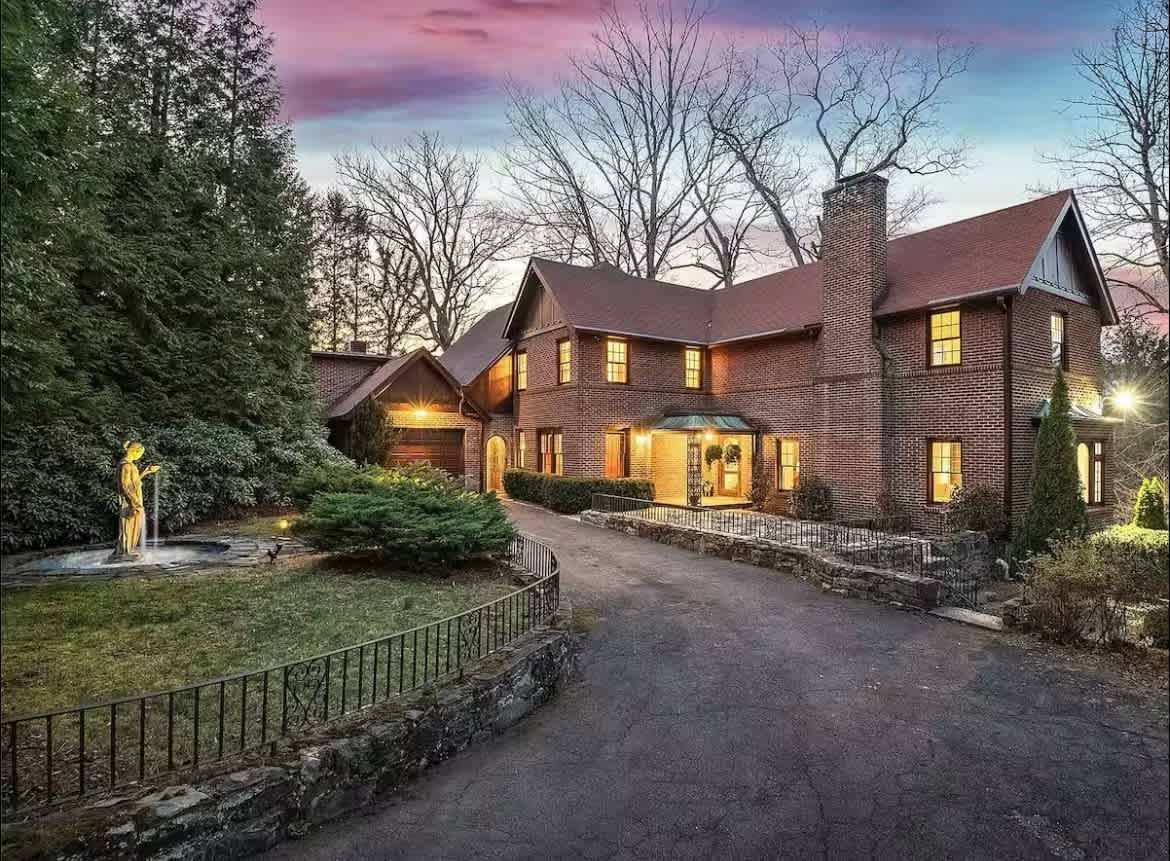
The Asheville Botanical Gardens (established 1960) is a 10-acre preserve of Southern Appalachian plants on the UNC Asheville campus — native wildflowers, ferns, and hardwoods maintained without pesticides or herbicides. Adjacent to the garden, Beaver Lake in the historic Lakeview Estates neighborhood (north of downtown) has a bird sanctuary and 2-mile walking path around the shoreline. The neighborhood contains some of Asheville's most architecturally significant residential stock, including 1930s Tudor and Colonial Revival homes with mountain and lake views.
Find your base in Asheville, NC — browse stays indexed by CielStay.
Search stays on CielStay →Frequently asked questions
What is the Biltmore Estate in Asheville?
The Biltmore Estate was built between 1889 and 1895 for George Washington Vanderbilt II — a 175,000-square-foot French Renaissance château with 35 bedrooms, 43 bathrooms, and 65 fireplaces, set on 8,000 acres of grounds designed by Frederick Law Olmsted. It is the largest private home ever built in the United States and is still owned by the Vanderbilt family. The estate is open to the public and includes the house, formal gardens, a winery, hotel, and 8,000 acres of managed forest. Advance tickets are required; same-day availability is limited on peak weekends.
When is the best time to see fall foliage near Asheville?
Peak fall color near Asheville typically arrives mid-October at higher elevations (4,000–6,000 feet along the Blue Ridge Parkway) and moves down to the city and valley floors by late October. The mix of maple, oak, sourwood, and hickory produces exceptionally varied color. The Parkway overlooks above Asheville (Craggy Gardens, Black Mountain Gap) are the best high-elevation viewpoints; the Biltmore grounds have estate-scale color by late October.
How far is Asheville from Charlotte?
Asheville is about 130 miles west of Charlotte — roughly 2 hours on I-26. Charlotte Douglas International Airport (CLT) is the primary fly-in gateway for Asheville, with significantly more direct flights than the Asheville Regional Airport (AVL). The drive on I-26 through the Saluda Grade (a sustained 3% climb into the Blue Ridge) takes about 90 minutes in normal traffic; Friday afternoon and Sunday evening traffic from Charlotte can add 30–45 minutes.
What is the Blue Ridge Parkway?
The Blue Ridge Parkway runs 469 miles from Shenandoah National Park in Virginia to Great Smoky Mountains National Park in North Carolina — the most-visited unit in the National Park System. The parkway was designed as a scenic motor road with no commercial vehicles, no billboards, and a 45 mph speed limit. The Asheville section (roughly Milepost 382–422) includes Craggy Gardens at 5,900 feet and the Folk Art Center. No fee is charged to drive the Parkway; some facilities have entrance fees.
Stays near this guide
Top-rated independent stays in the region, ranked by CielStay authenticity score.
Try a search
Searches inspired by this guide — describe the vibe you want.
More guides


Nearby landmarks & attractions
Key destinations and attractions in the Asheville, NC area.
Biltmore Estate ↗ Maps
America's largest private home — the Vanderbilt family's 8,000-acre mountain retreat with 250 rooms and a working winery.
Blue Ridge Parkway ↗ Maps
The most visited unit of the National Park System — 469 miles of scenic ridgeline road with Asheville at its heart.
River Arts District ↗ Maps
Converted industrial studios along the French Broad River — over 200 working artists and Asheville's most dynamic neighborhood.
This guide was assembled from the local knowledge of hosts with properties throughout Asheville, NC, as indexed by CielStay. The descriptions of restaurants, trails, swimming holes, and local tips reflect what hosts share with guests in their listings — not the observations of a travel journalist or guest reviewer. Photos are sourced from host listing images and are credited to their respective listings. Information about permits and trail conditions may change; always verify with official sources before your trip.