
North Myrtle Beach, SC at a glance
- Formed
- 1968, from Cherry Grove, Ocean Drive, Crescent Beach and Windy Hill
- Population
- 18,790 (2020 census)
- County
- Horry County, SC
- State dance
- The shag, centred on Ocean Drive's Main Street
- Paid parking (2026)
- March 1 – October 31; see nmb.us
A City Made of Four Beaches
North Myrtle Beach is not a suburb of Myrtle Beach. It's a separate city, formed in 1968 when four beach towns merged: Cherry Grove, Ocean Drive, Crescent Beach and Windy Hill. The names are still in daily use, and each section has its own feel. About 18,800 people live here year-round (2020 census). Briarcliffe Acres borders it to the south, Little River to the north, and the Myrtle Beach Boardwalk is roughly 15 miles down the coast.
History reset the beachfront once. Hurricane Hazel came ashore in the Ocean Drive section in October 1954. Horry County Museum records count about 450 buildings destroyed at Ocean Drive and 300 at Cherry Grove, where two rows of beachfront houses were wiped out. Much of today's beachfront went up after that.
Cherry Grove: Marsh Channels and the Pier
Cherry Grove, the northern end, is a spit with ocean on one side and the Cherry Grove marsh and its tidal channels on the other. The "channel homes" here back onto the water, and hosts describe coffee on the front porch and sunsets over the water from the back, a short walk from the beach.
The Cherry Grove Pier dates from the 1950s and reaches about 985 feet into the Atlantic. Hurricane Ian broke it in two in 2022, and after a long rebuild it reopened in 2024 for walking and fishing.
On the marsh side, [Heritage Shores Nature Preserve](https://nmb.us/491/Heritage-Shores-Nature-Preserve) is a free 7-acre island park with elevated boardwalks, observation docks and signs naming the birds and marsh life. Herons, egrets and ospreys are regular sightings. Park at the western end of 53rd Avenue North, about a four-block walk from the entrance.
Ocean Drive and the Shag
Ocean Drive, around Main Street, is the home of the shag, the swing dance that took off on these beaches in the 1940s and is now South Carolina's official state dance. Main Street's beach clubs still hold lessons and dance nights. Fat Harold's Beach Club is the best known, and the Shaggers Hall of Fame is at the Ocean Drive Beach & Golf Resort.
Twice a year the Society of Stranders (SOS) fills the area with dancers: the Spring Safari in late April to early May, and the Fall Migration, about ten days from mid-September. Book early if your dates overlap, or pick other dates if you'd rather not join in. Explore North Myrtle Beach has a guide to the shag with clubs and event dates.
Crescent Beach and Windy Hill
South of Ocean Drive, Crescent Beach and Windy Hill are the quietest, most residential stretch. Expect beach houses on side streets, many of them newer builds with private pools, and low- and mid-rise oceanfront condos. This is where large groups find room: homes sleeping a dozen or more, with heated pools and space to spread out, a few blocks from the sand.
Barefoot Landing
[Barefoot Landing](https://www.bflanding.com/), on US-17 beside the Intracoastal Waterway, is the area's shopping, dining and entertainment centre. Its boardwalks and bridges link waterfront shops and restaurants. The Alabama Theatre puts on variety shows and concerts, there's a House of Blues, and Alligator Adventure is next door. Show schedules change by season, so check before you plan an evening around one.
Little River
Little River, on the Intracoastal Waterway at the top of the Grand Strand, is one of the earliest settlements in Horry County and still a fishing town. Charter boats run deep-sea and inshore trips from its waterfront, and the Blue Crab Festival fills its streets every May (it began in 1981). Homes here tend to be condos in waterway communities, a few minutes' drive from the beach and handy for golfers and anglers.
Practical Notes
Parking: As of October 2026, North Myrtle Beach's paid-parking season runs from March 1 to October 31. Enforcement is by license-plate recognition, and the plate serves as your permit. Rates, hours and zones are on the city's site, nmb.us. Ask your host whether parking at the home is included.
The beach: The surf here is usually gentler than further north on the Atlantic coast, but rip currents happen. Swim near a lifeguard stand and heed the flags.
Getting here: Myrtle Beach International Airport (MYR) is the nearest airport. Wilmington, North Carolina, is about 60 miles northeast. US-17 is the main road, and Ocean Boulevard runs along the beach.
When to go: May and September–October bring warm water and fewer crowds, though SOS weeks and the Blue Crab Festival weekend fill up. Summer is peak season. Hurricane season runs June through November, and Hurricane Ian in 2022 is a reminder to check your cancellation policy.
For Myrtle Beach proper, Surfside Beach, Garden City, Murrells Inlet and Pawleys Island, see the [Myrtle Beach & Grand Strand guide](/guides/myrtle-beach-south-carolina).
Find your base in North Myrtle Beach, SC — browse stays indexed by CielStay.
Search stays on CielStay →Frequently asked questions
Is North Myrtle Beach part of Myrtle Beach?
No. North Myrtle Beach is a separate city, formed in 1968 when Cherry Grove, Ocean Drive, Crescent Beach and Windy Hill merged. It had 18,790 residents in the 2020 census. It sits at the northern end of the Grand Strand, roughly 15 miles up the coast from the Myrtle Beach Boardwalk, between Briarcliffe Acres and Little River.
What is the shag, and where can I see it in North Myrtle Beach?
The shag is a Carolina swing dance that took off on these beaches in the 1940s and is South Carolina's official state dance. Its home is Main Street in the Ocean Drive section, where beach clubs such as Fat Harold's hold lessons and dance nights. The Society of Stranders holds its Spring Safari (late April to early May) and Fall Migration (about ten days from mid-September) here, when thousands of dancers fill the area.
Is parking free in North Myrtle Beach?
Not in season. As of October 2026, the city's paid-parking season runs from March 1 to October 31, enforced by license-plate recognition. Rates, hours and covered areas are posted on the city's website, nmb.us. Many rentals include parking at the home, so ask your host.
What is Cherry Grove known for?
Cherry Grove is the northern section of North Myrtle Beach, a spit between the ocean and the Cherry Grove marsh. It is known for its channel homes that back onto the marsh, the Cherry Grove Pier (about 985 feet, reopened in 2024 after Hurricane Ian broke it in 2022), and Heritage Shores Nature Preserve, a free 7-acre island park with boardwalks into the marsh.
Is Little River worth staying in?
Yes, if you'd rather be on the water than on the oceanfront. Little River is a fishing town on the Intracoastal Waterway at the top of the Grand Strand and one of the earliest settlements in Horry County. It has charter fishing boats and the Blue Crab Festival every May. Rentals are mostly condos in waterway communities a few minutes' drive from the North Myrtle Beach beaches.
Stays near this guide
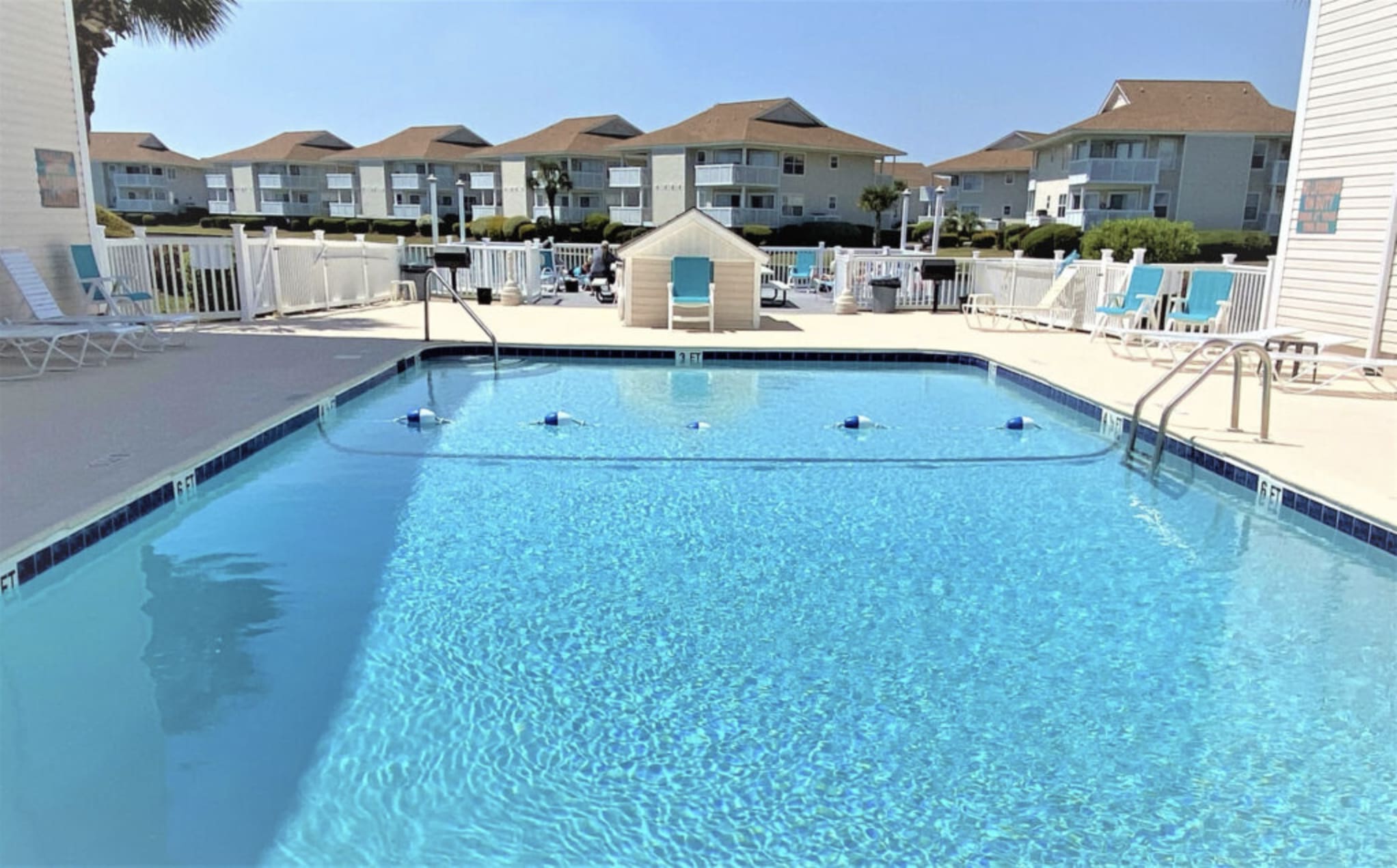
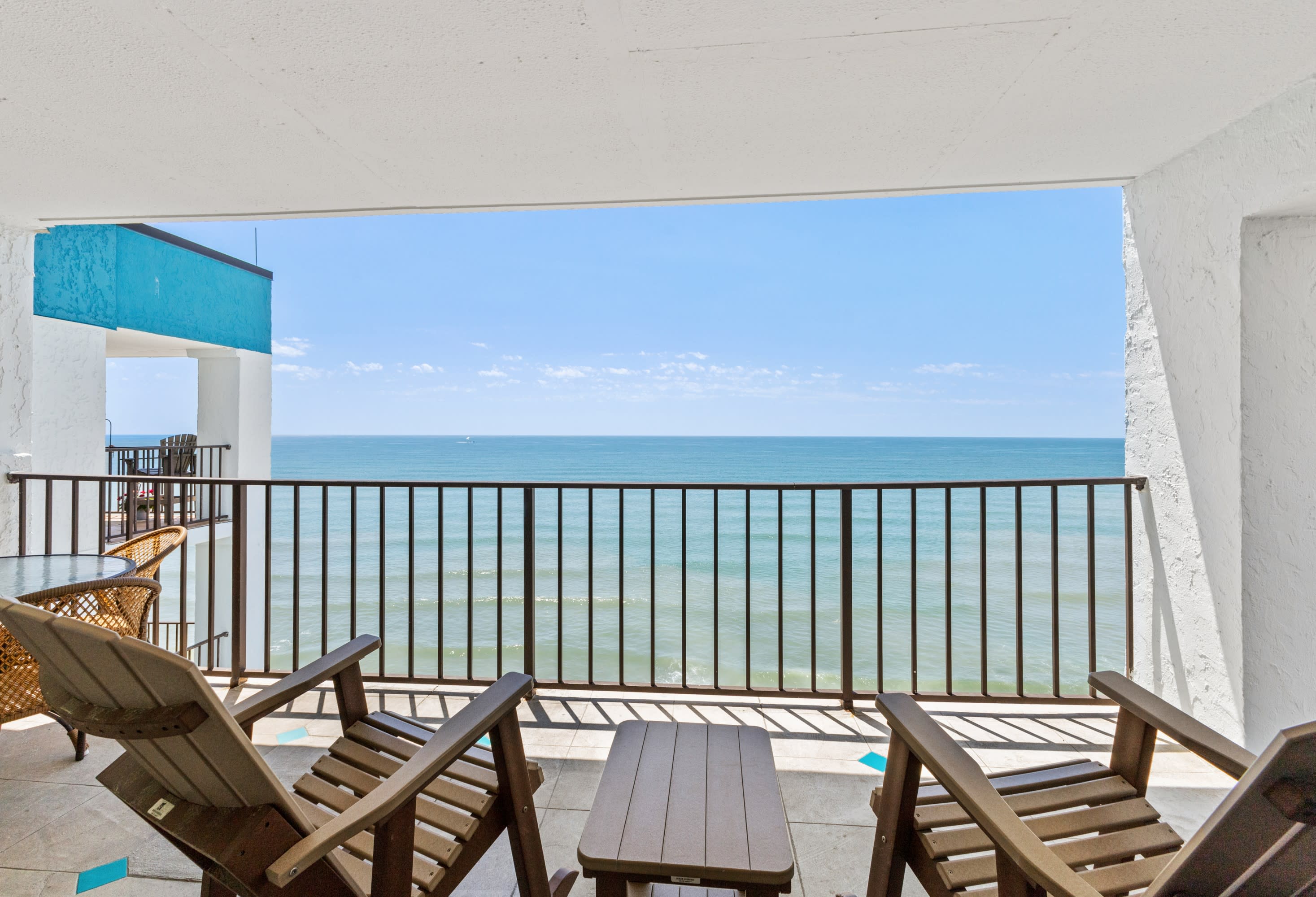
177 homes within 8 km on CielStay · 175 bookable on the host's own site. These are a few of them, chosen for this guide.






Try a search
Searches inspired by this guide — describe the vibe you want.
More guides


Nearby landmarks & attractions
Key destinations and attractions in the North Myrtle Beach, SC area.
Cherry Grove Pier ↗ Maps
A fishing pier from the 1950s, about 985 feet long, at 3500 North Ocean Boulevard. Reopened in 2024 after Hurricane Ian broke it in 2022.
Heritage Shores Nature Preserve ↗ Maps
A free 7-acre island park in the Cherry Grove marsh, with elevated boardwalks, observation docks and bird and marsh-life signs.
Barefoot Landing ↗ Maps
Shops, restaurants and entertainment on the Intracoastal Waterway, including the Alabama Theatre and House of Blues, with Alligator Adventure next door.
This guide was assembled from the local knowledge of hosts with properties throughout North Myrtle Beach, SC, as indexed by CielStay. The descriptions of restaurants, trails, swimming holes, and local tips reflect what hosts share with guests in their listings — not the observations of a travel journalist or guest reviewer. Photos are sourced from host listing images and are credited to their respective listings. Information about permits and trail conditions may change; always verify with official sources before your trip.