
The Grand Strand
The Grand Strand is the name given to the 60-mile arc of Atlantic coastline that curves south from Little River at the North Carolina border to Pawleys Island near Georgetown. It is one of the longest continuous beach stretches on the East Coast, and within it sit half a dozen distinct communities that draw different kinds of travelers.
Myrtle Beach is the commercial center — the boardwalk, the high-rise resorts, the amusement parks, the golf courses that have made this one of the most played-golf regions in the country. North Myrtle Beach is quieter than the name suggests: a string of beach communities including Cherry Grove, Crescent Beach, Ocean Drive, and Windy Hill that were once separate towns and retain a more residential feel. Surfside Beach bills itself as the "Family Beach" — a town-managed stretch south of Myrtle Beach with a pedestrian walkover system, a jetty park, a splash pad, and a dead-end street network that keeps through traffic off the sand-adjacent blocks. Garden City and Murrells Inlet anchor the southern end of the Strand; Murrells Inlet is known for the Marshwalk, a stretch of waterfront seafood restaurants along the tidal creek. Further south, Pawleys Island and Litchfield Beach offer a more low-key, historic atmosphere.
Surfside Beach: The Neighborhood Feel
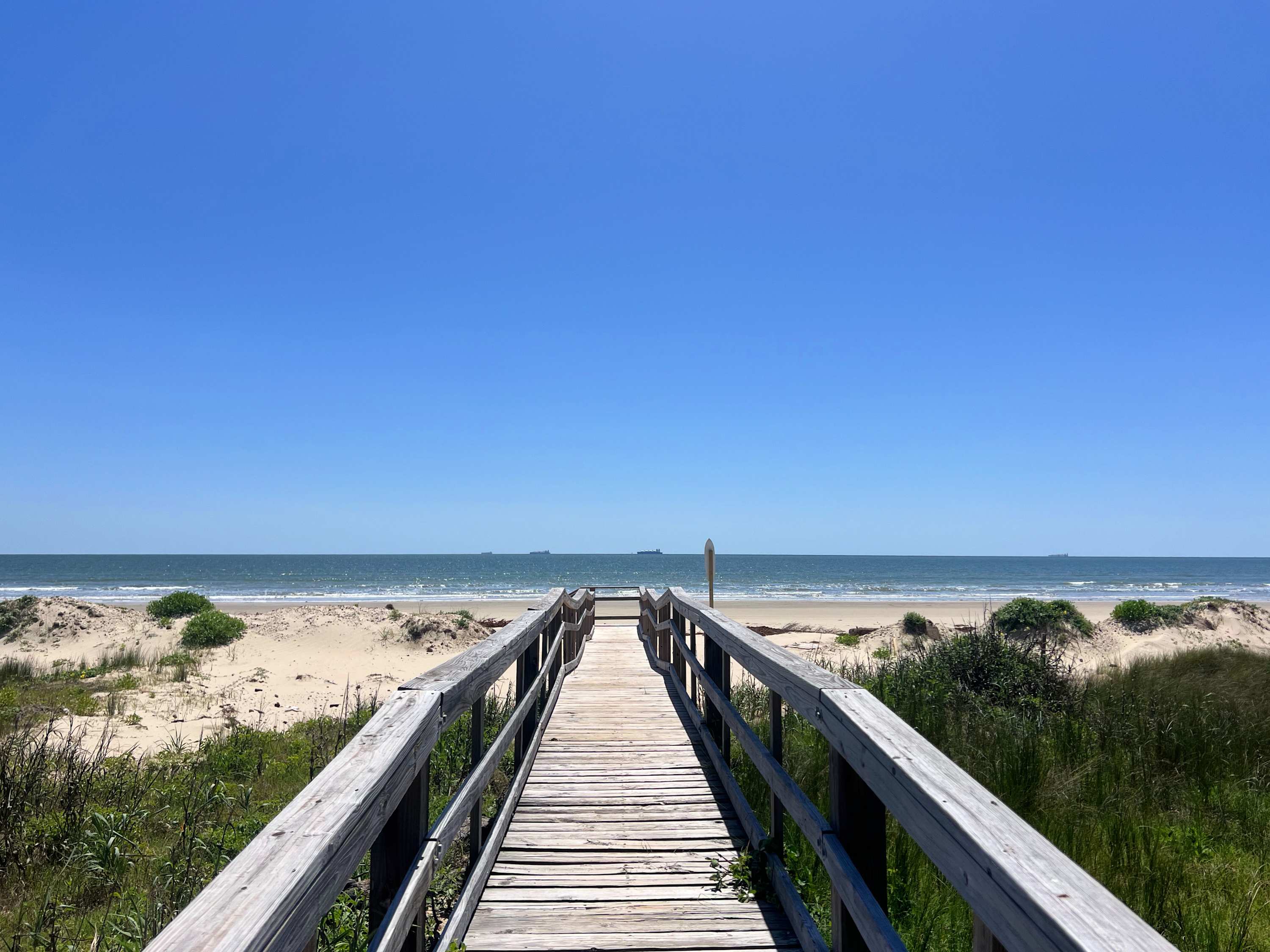
Surfside Beach has developed a loyal following among repeat visitors who find Myrtle Beach's main strip too busy. The town's street grid places several residential blocks between the main road and the ocean, and a network of public walkovers and the Surfside Pier give access to the beach without requiring a car. Hosts in Surfside describe the experience: "the street is a dead-end which is perfect because there is no traffic — the beach walkover is at the end of the road and will take you directly to the sand and surf."
The Surfside Beach Village is centered around the pier and offers the Splash Pad and Jetty Park within walking distance. Hosts note that from the heart of the village, "you will find everything within a 5 minute walk or a 3 minute golf cart ride." The pedestrian beach — a designated stretch where no vehicles are permitted — has long been the defining feature of Surfside's identity.
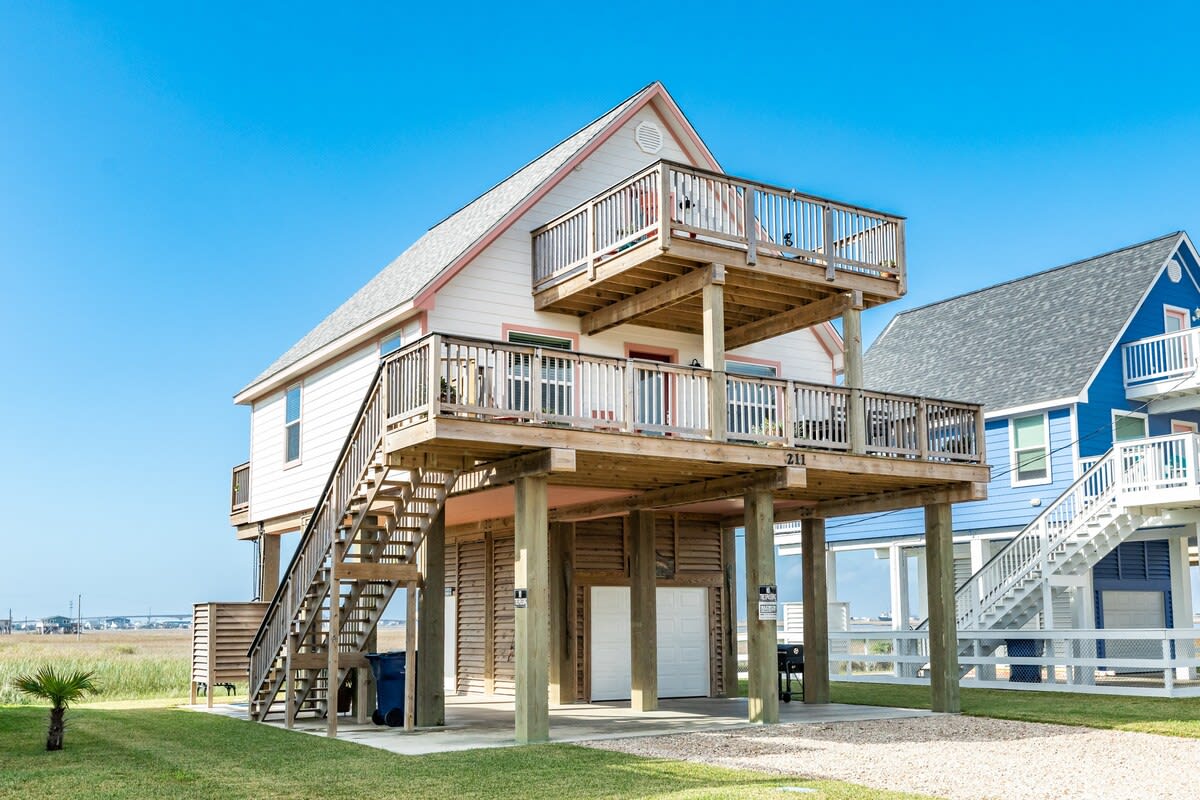
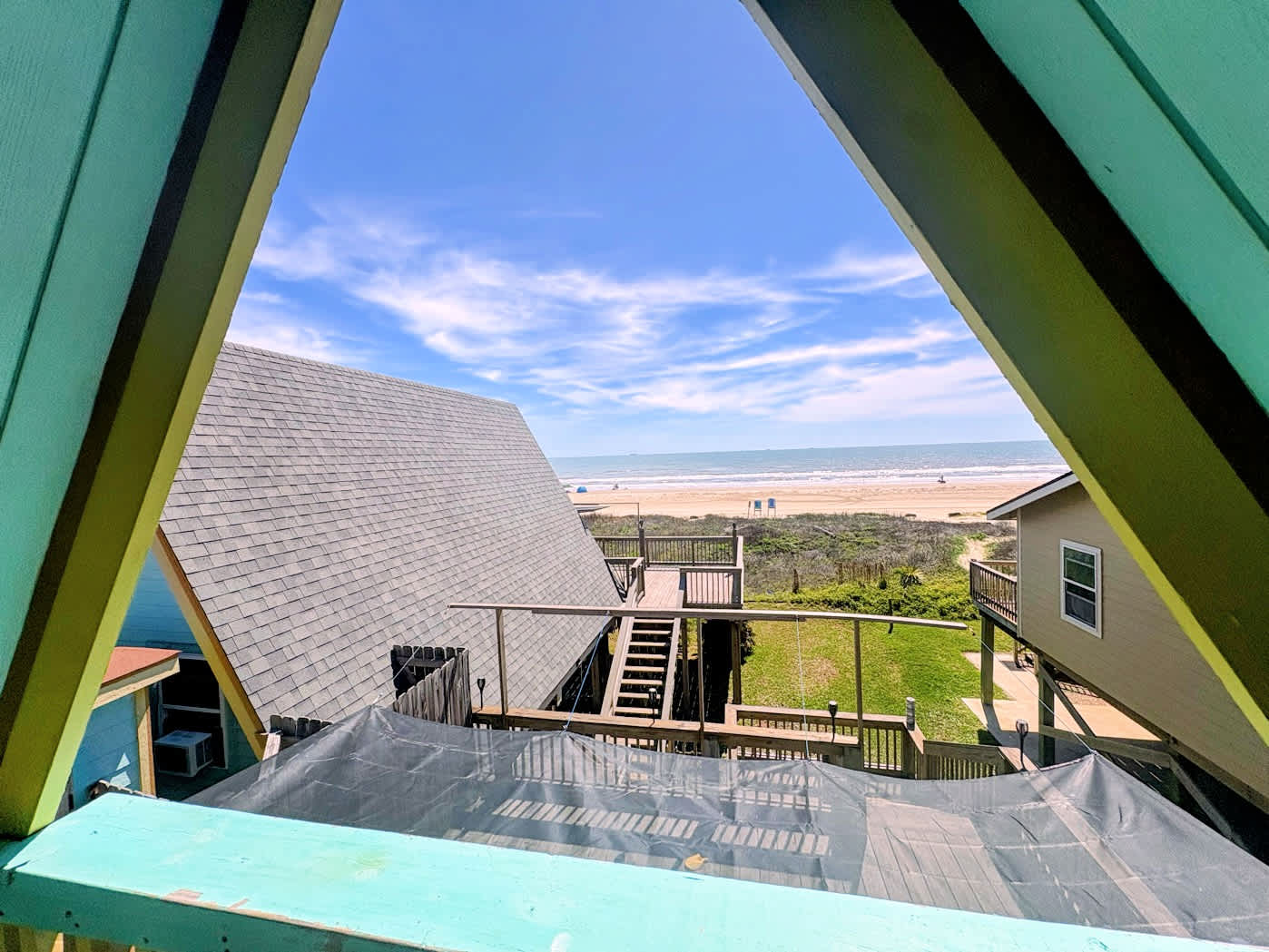
The A-frame style home has become something of a signature architectural form in Surfside, with hosts playing on the elevated coastal vibe: crow's nests above the roofline for sunset watching, wraparound decks for saltwater breezes, vaulted interiors that open to the sky. Several hosts describe their A-frames as positioned to take in wide-open views of the Intracoastal Waterway from the back decks, while the front faces the Atlantic.
North Myrtle Beach: Oceanfront and Laid-Back
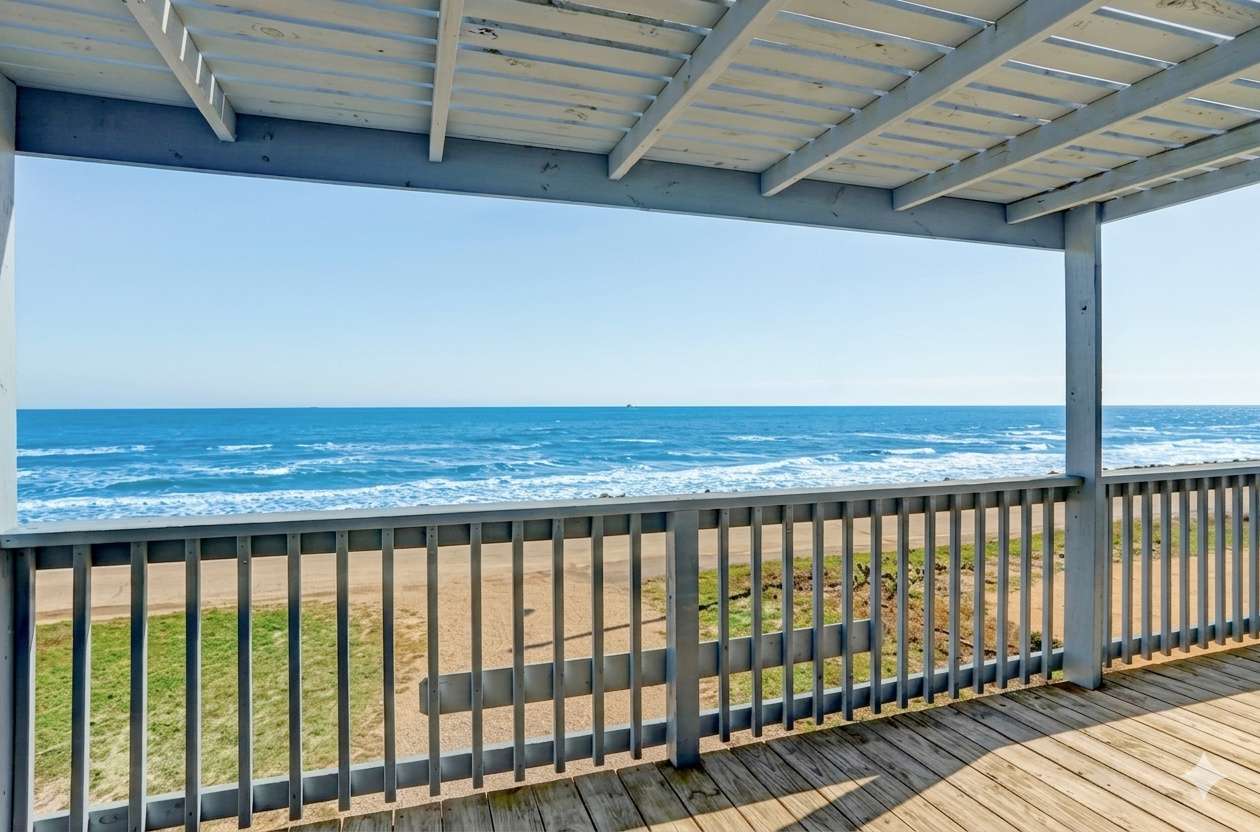
North Myrtle Beach stretches along the northern end of the Strand and is predominantly residential in character. Hosts here offer direct oceanfront access — triplexes and multi-level homes where private decks hang over the water, pools face the Atlantic, and the morning view from the third floor is nothing but ocean.
The appeal for groups is real: hosts describe properties purpose-built for families and reunions, with shared amenity pools, grill zones, direct beach access, and enough room to spread out. The area's proximity to Barefoot Landing and the North Myrtle Beach parks system adds options beyond the sand.
Myrtle Beach Proper: Resorts and the Boardwalk
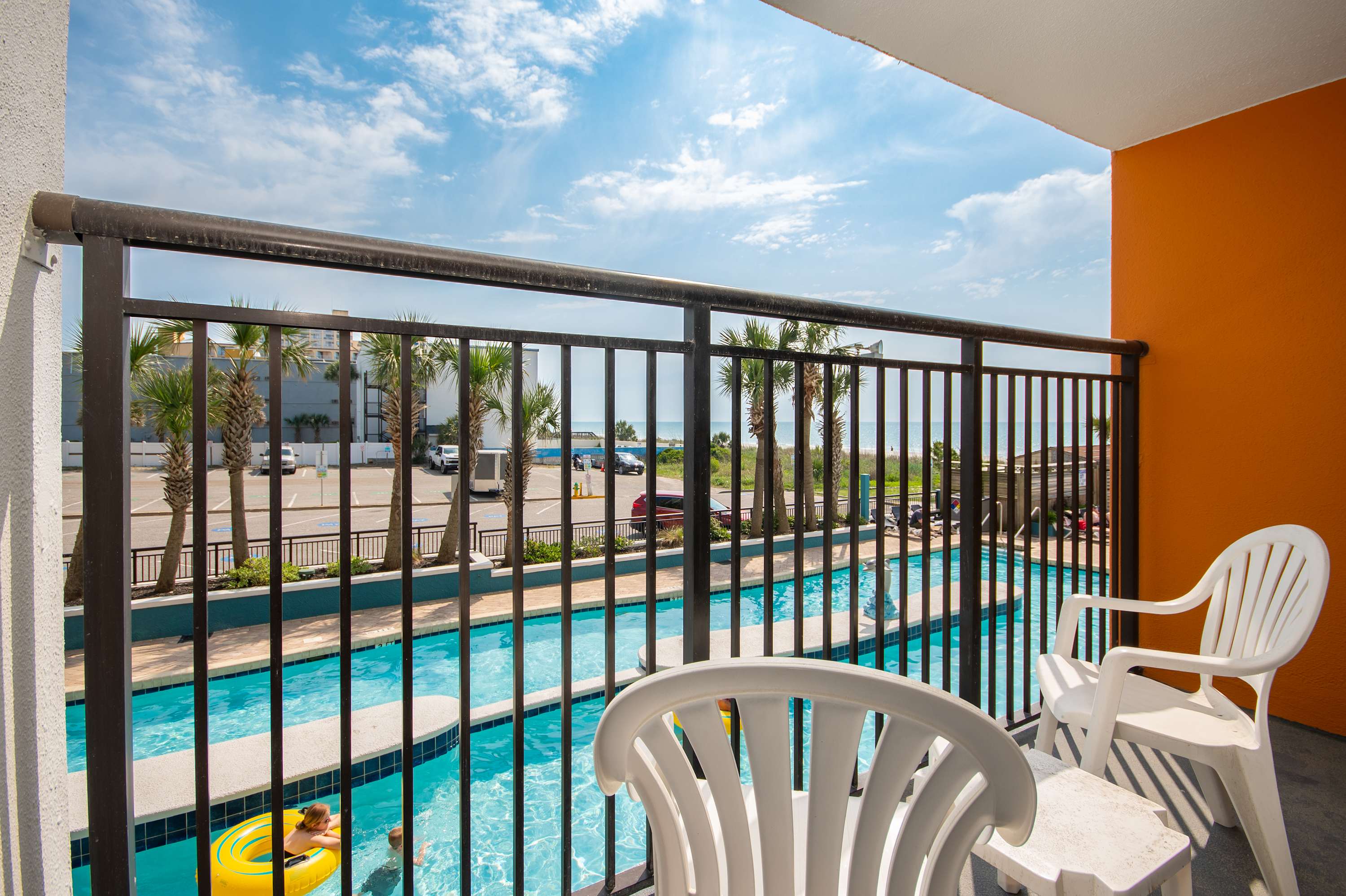
The city of Myrtle Beach has what the smaller towns don't: scale. Ocean-view studio condos in full-resort buildings with multiple pools, lazy rivers, and direct boardwalk access put travelers within walking distance of the main strip's concentrated activity. Hosts in ocean-view buildings describe the balance — "whether you're relaxing poolside or exploring the Grand Strand" — and the studio-to-large-condo range means solo travelers, couples, and families all find a footprint that fits.
The Myrtle Beach Boardwalk is a 1.2-mile promenade along Ocean Boulevard between 14th Avenue North and 2nd Avenue North, anchored by the SkyWheel observation wheel at its center. The Boardwalk connects to the Family Kingdom Amusement Park at the south end and to the Pier 14 fishing pier. It is the most walkable stretch of Myrtle Beach proper.
Golf on the Grand Strand
The Grand Strand has more golf courses per capita than almost anywhere in the country. The region has been a golf destination since the 1950s, and the concentration of public-access courses — from classic layouts to modern resort tracks — has made it a regular destination for golf groups. Hosts in the area note proximity to courses throughout the Strand; the golf infrastructure here is built at scale, with multiple courses within a short drive of most coastal communities.
For official course listings and tee time resources, Visit Myrtle Beach maintains the most complete directory.
Murrells Inlet and the Marshwalk
Murrells Inlet sits at the southern end of the active Strand and has the best seafood-on-the-water concentration in the region. The Marshwalk is a boardwalk running along the tidal creek through the heart of the inlet, lined with waterfront restaurants and offering views of the salt marsh and the creek. The inlet has been a commercial fishing hub for generations, and the fresh catch — shrimp, flounder, grouper, oysters — is the draw.
Just south, [Huntington Beach State Park](https://southcarolinaparks.com/huntington-beach) is widely considered one of the best undeveloped beaches on the East Coast. Three miles of undisturbed Atlantic shoreline, a tidal estuary, and the historic Atalaya Castle — the winter home of philanthropist Archer Milton Huntington and sculptor Anna Hyatt Huntington, built in the 1930s in a Moorish Revival style — sit within the park. It is the best natural beach in the entire Grand Strand.
Pawleys Island
Pawleys Island is a four-mile barrier island separated from the mainland by a salt marsh creek. It bills itself as "arrogantly shabby" — the old beach cottages, many on stilts, have been here for generations and the culture actively resists the resort development that has transformed the upper Strand. The island has no commercial development; the few rental cottages here are among the most sought-after on the entire coast.
Practical Notes
The Grand Strand runs roughly north-south with US-17 as the main inland artery and Ocean Boulevard / Kings Highway as the coastal road. Traffic on Ocean Boulevard in peak summer can slow significantly; locals use the inland roads. Most communities have free public beach access points with metered parking.
Water temperature peaks in July–August at approximately 82°F. The Atlantic here is gentle by East Coast standards — the wide, shallow shelf produces smaller breaking waves than the Outer Banks or New England, making it particularly suitable for families with young children.
The Myrtle Beach International Airport (MYR) serves the region with direct flights from dozens of cities. The Grand Strand is also within a long day's drive of roughly a third of the US population — a draw that has made it one of the most visited beach destinations in the country.
When to Visit
Late spring (mid-April through May) and early fall (September–October) are the sweet spots: water warm enough to swim, crowds lighter than peak summer, and prices lower. Memorial Day through Labor Day is peak season — beaches are crowded and prices are at their highest, but the full suite of activities (water parks, amusement parks, live entertainment, all restaurants open) are operating. Winter is off-season: most visitors are retirees and snowbirds; prices drop significantly and the beach is quieter, though some seasonal businesses close.
Hurricane season runs June through November. The Grand Strand has not taken a direct major-hurricane hit in decades but tracks storms actively; flexible booking policies are common for this reason.
Find your base in Myrtle Beach, SC — browse stays indexed by CielStay.
Search stays on CielStay →Frequently asked questions
When is the best time to visit Myrtle Beach?
Late spring (mid-April through May) and early fall (September through October) offer the best combination of warm water, lighter crowds, and lower prices. Peak summer (Memorial Day through Labor Day) is the busiest and most expensive period, but all activities and restaurants are fully operational. Water temperature peaks in July and August. Winter brings the quietest beaches and lowest prices, though some seasonal businesses close.
What is the Grand Strand?
The Grand Strand is the 60-mile arc of Atlantic coastline stretching from the North Carolina border south to Georgetown County, South Carolina. It encompasses several distinct communities including North Myrtle Beach, Myrtle Beach, Surfside Beach, Garden City, Murrells Inlet, and Pawleys Island. Myrtle Beach is the commercial and entertainment hub, while communities like Surfside Beach and Pawleys Island offer a quieter, more residential beach experience.
Is Myrtle Beach good for families?
Yes — Myrtle Beach and the surrounding Grand Strand communities are specifically built for family travel. Surfside Beach has a designated pedestrian beach, a splash pad, and a jetty park within walking distance of most rentals. The Atlantic waters along the Grand Strand are relatively calm with a wide shallow shelf, making them suitable for young swimmers. The region also has water parks, amusement parks, and a miniature golf culture that's been here for decades.
What is the best undeveloped beach near Myrtle Beach?
Huntington Beach State Park in Murrells Inlet, about 16 miles south of Myrtle Beach proper, is widely considered the best undeveloped beach on the Grand Strand. The park protects three miles of Atlantic coastline plus a tidal estuary and is home to Atalaya Castle, a 1930s Moorish Revival structure built by the Huntington family. It's a South Carolina state park; admission fees apply.
Stays near this guide
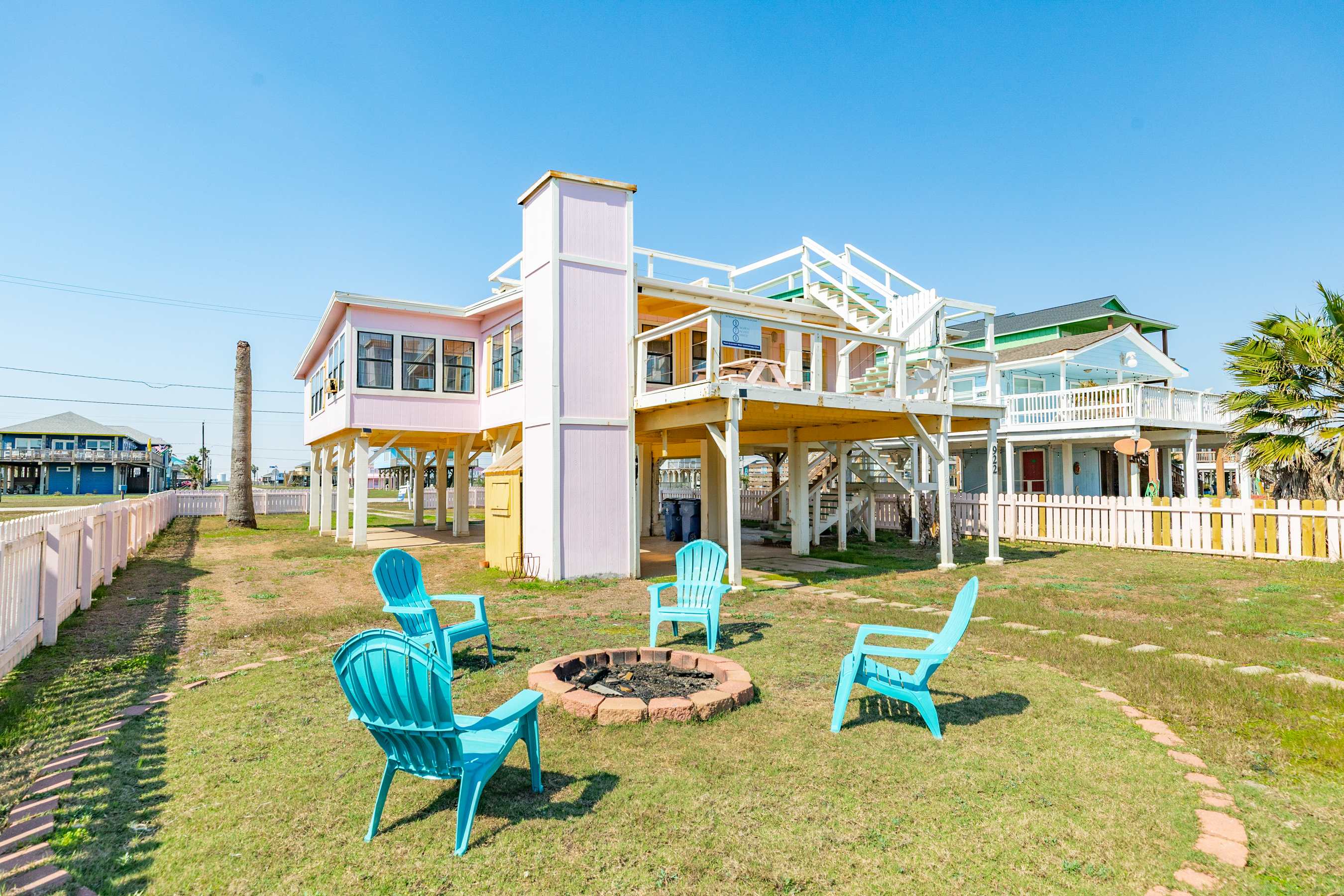
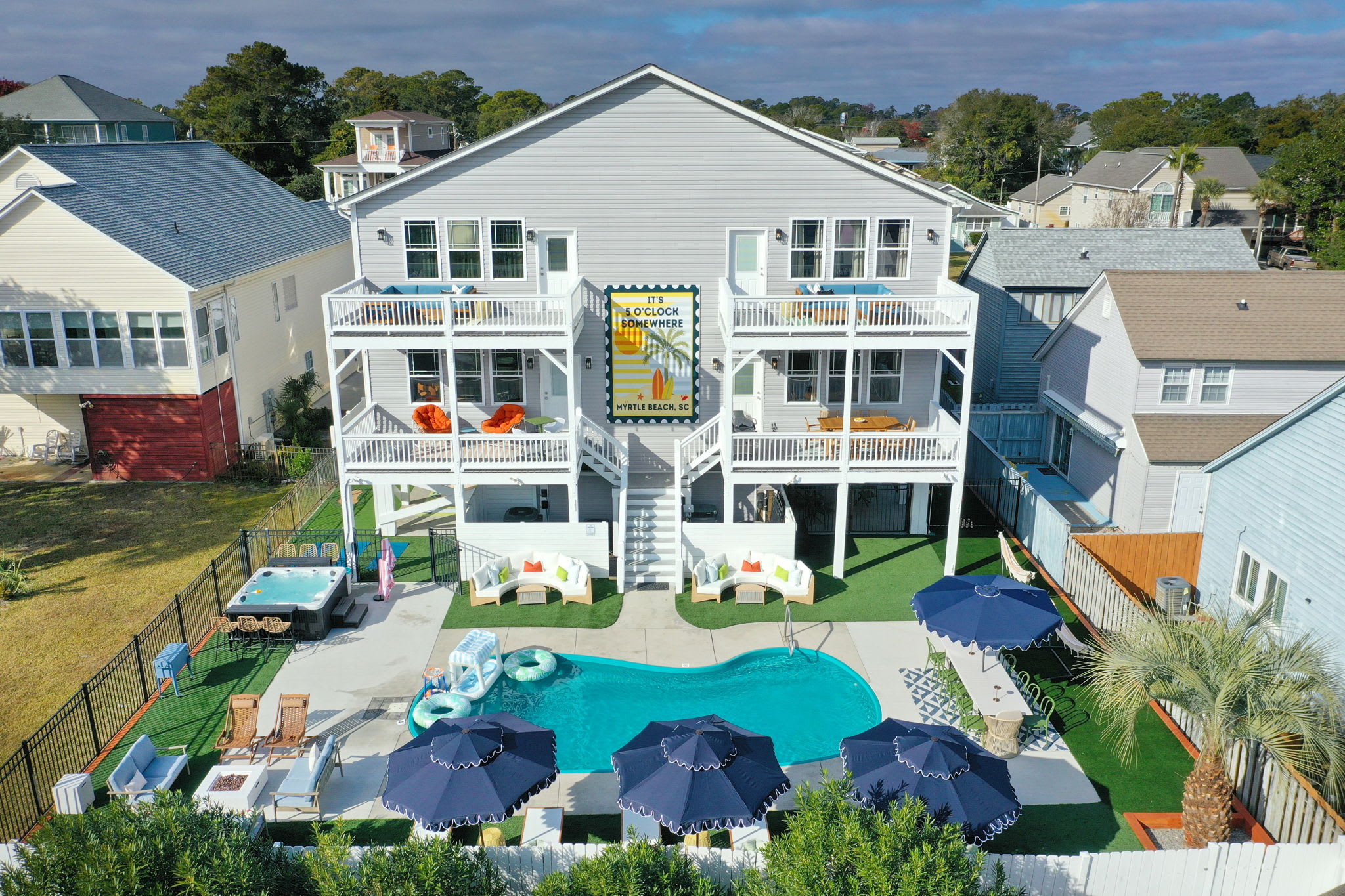
Top-rated independent stays in the region, ranked by CielStay authenticity score.
Try a search
Searches inspired by this guide — describe the vibe you want.
More guides

Nearby landmarks & attractions
Key destinations and attractions in the Myrtle Beach, SC area.
Myrtle Beach Boardwalk ↗ Maps
1.2 miles of oceanfront promenade — the SkyWheel observation wheel, amusement rides, and the classic American beach resort atmosphere.
Brookgreen Gardens ↗ Maps
America's first public sculpture garden — 9,000 acres of former rice plantation with the largest outdoor collection of American figurative sculpture.
Murrells Inlet ↗ Maps
The seafood capital of South Carolina — Marshwalk boardwalk with restaurants directly over the tidal creek, 15 minutes south of Myrtle Beach.
This guide was assembled from the local knowledge of hosts with properties throughout Myrtle Beach, SC, as indexed by CielStay. The descriptions of restaurants, trails, swimming holes, and local tips reflect what hosts share with guests in their listings — not the observations of a travel journalist or guest reviewer. Photos are sourced from host listing images and are credited to their respective listings. Information about permits and trail conditions may change; always verify with official sources before your trip.