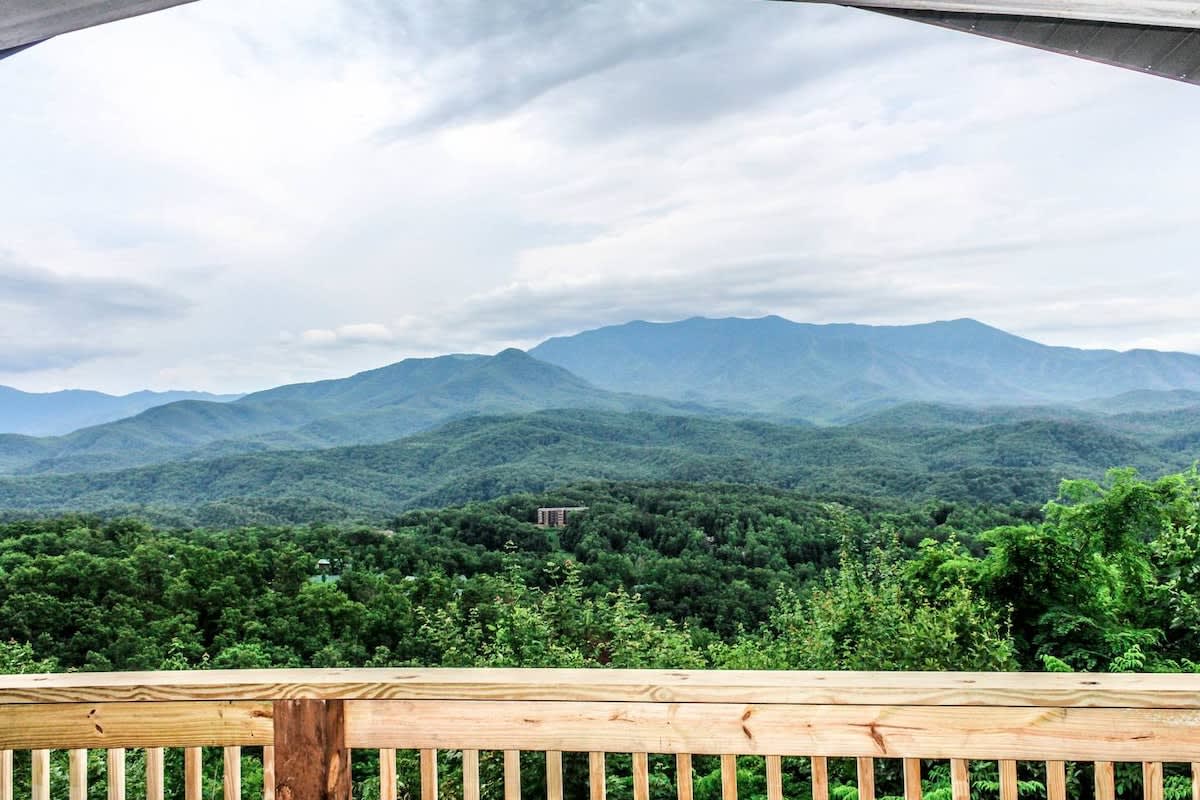
The Most Visited National Park in America
The Great Smoky Mountains have a pull that's hard to explain until you're standing in them. The park — 522,000 acres straddling the Tennessee/North Carolina border — is the most visited national park in the United States, drawing 12 million people a year. That's more than the Grand Canyon and Yellowstone combined. Part of it is accessibility: no entry fee, a gentle drive from most of the East Coast, a landscape that rewards both serious hikers and people who want to sit in a rocking chair and watch the ridgelines. Part of it is the mountains themselves: old, forested, genuinely wild in ways the western parks aren't. The Smokies are a UNESCO World Heritage Site and one of the most biologically diverse temperate forests on earth.
The town of Gatlinburg sits at the main park entrance — a mountain resort town of 3,700 permanent residents that swells to hundreds of thousands of visitors each season. It's touristy in all the expected ways and worth ignoring the tourist parts, because the park behind it is extraordinary.
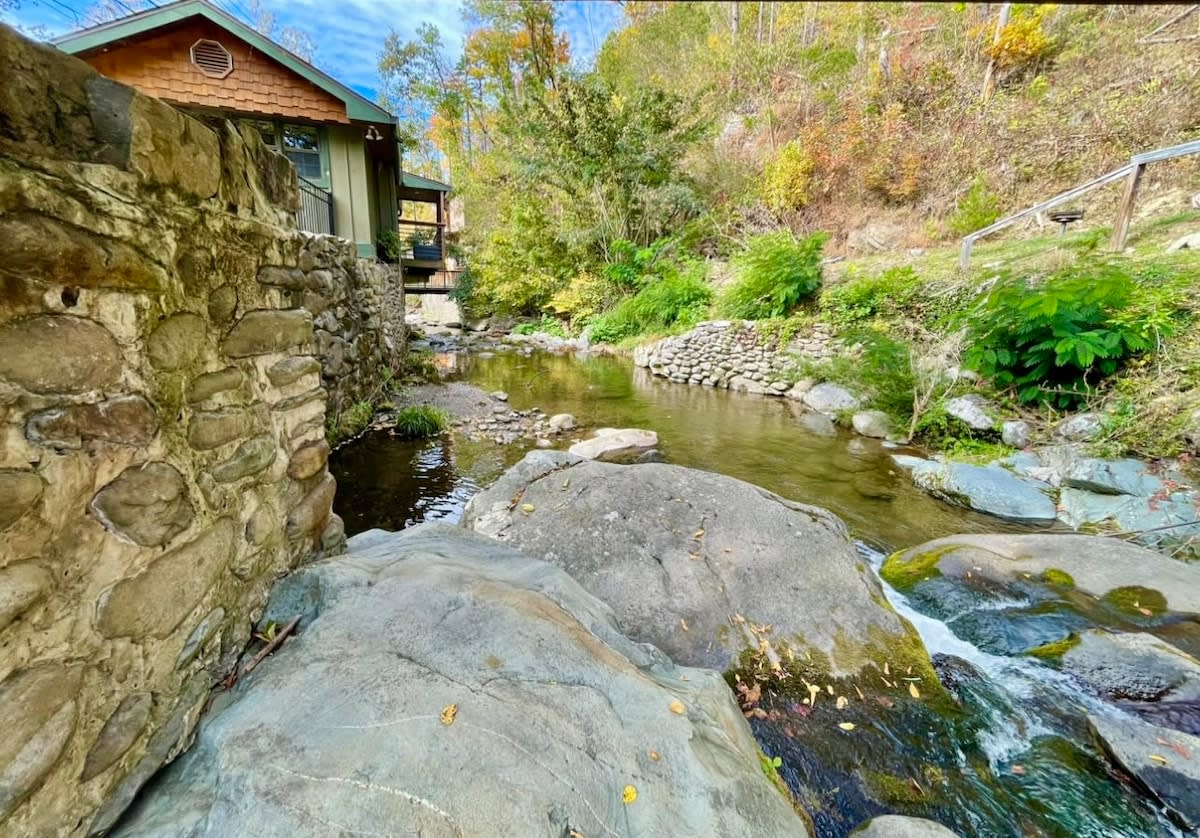
Great Smoky Mountains National Park
The park is free to enter — the only major national park in the country with no entry fee. The main entrance is at the end of Gatlinburg's main strip, where the road climbs immediately into old-growth forest. The signature drive is Newfound Gap Road (US-441), which crosses the spine of the Smokies at 5,046 feet — crossing into North Carolina at the top — with overlooks that deliver the layered blue ridgeline views the mountains are named for. The "smoke" is actually naturally occurring hydrocarbon vapor released by the trees.
Mt. LeConte is the crown of the Tennessee side: at 6,594 feet, it's one of the highest peaks in the eastern United States, and every cabin deck in Gatlinburg seems oriented toward it. The Alum Cave Trail to the summit is 11 miles round-trip with 2,800 feet of elevation gain — a serious day hike, among the best in the Appalachians. For something shorter: the Laurel Falls Trail (2.6 miles, paved) leads to the most visited waterfall in the park. Clingmans Dome, accessible by a spur road off Newfound Gap, is the highest point in the park at 6,643 feet — a half-mile paved walk from the parking lot to a observation tower with 360-degree views when clear.
The Roaring Fork Motor Nature Trail — a one-way 5.5-mile loop just minutes from downtown Gatlinburg — passes through some of the best remaining old-growth forest in the park, with preserved 19th-century homesteads, a working grist mill, and several roadside waterfalls. It's the one drive in the park that rewards slow rolling with the windows down.
For wildflowers, late April through May is the peak. Firefly season in late May and early June draws one of the park's most spectacular natural events: synchronous fireflies — Photinus carolinus — flash in coordinated waves across the forest floor, visible only in a few places in the world. The NPS runs a lottery for vehicle passes into the Elkmont area during firefly peak. It's worth the effort.
Wildlife is genuine: black bears are common throughout the park (600–1,500 estimated in the park), along with white-tailed deer, wild turkeys, and river otters in the streams. Cades Cove, a broad valley on the western edge of the park, has the highest wildlife concentration and some of the most evocative open meadow scenery — a popular loop road winds 11 miles past old cabins, churches, and grist mills.
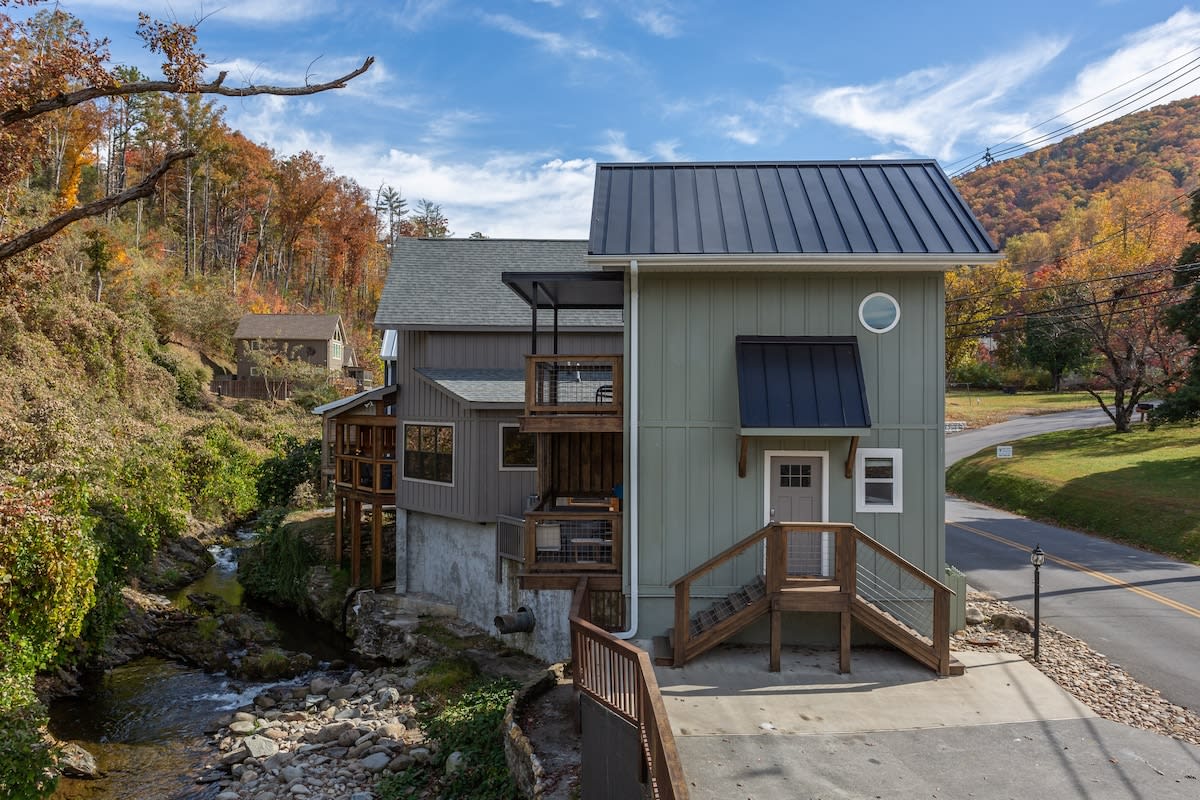
Gatlinburg
The town itself is compact, walkable, and unapologetically tourist-forward — but it has its charms. The SkyLift Park runs a chairlift up the ridge above town and across a glass-bottomed pedestrian bridge suspended 500 feet above the valley — spectacular on a clear day, vertiginous in a good way. Ripley's Aquarium of the Smokies is one of the best aquariums in the Southeast and genuinely excellent with kids. Ober Mountain (formerly Ober Gatlinburg) has a tram up the mountain, winter skiing, ice skating, and an alpine slide that runs year-round.
The Village Shops in the center of town have the better retail — handmade goods, local crafts, taffy shops that have been pulling candy in the window since the 1950s. The Great Smoky Arts & Crafts Community, an 8-mile loop east of town, is the largest collection of independent craft shops in North America: potters, woodworkers, glass blowers, leather workers, most of whom have been operating on this stretch for generations.
For food and drink, the Ole Red Gatlinburg (yes, Blake Shelton's place) actually delivers — big space, good bar, live music that runs most evenings. Calhoun's on the river has been the local institution for barbecue and Tennessee whiskey for decades. Tennessee Jed's is the breakfast spot locals send visitors to.
Pigeon Forge & Dollywood
Six miles north of Gatlinburg, Pigeon Forge is the bigger, louder, more commercial sibling — a four-mile Parkway of dinner theaters, outlet malls, go-kart tracks, mini golf courses, and the kind of American roadside entertainment that's become genuinely rare. It's worth embracing rather than resisting.
Dollywood is the anchor and deserves every bit of its reputation. Dolly Parton's theme park — opened in 1986 on the land where she grew up — is consistently rated among the best theme parks in the world, not just the country. The rides are excellent (the Lightning Rod wooden coaster was the world's fastest when it opened; Wild Eagle has the best views). The craftsmanship demonstrations are genuine: glassblowing, blacksmithing, woodcarving. The shows are frequently extraordinary — Dollywood takes its live entertainment as seriously as a Broadway producer, and the performers are usually exceptional. The food is the best theme park food in America: old-fashioned chicken pot pie, fresh-ground cinnamon bread, pulled pork that's actually been smoked properly. Go for a full day; arrive at opening.
The Pigeon Forge Parkway has a Titanic Museum (a full-scale replica of the ship's bow), a Paula Deen's Family Kitchen, the Island entertainment complex with a 200-foot Ferris wheel, and dinner show options that range from the Dixie Stampede (horses, jousting, cowboy cooking) to the Comedy Barn Theater. It's relentless and completely its own thing.
The Old Mill District, at the north end of Pigeon Forge, is the quieter counterpart: a working 1830 grist mill still grinding cornmeal and grits on the banks of the Little Pigeon River, surrounded by specialty food shops, a pottery, a weaving shop, and several good restaurants. Old Mill Restaurant does a serious country breakfast and is worth the wait.
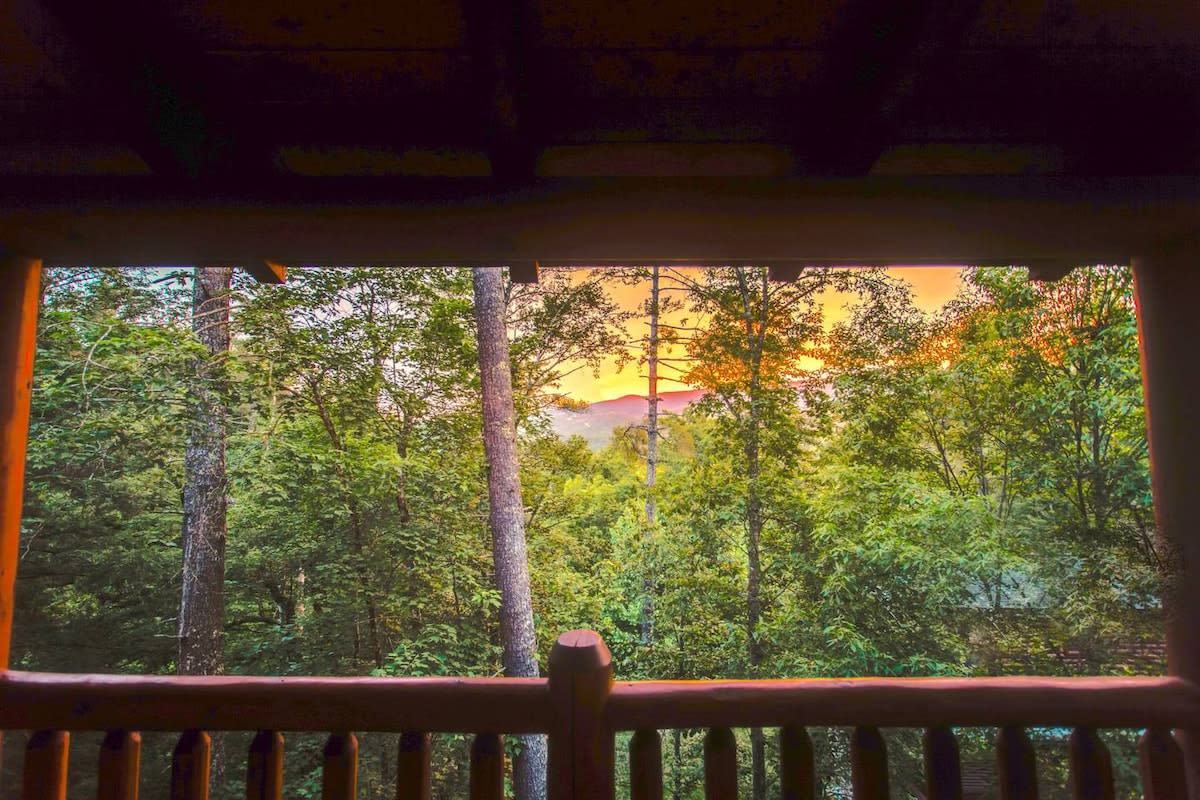
Townsend & the Quiet Side
The western entrance to the park through Townsend is the antidote to the Gatlinburg crowds. Townsend calls itself "the peaceful side of the Smokies" and earns it: a small town on the Little River, one excellent general store, a handful of cabins, and immediate access to some of the park's best and least-crowded hiking. The Little River Trail follows the river deep into old-growth forest. Laurel Creek Road leads to Cades Cove. The tubing on the Little River just outside Townsend is some of the best mountain river tubing in Tennessee.
Cosby
On the northeast side of the park, Cosby is even quieter — a small community with a campground and trails that see a fraction of the Gatlinburg crowd. The Hen Wallow Falls Trail (4.4 miles round-trip) is one of the best moderate hikes in the park. The Low Gap Trail connects to the Appalachian Trail. Several Cosby-area properties sit on private acreage — like the Hiker's Dream Lodge at 34 private acres spanning from Cosby Creek to a summit at 1,798 feet — offering the park experience without any of the Parkway energy.
The Cabins
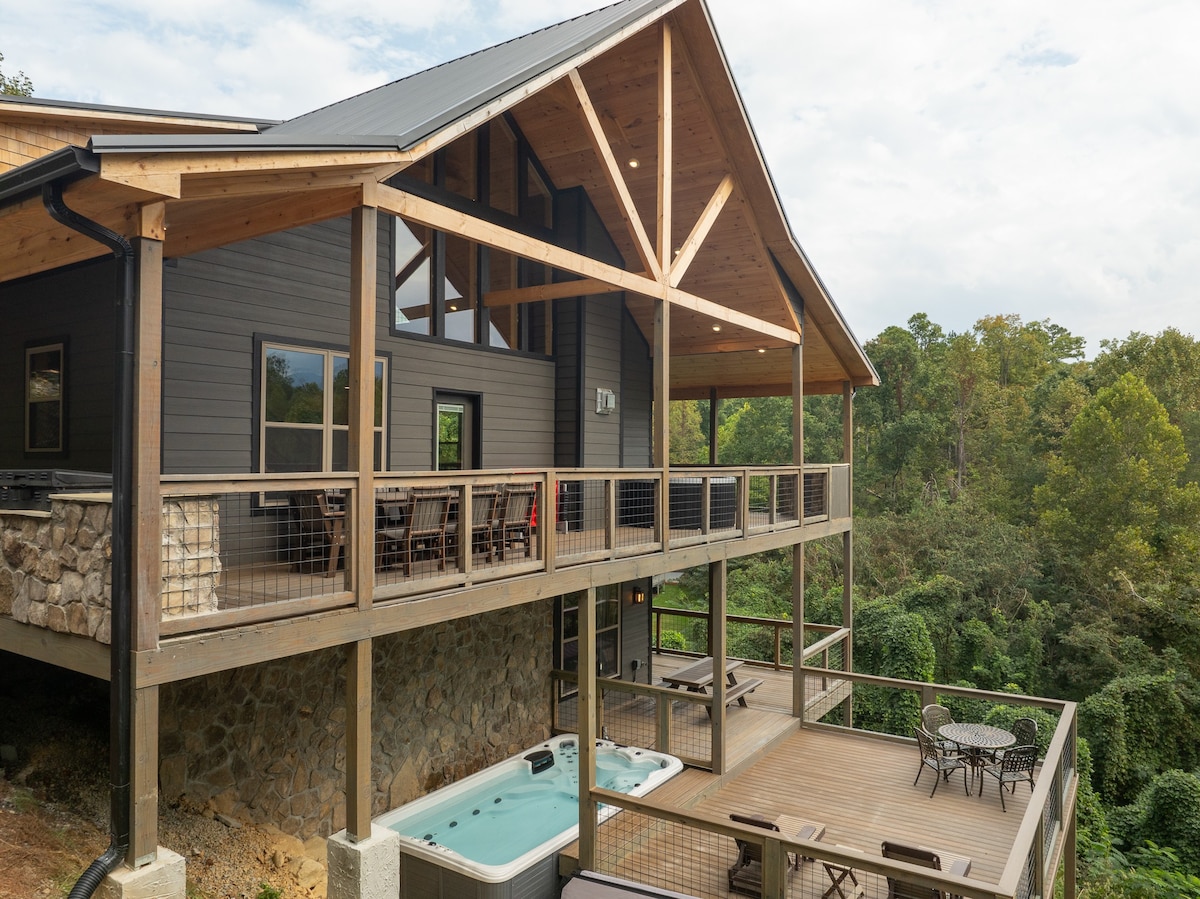
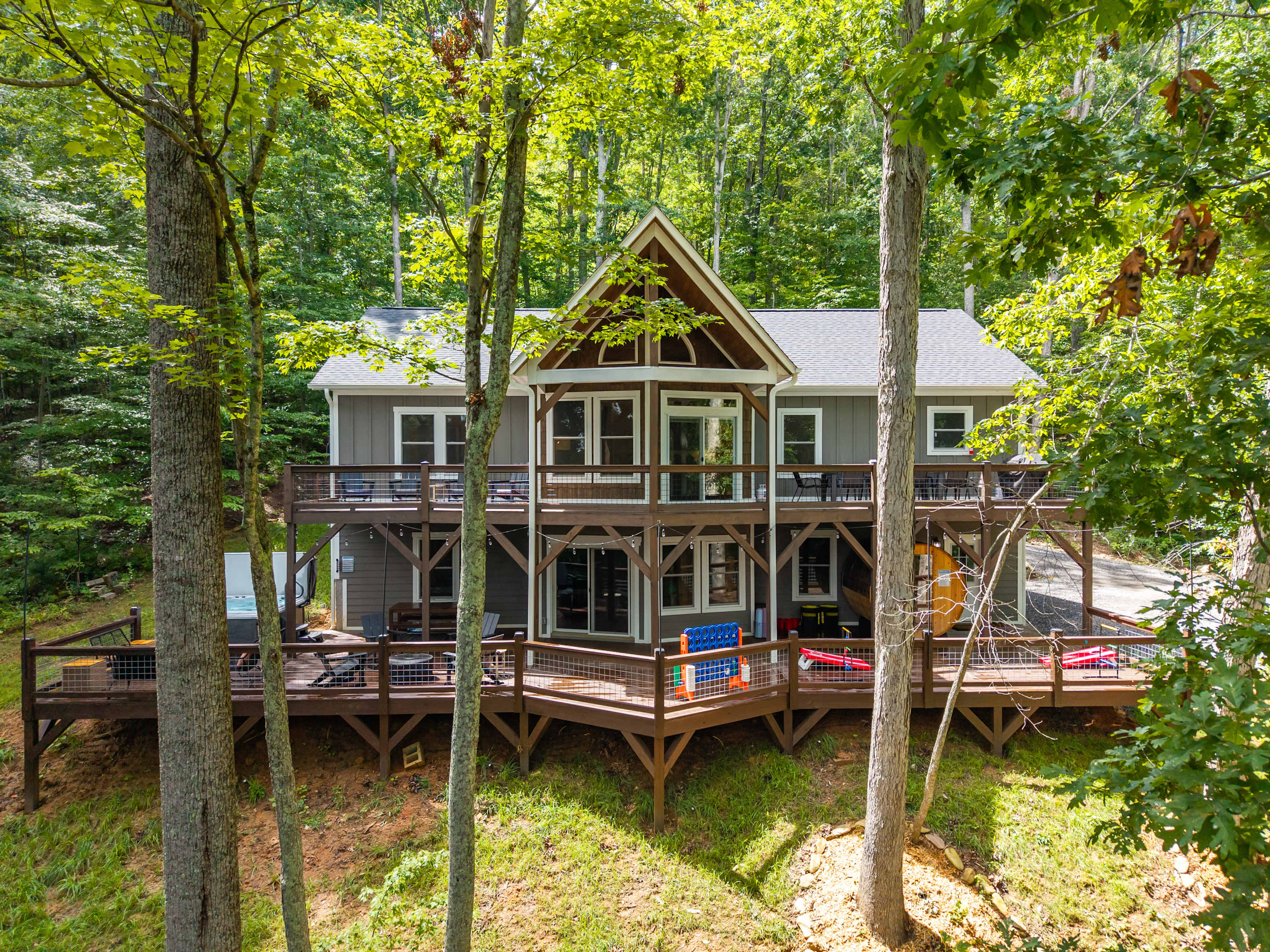
The cabin inventory around Gatlinburg is extraordinary and ranges from romantic couples treehouses to 20-bedroom resort compounds. A few distinct clusters worth knowing:
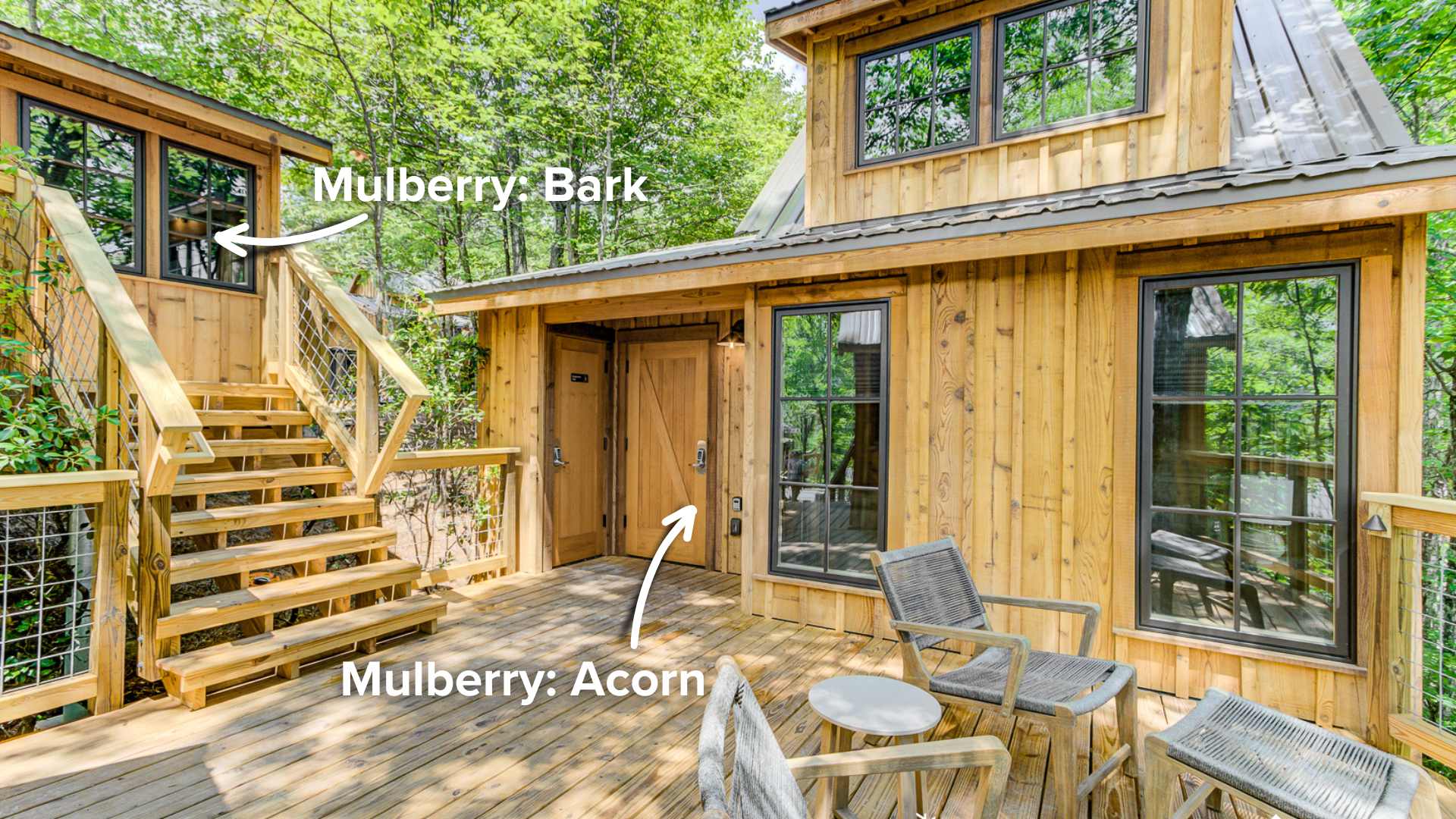
Treehouse Grove: A collection of Pete Nelson ("Treehouse Masters") designed treehouses — The Mulberry, The Elm, The Hickory, The Spruce, The Willow, and a dozen others — built with fire-salvaged wood, rainfall showers, and resort amenities including shared hot tubs, pizza ovens, and firepits. Five minutes from the park entrance. These are genuinely special stays, designed by someone who has spent a career thinking about what it means to sleep among the trees.
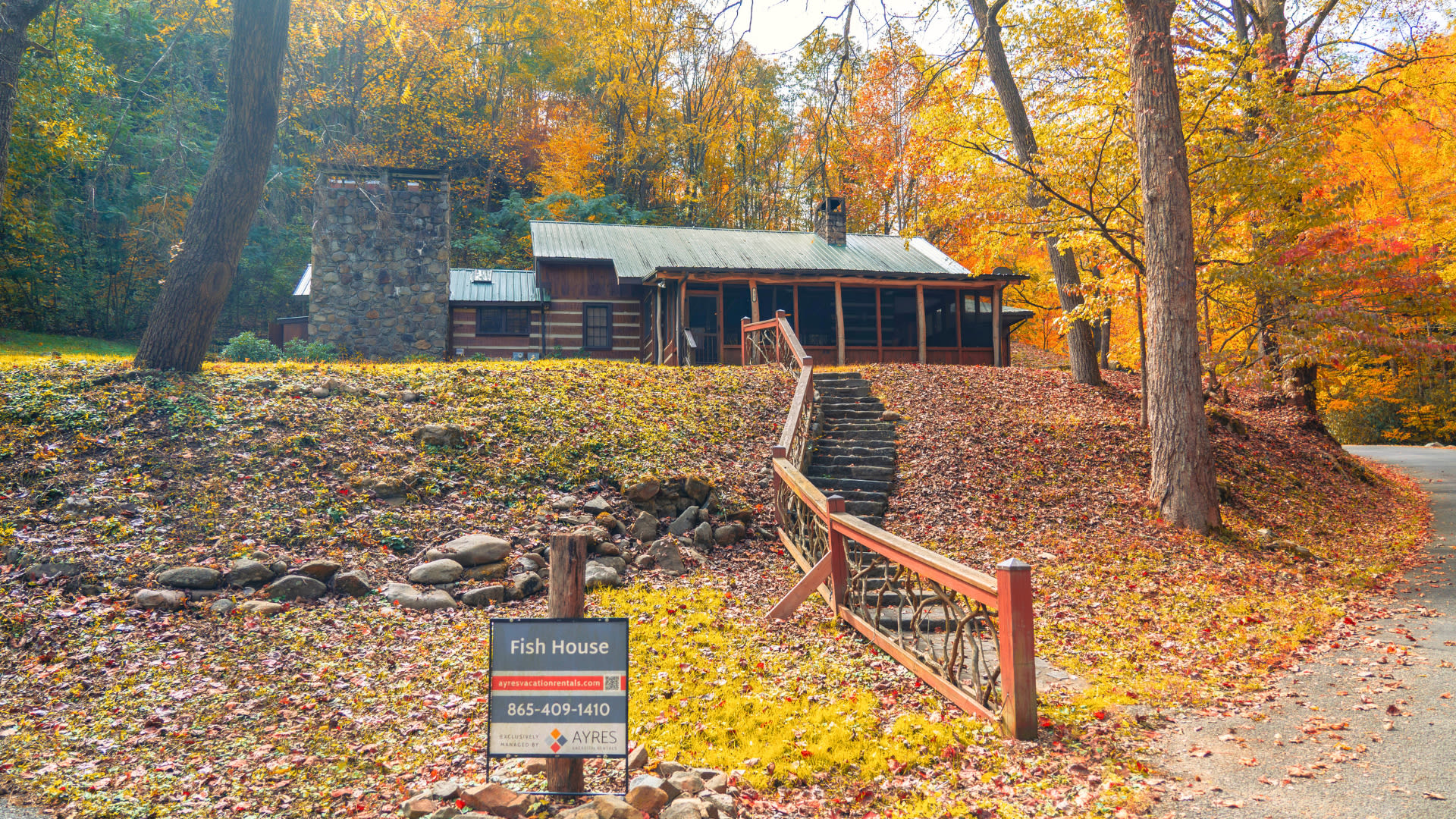
Roaring Fork Stream cabins: Several properties in Gatlinburg sit directly on or above the Roaring Fork, which flows out of the national park. The sound of the water is constant; some have hot tubs positioned over the creek. Walking to downtown from these is usually possible.
Mountain view properties: A cluster of Gatlinburg condos and cabins oriented directly toward Mt. LeConte deliver some of the best sunrise views in Tennessee — the mountain catches the first light while the valley is still dark. These range from 1-bedroom romantic retreats to large family properties.
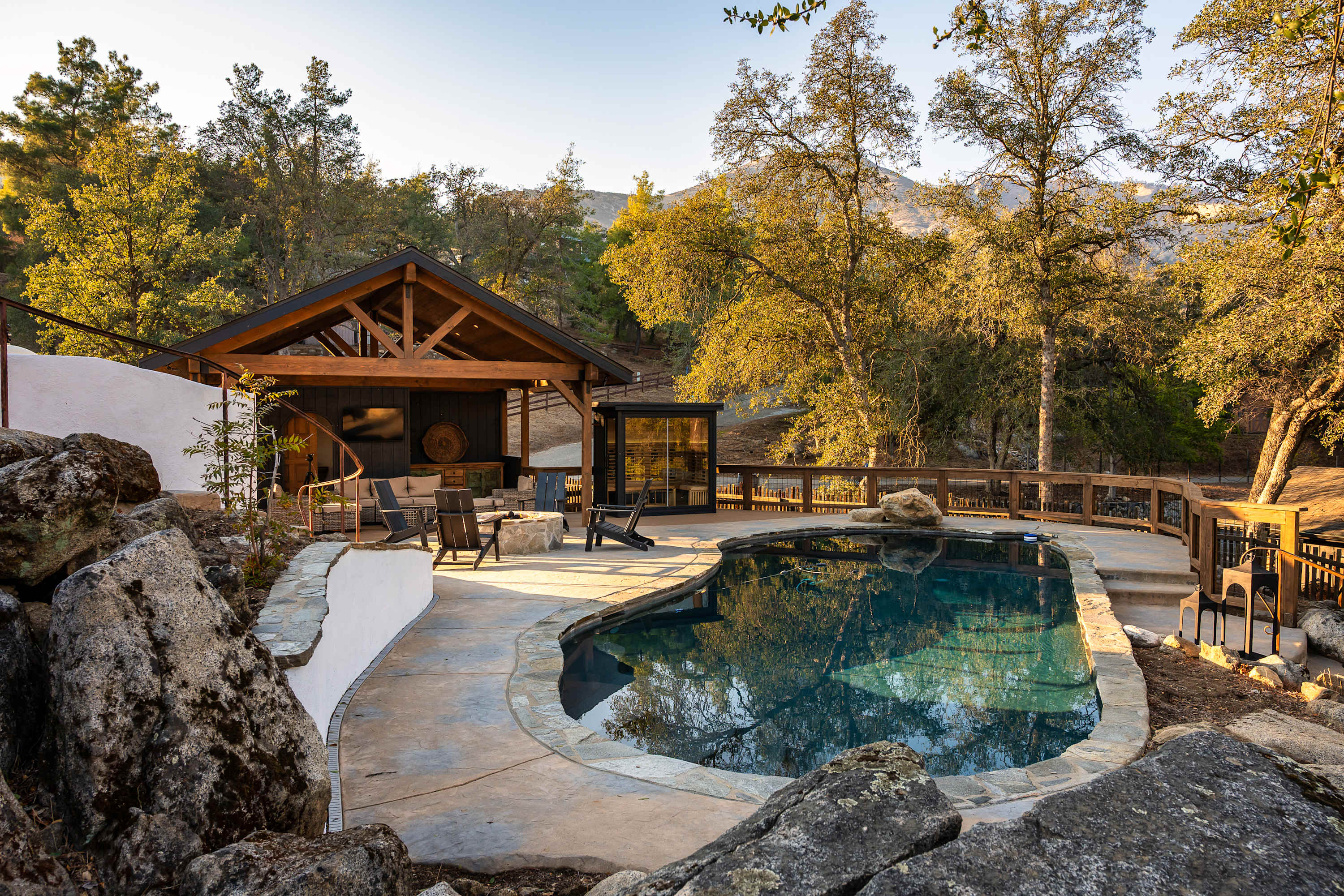
Large group estates: Sevierville has the best inventory for big groups — 12-20 person cabins with indoor pools, home theaters, game rooms, pickleball courts. The Douglas Lake Lodge near Sevierville puts 18 guests on 100+ private gated acres with lake access, pool, tennis, and mountain views.
Find your base in Gatlinburg, TN — browse stays indexed by CielStay.
Search stays on CielStay →Frequently asked questions
Do you need a reservation to visit Great Smoky Mountains National Park?
The park is free to enter and does not require vehicle reservations on most days. However, timed-entry parking permits ($2) are required at several popular trailhead parking areas — including Laurel Falls, Chimney Tops, and Alum Cave — from May through October, bookable at recreation.gov. The park is the most visited in the US (13+ million annual visitors) and trailhead lots fill by 9 AM on peak summer weekends.
What is Clingmans Dome?
Clingmans Dome is the highest point in the Great Smoky Mountains at 6,643 feet — the third highest peak east of the Mississippi. A 0.5-mile paved (steep) trail leads from the parking area to an observation tower with 360-degree views over the Appalachian ridgeline. The Clingmans Dome Road is closed December 1 through March 31. On clear days the view extends 100+ miles; the frequent cloud cover creates a different but equally dramatic effect.
When is the best time to see fall foliage in the Smokies?
Peak fall color in the Great Smokies typically arrives mid-October at higher elevations (5,000+ feet) and moves to the valleys by late October through early November. The mix of over 100 deciduous tree species — red maples, yellow tulip poplars, orange sourwoods, burgundy black gums — produces the most varied palette of any fall foliage region in the eastern US. Expect significant crowds at peak weekends in mid-October.
How far is Gatlinburg from Knoxville?
Gatlinburg is about 40 miles southeast of Knoxville — roughly 45–60 minutes on US-441 through Sevierville and Pigeon Forge. McGhee Tyson Airport in Knoxville is the primary air gateway for the Smokies. The Pigeon Forge–Sevierville corridor on the approach to Gatlinburg is heavily commercialized (Dollywood is here); Gatlinburg itself is more compact and closer to the park entrance.
Stays near this guide
Top-rated independent stays in the region, ranked by CielStay authenticity score.
Try a search
Searches inspired by this guide — describe the vibe you want.
More guides


Nearby landmarks & attractions
Key destinations and attractions in the Gatlinburg, TN area.
Great Smoky Mountains National Park ↗ Maps
America's most-visited national park — old-growth forest, elk, and fall foliage that draws millions.
Gatlinburg ↗ Maps
The main gateway town — touristy but well-positioned as a base for park hikes.
Clingmans Dome ↗ Maps
Highest peak in the Smokies at 6,643 feet — 360-degree views from the observation tower.
This guide was assembled from the local knowledge of hosts with properties throughout Gatlinburg, TN, as indexed by CielStay. The descriptions of restaurants, trails, swimming holes, and local tips reflect what hosts share with guests in their listings — not the observations of a travel journalist or guest reviewer. Photos are sourced from host listing images and are credited to their respective listings. Information about permits and trail conditions may change; always verify with official sources before your trip.