
The National Mall
The National Mall is the spine of Washington, DC — a two-mile greensward running from the Lincoln Memorial on the west to the U.S. Capitol on the east, flanked by the Smithsonian museums and the monuments that define the American capital in the imagination of the world.
The scale is deceptive from photographs. Walking the full length — Lincoln Memorial to the Capitol — takes about forty minutes at a relaxed pace. What's remarkable is the density of what lines the route: the Washington Monument at the center (open to the public, timed-entry passes required from the National Park Service); the World War II Memorial in the plaza around the Reflecting Pool; the Vietnam Veterans Memorial (Maya Lin's black granite chevron, inscribed with 58,000 names, in a grove just north of the main path); the Korean War Veterans Memorial on the south side of the Reflecting Pool; and at the far west end, the Lincoln Memorial, where the seated Lincoln faces east over the entire length of the Mall.
The Mall is free and open at all hours. The memorials are staffed by National Park Service rangers who can answer questions and provide context — particularly at the Vietnam Veterans Memorial and the Lincoln Memorial, where the ranger programs are among the best free interpretive experiences in the capital.
The Smithsonian
The Smithsonian Institution operates nineteen museums, the National Zoo, and nine research centers — the largest museum and research complex in the world, and almost entirely free to visit. The concentration on and near the National Mall is staggering:
The National Museum of Natural History (Constitution Avenue at 10th Street NW) houses the Hope Diamond, a 45.52-carat blue diamond in the Janet Annenberg Hooker Hall of Geology, Gems, and Minerals. The National Air and Space Museum on the Mall holds the Wright Brothers' Flyer, Charles Lindbergh's Spirit of St. Louis, and John Glenn's Friendship 7 capsule. The National Museum of American History covers everything from Julia Child's kitchen to the original Star-Spangled Banner that flew over Fort McHenry. The National Museum of African American History and Culture, opened in 2016 on the northeast corner of the Mall, is the newest and most visited — timed-entry passes are required and should be reserved well in advance via the Smithsonian website.
The National Gallery of Art (technically not a Smithsonian institution but housed on the Mall) holds Leonardo da Vinci's only painting in the Western Hemisphere — Ginevra de' Benci — alongside collections of European and American art spanning seven centuries. The East Building, designed by I.M. Pei, holds the modern and contemporary collection. Both buildings are connected by an underground concourse.
Capitol Hill
Capitol Hill is one of the oldest and most distinctive neighborhoods in Washington, DC — a dense residential grid of 19th-century row houses stepping down from the Capitol toward Eastern Market, the Anacostia River, and the Navy Yard waterfront.
The U.S. Capitol dominates the hill and is open for tours through the Capitol Visitor Center, which sits underground on the east front of the building. Guided tours pass under the 180-plus-foot painted dome, through the Rotunda (where Lincoln, Kennedy, and other leaders have lain in state), and past the Old Supreme Court Chamber. Contact your senator or house representative for passes to observe Congress in session.
The Library of Congress Thomas Jefferson Building (1897) on First Street SE is one of the most ornate public buildings in the United States — Italian Renaissance architecture, gilt murals, and the circular Main Reading Room with its 160-foot-high ceiling. Free tours depart from the visitor center.
The Supreme Court, across First Street from the Capitol, is open to the public when court is not in session. Oral arguments (October through April) are open to the public on a first-come, first-seated basis — lines form early, and two-minute visitor passes rotate throughout argument days for those who cannot stay for a full session.
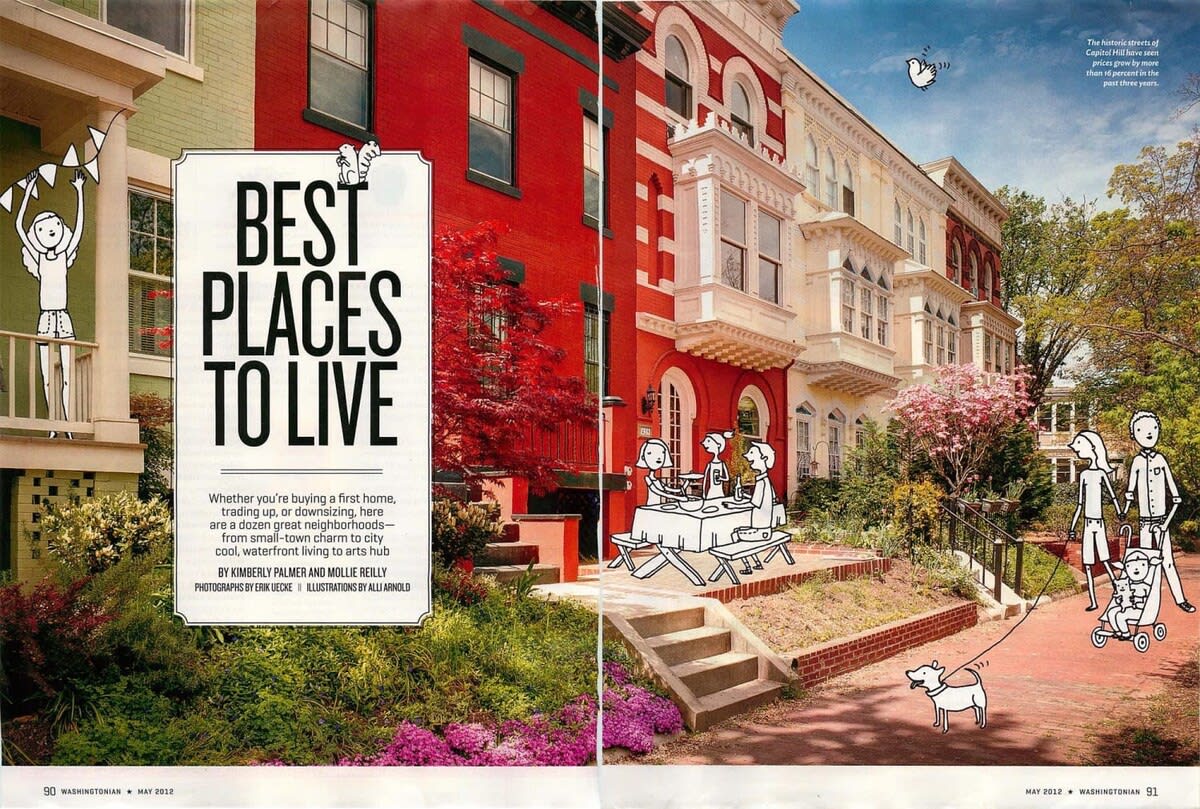
Hosts describe the neighborhood character accurately: by day, Capitol Hill is populated by senators, Supreme Court justices, law clerks, and staffers. By night, the neighborhood's 19th-century row houses and Victorian commercial buildings have become a focal point for restaurants. Barracks Row along 8th Street SE is the main dining corridor — vintage storefronts with oyster houses, bars, and food-focused restaurants. Eastern Market, an 1873 brick building, houses grocers, bakers, and merchants inside every day except Monday, with a weekend bazaar for produce, crafts, and antiques.
The residential streets of Capitol Hill — Massachusetts Avenue NE, East Capitol Street, C Street SE — are architecturally intact in a way that few American neighborhoods can claim: block after block of turrets, stained glass, and ironwork in the Federal, Italianate, and Romanesque Revival styles that define the neighborhood's 1870s–1910s building stock.
Georgetown and the C&O Canal
Georgetown predates Washington, DC itself — it was a prosperous tobacco port in the 1740s, decades before the federal district was established around it. The neighborhood's Federal and Georgian architecture, cobblestone side streets, and the tree-lined Potomac waterfront make it the most visually coherent of DC's historic districts.
The C&O Canal National Historical Park runs 184.5 miles from Georgetown to Cumberland, Maryland, following the Potomac River through the Appalachian foothills. The Georgetown end of the towpath — flat, shaded, and running along the historic canal — is one of the most pleasant urban walks in the city. The Canal is managed by the National Park Service and is free to access along its entire length.
Wisconsin Avenue and M Street in Georgetown hold the neighborhood's commercial core — a mix of national retailers, independent boutiques, restaurants, and bars. The Georgetown Waterfront Park along the Potomac River provides access to the riverfront and views across to Virginia.
The Metro and Getting Around
Washington, DC's Metro is the most relevant transit system for visitors. Six color-coded lines connect all major tourist destinations: the Red Line serves Dupont Circle, Woodley Park (National Zoo), and Union Station; the Blue/Orange/Silver lines connect Reagan National Airport to the Capitol and across to the Virginia suburbs; the Green/Yellow lines connect U Street, Columbia Heights, and the convention center neighborhood.
The Metro was designed with stations as architecture — Paul Spreiregen's brutalist coffered concrete vaults at Gallery Place, Dupont Circle, and Pentagon City are recognized as significant works of late-20th-century public architecture. The system runs Sunday through Thursday until midnight and Friday and Saturday until 1 a.m.
Biking is viable across central DC: the Capital Bikeshare system operates docked and dockless bikes across the city, and dedicated lanes run along Pennsylvania Avenue NW, the Mall perimeter, and the Rock Creek Park trails.
Dupont Circle and Embassy Row
Dupont Circle is the social and cultural center of DC's northwest quadrant — a walkable neighborhood of bookshops, sidewalk cafes, art galleries, and the concentration of foreign embassies along Massachusetts Avenue NW known as Embassy Row. The Phillips Collection at 21st and Q Streets NW is the oldest modern art museum in the United States, housed in a Georgian Revival mansion with a courtyard expansion. The permanent collection includes Renoir's Luncheon of the Boating Party.
The U Street corridor northeast of Dupont — centered on U Street NW between 9th and 16th Streets — was the historic center of African American cultural life in the segregated capital, home to the venues where Duke Ellington, Ella Fitzgerald, and Cab Calloway performed. The neighborhood went through decades of disinvestment following the 1968 riots and has re-emerged as one of the most active neighborhoods in the city.
Where to Stay
Capitol Hill puts guests within walking distance of the Capitol complex, the Supreme Court, the Library of Congress, Eastern Market, and the Mall. The 19th-century row houses that define the neighborhood — with their historic mantels, stained glass windows, and private gardens — offer a qualitatively different experience from a hotel in the central business district.
One property on East Capitol Street, built in 1888, occupies one of the finest blocks in the neighborhood: a position from which the Capitol dome is visible at sunset from the front porch. The home retains three decorative fireplaces with original mantels, stained glass windows, marble countertops, and a separate carriage house with its own kitchen — the kind of historic fabric that Capitol Hill has maintained better than almost any comparable American neighborhood.
A five-bedroom row house near the Capitol with a private rooftop offers sweeping views of the Capitol dome — the kind of vantage point that turns the surrounding neighborhood legible. Two full kitchens, a home gym, and garage parking make it practical for extended stays or larger groups visiting the capital.
For those who prioritize walkability to the White House and Midtown offices, the stretch of Lafayette Square and K Street puts guests two blocks from the Executive Mansion, four minutes on foot from the Farragut North Metro station on the Red Line, and within a walk-scored 99 environment where museums, restaurants, and transit are all reachable without a car.
Planning Your Visit
Washington, DC is a year-round destination but the optimal windows are spring and fall. Cherry blossom season (late March through mid-April) is the most photographed moment in the DC calendar — the roughly 3,000 cherry trees ringing the Tidal Basin, a gift from Tokyo in 1912, bloom for approximately two weeks and draw millions of visitors. The National Cherry Blossom Festival runs events across the peak bloom period.
Fall (September through November) offers mild temperatures, post-summer crowds, and the full congressional and Supreme Court calendar in session. Summer is hot and humid but manageable — the Mall's open spaces benefit from afternoon breeze, and the Smithsonian museums provide air-conditioned relief.
The washington.org official travel site maintains current event calendars, museum hours, and neighborhood guides.
Find your base in Washington, DC — browse stays indexed by CielStay.
Search stays on CielStay →Frequently asked questions
When is the best time to visit Washington, DC?
Spring (late March through mid-April) is peak season for cherry blossom bloom around the Tidal Basin, drawing large crowds. Fall (September through November) offers mild temperatures, full congressional and Supreme Court sessions, and fewer tourists than summer. Summer is hot and humid but manageable — the Smithsonian museums provide climate control and are free. Winter is the quietest and least expensive time, with most museums and monuments fully accessible.
Are Smithsonian museums free to visit?
Yes — the Smithsonian Institution's nineteen museums on and near the National Mall are free and open to the public. The National Museum of African American History and Culture requires timed-entry passes (free, reserved in advance via the Smithsonian website). The National Gallery of Art, while not technically a Smithsonian institution, is also free. Most museums are open daily except December 25.
What is the best neighborhood to stay in Washington, DC?
Capitol Hill is the choice for visitors prioritizing proximity to monuments and historic character — it puts the U.S. Capitol, Supreme Court, Library of Congress, Eastern Market, and the National Mall all within walking distance, in a neighborhood of intact 19th-century row houses. Dupont Circle offers the most walkable urban neighborhood experience, with restaurants, bookshops, and the Phillips Collection. Georgetown suits visitors who want the historic waterfront and C&O Canal towpath access.
Do you need a car to get around Washington, DC?
No — Washington, DC is one of the most accessible car-free cities in the United States. The Metro's six color-coded lines reach every major tourist destination, running until midnight on weekdays and 1 a.m. on weekends. Central neighborhoods like Capitol Hill, Dupont Circle, Georgetown, and the National Mall are all highly walkable. Capital Bikeshare provides docked and dockless bikes across the city. Reagan National Airport (DCA) is directly on the Metro.
Stays near this guide
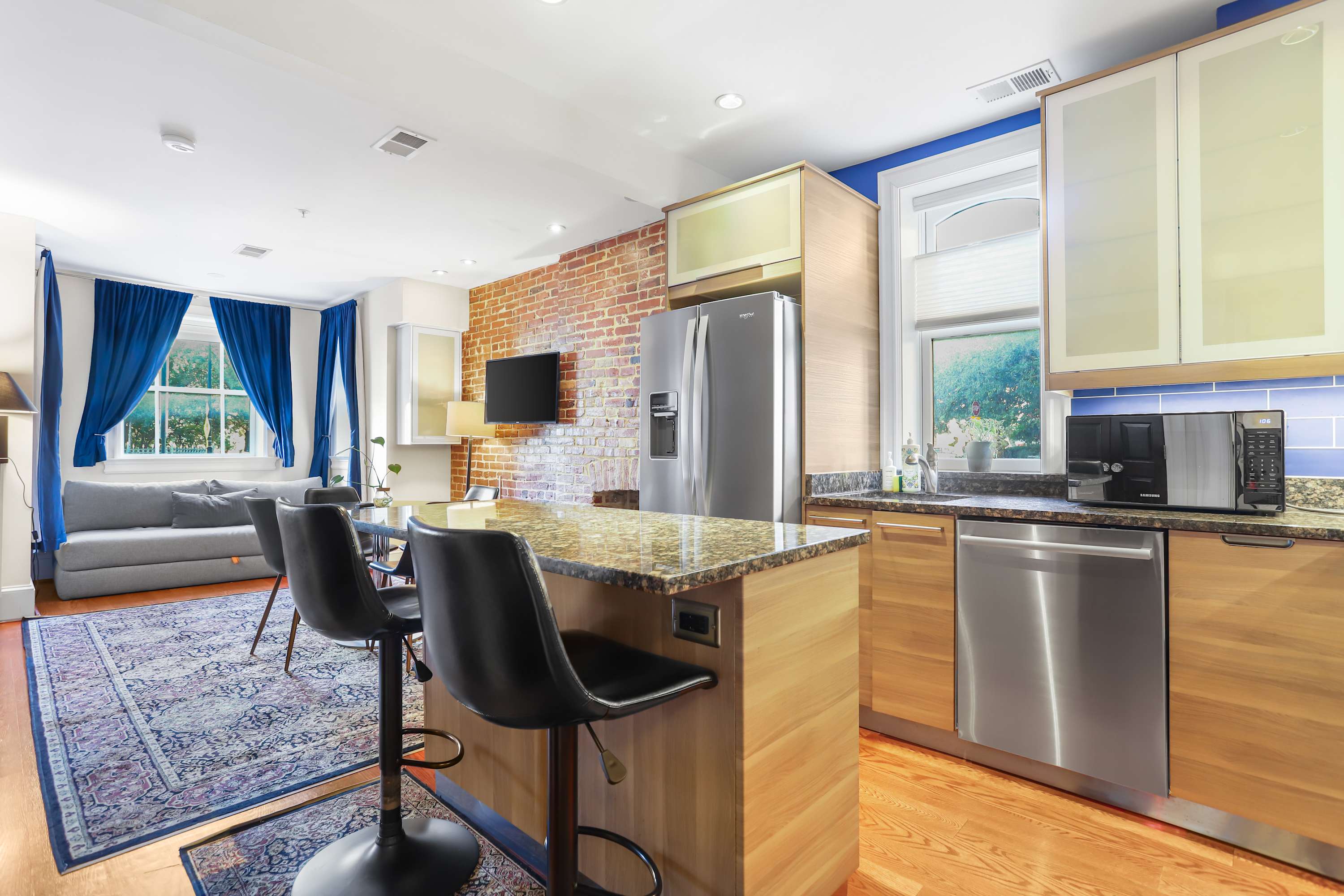
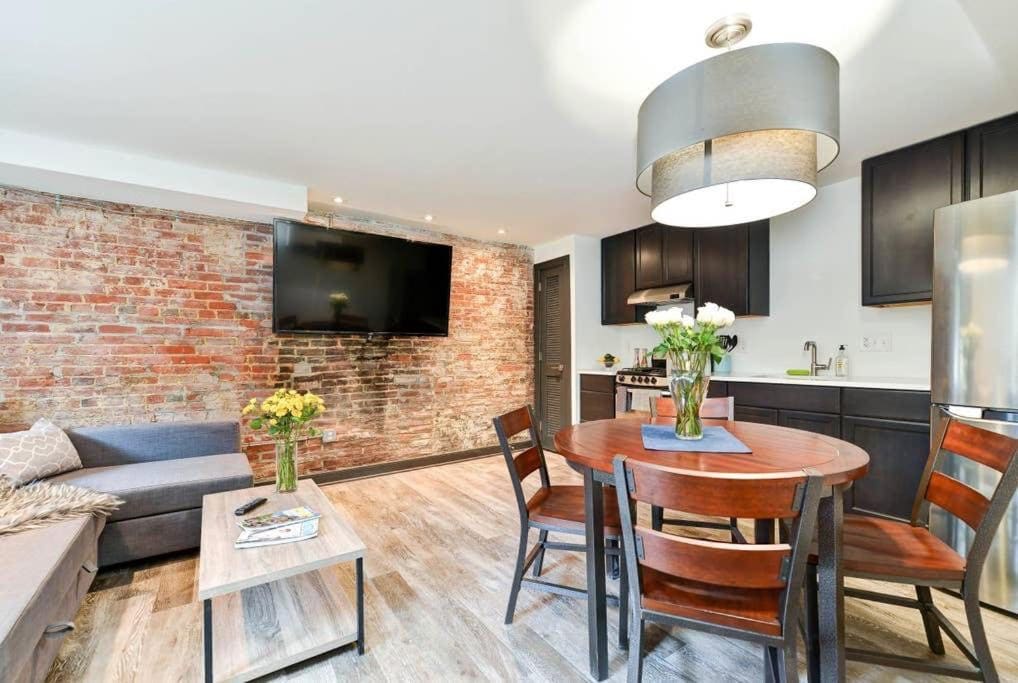
Top-rated independent stays in the region, ranked by CielStay authenticity score.
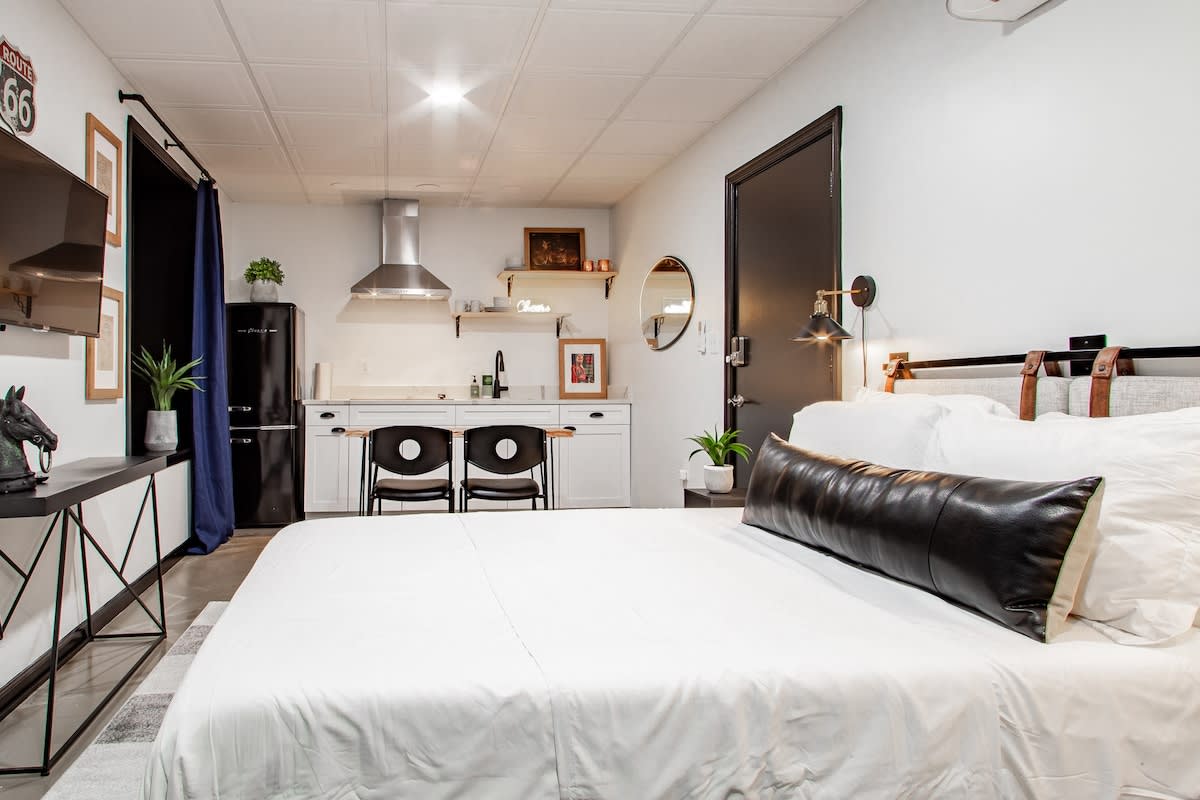
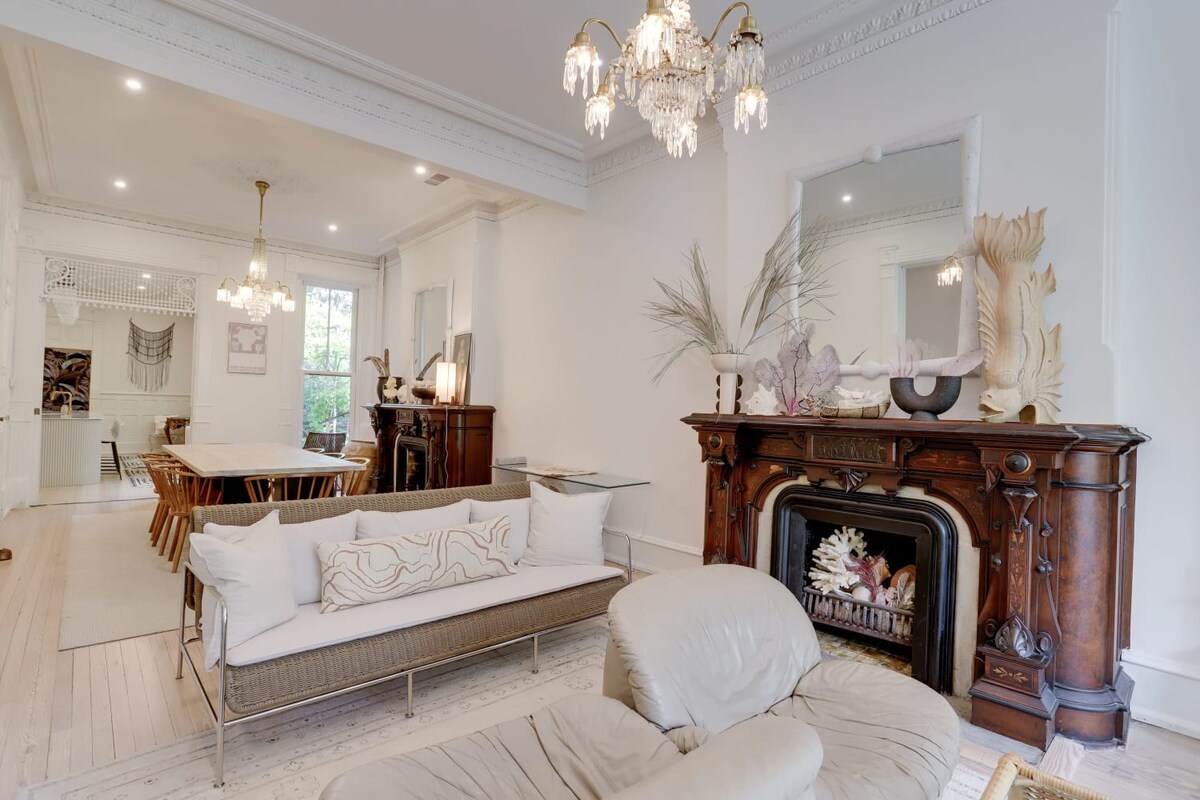
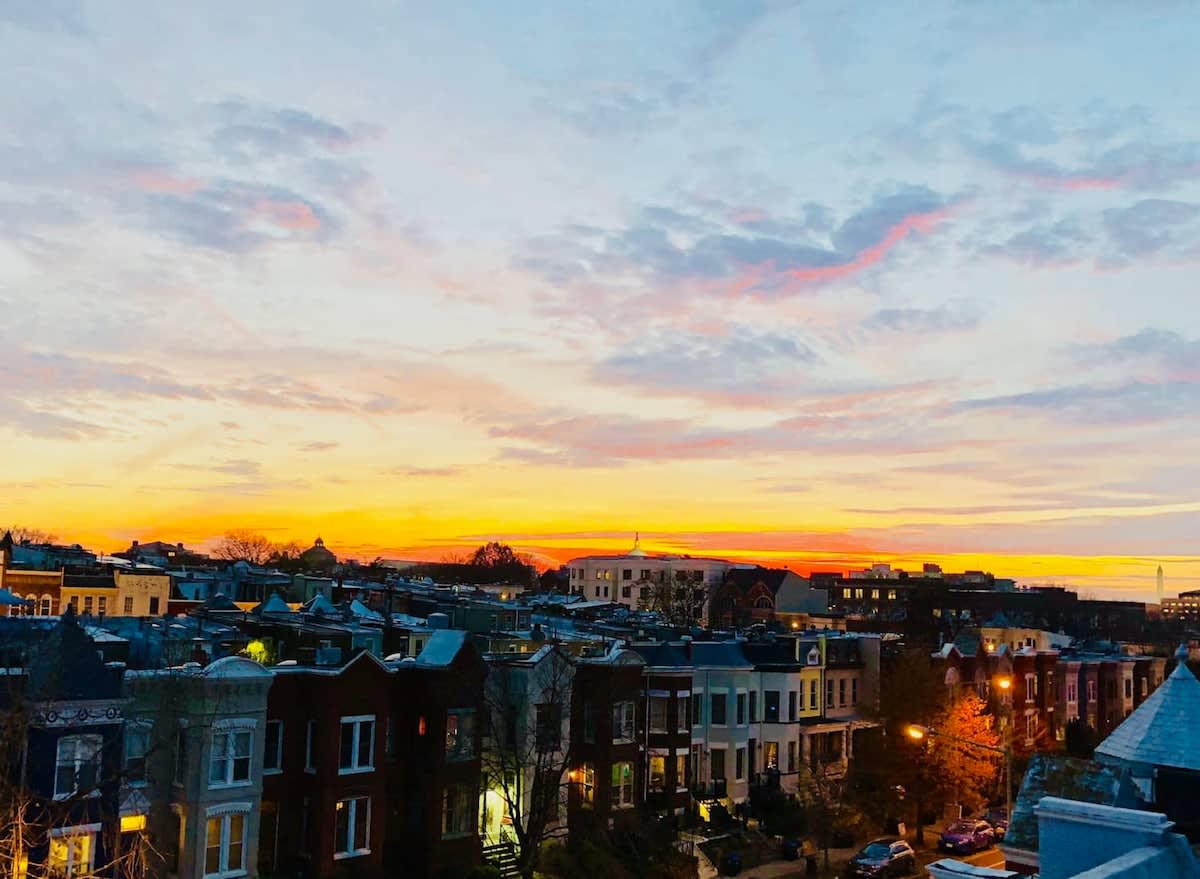
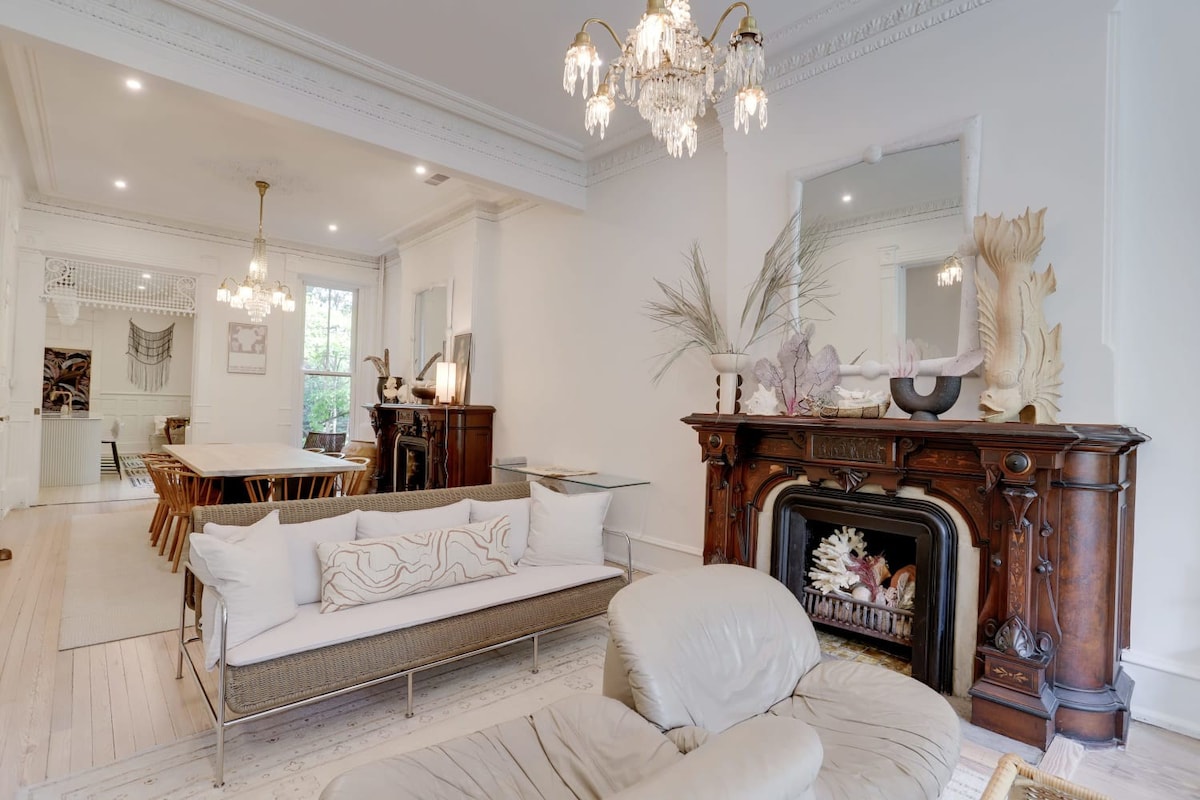
Try a search
Searches inspired by this guide — describe the vibe you want.
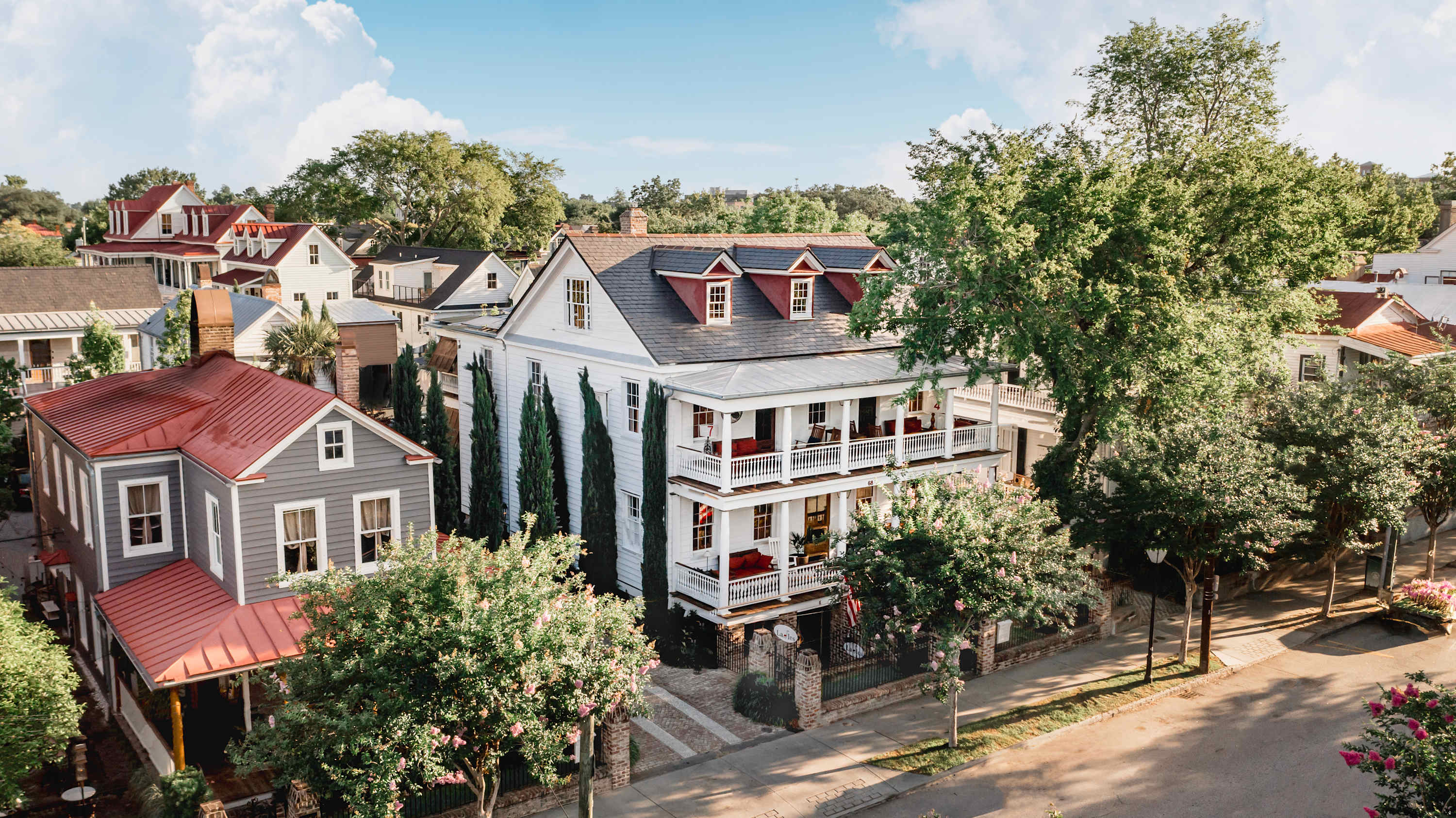
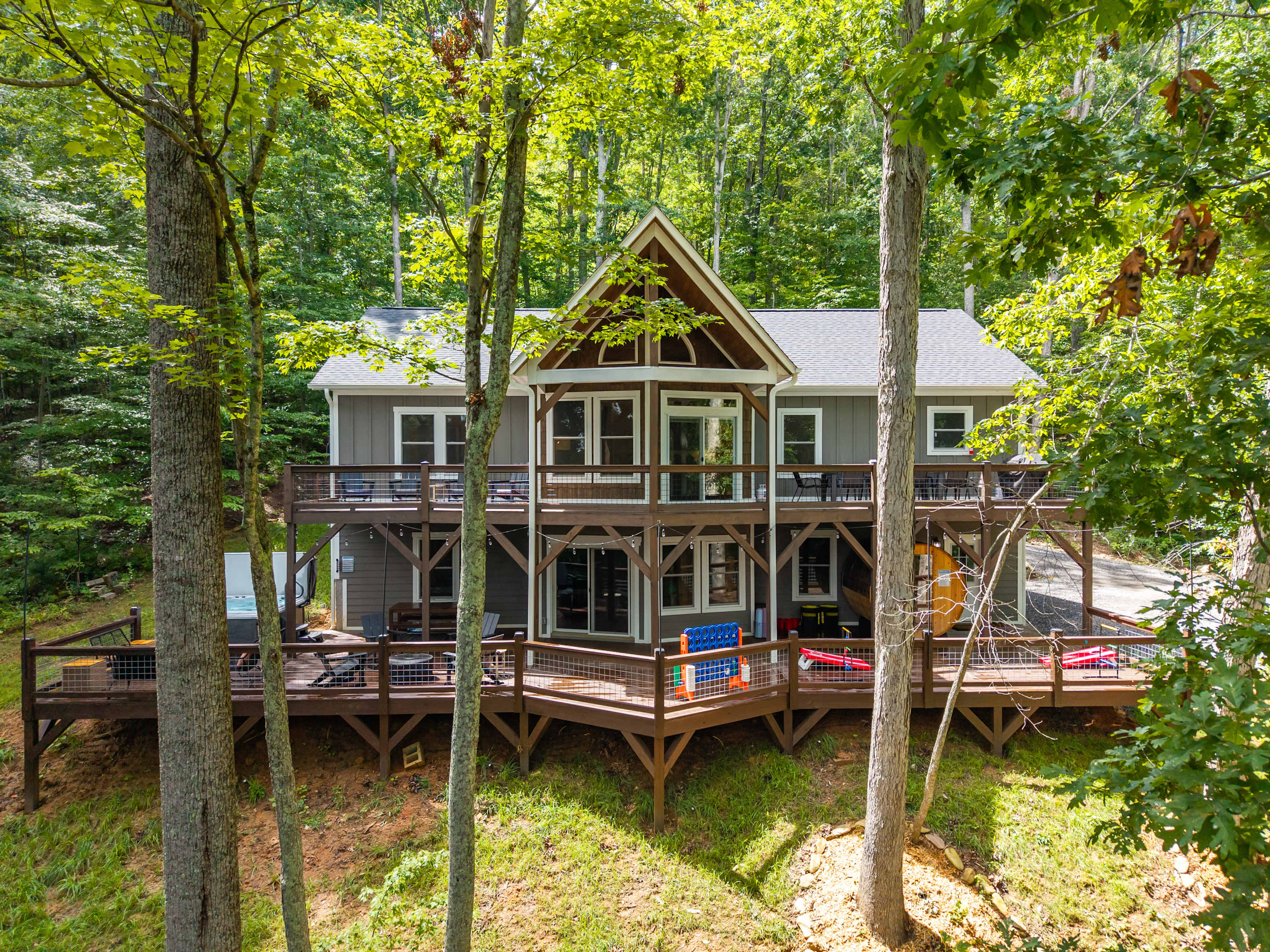
More guides

Nearby landmarks & attractions
Key destinations and attractions in the Washington, DC area.
The National Mall ↗ Maps
The two-mile greensward from the Capitol to the Lincoln Memorial — 19 Smithsonian museums, monuments, and the symbolic center of American democracy.
Georgetown ↗ Maps
DC's oldest neighborhood — federal townhouses, the C&O Canal towpath, and Wisconsin Avenue's independent restaurant and shop scene.
The Wharf ↗ Maps
DC's newest waterfront development on the Southwest channel — concert venues, restaurants, and a marina that has transformed this stretch of the city.
This guide was assembled from the local knowledge of hosts with properties throughout Washington, DC, as indexed by CielStay. The descriptions of restaurants, trails, swimming holes, and local tips reflect what hosts share with guests in their listings — not the observations of a travel journalist or guest reviewer. Photos are sourced from host listing images and are credited to their respective listings. Information about permits and trail conditions may change; always verify with official sources before your trip.