
The Twenty-Two Squares
Georgia's oldest city was laid out in 1733 by James Oglethorpe on a grid of wards, each centered on a park-like square. The plan — never replicated elsewhere in the Americas at this scale — produced a city of outdoor rooms: shaded green spaces encircled by residential and civic architecture, with through streets running between the wards and access lanes entering each square from the sides. Today, 22 of the original squares survive within the Savannah National Historic Landmark District, a nearly two-square-mile zone at the heart of the city. Walking from square to square — under canopies of live oak draped in Spanish moss — is the central experience of a Savannah visit. The paving changes, the trees change, the architecture shifts from Federal to Greek Revival to Italianate, but the feeling is consistent: slow, shaded, and distinctly Southern.
The squares also function as the city's orientation points. Every major landmark in the historic district is calibrated to the grid — and this relationship between landmark and square gives Savannah a navigability unusual for a city of its age. The squares were used for military drilling in the colonial era and public assembly in the 19th century; today they are simply parks, maintained by the city and frequented by residents, SCAD students, and visitors at every hour of the day.
Forsyth Park and the Victorian District
The largest green space in the historic district, Forsyth Park covers 30 acres at the southern end of the Oglethorpe grid, anchored by an ornate cast-iron fountain dating to 1858. Hosts near the park describe it as a gathering point for "picnics and people-watching by the iconic fountain," and the morning routines visible here — dog walkers, runners on the perimeter path, students with sketchbooks — give the park a lived-in quality that the more formal squares to the north do not always have. The fountain, surrounded by reflecting pools and plantings of azaleas and magnolias, is the most photographed landmark in the city.
The Victorian District south and west of Forsyth Park was developed in the latter half of the 19th century, when the city expanded beyond Oglethorpe's original grid. The architecture here is more ornate than the earlier Federal and Regency buildings — gingerbread trim, wraparound porches, colored glass in transom windows. Hosts in the district describe tree-lined streets, local cafes and boutique shops within walking distance, and easy access to scenic walking paths and iconic Savannah squares throughout the neighborhood.
The Historic Landmark District: Architecture and Institutions
The Historic Landmark District is bounded roughly by the Savannah River to the north, Forsyth Park to the south, and MLK Jr. Boulevard and Broad Street to the west and east. The townhouses, carriage houses, and row buildings within it were constructed between the 1790s and the 1870s, and a preservation movement beginning in the 1950s — driven largely by the Historic Savannah Foundation — saved hundreds of buildings that might otherwise have been demolished. The result is one of the largest contiguous historic districts in the United States and an unusually complete picture of how an affluent American port city appeared before the Civil War.
Among the institutions within walking distance of the district's townhouses: the Telfair Museums — one of the oldest public art museums in the American South — which hosts note is only a 10-minute walk from the historic core. The complex includes three sites: the Telfair Academy (an 1819 Regency mansion), the Owens-Thomas House (an 1816 English Regency townhouse), and the Jepson Center for the Arts, a contemporary structure on Telfair Square. The Lucas Theatre for the Arts on Abercorn Street — a 1921 movie palace restored with original plasterwork and murals — is a 5-minute stroll from the Whitefield Square neighborhood, hosting concerts, films, and live performances year-round.
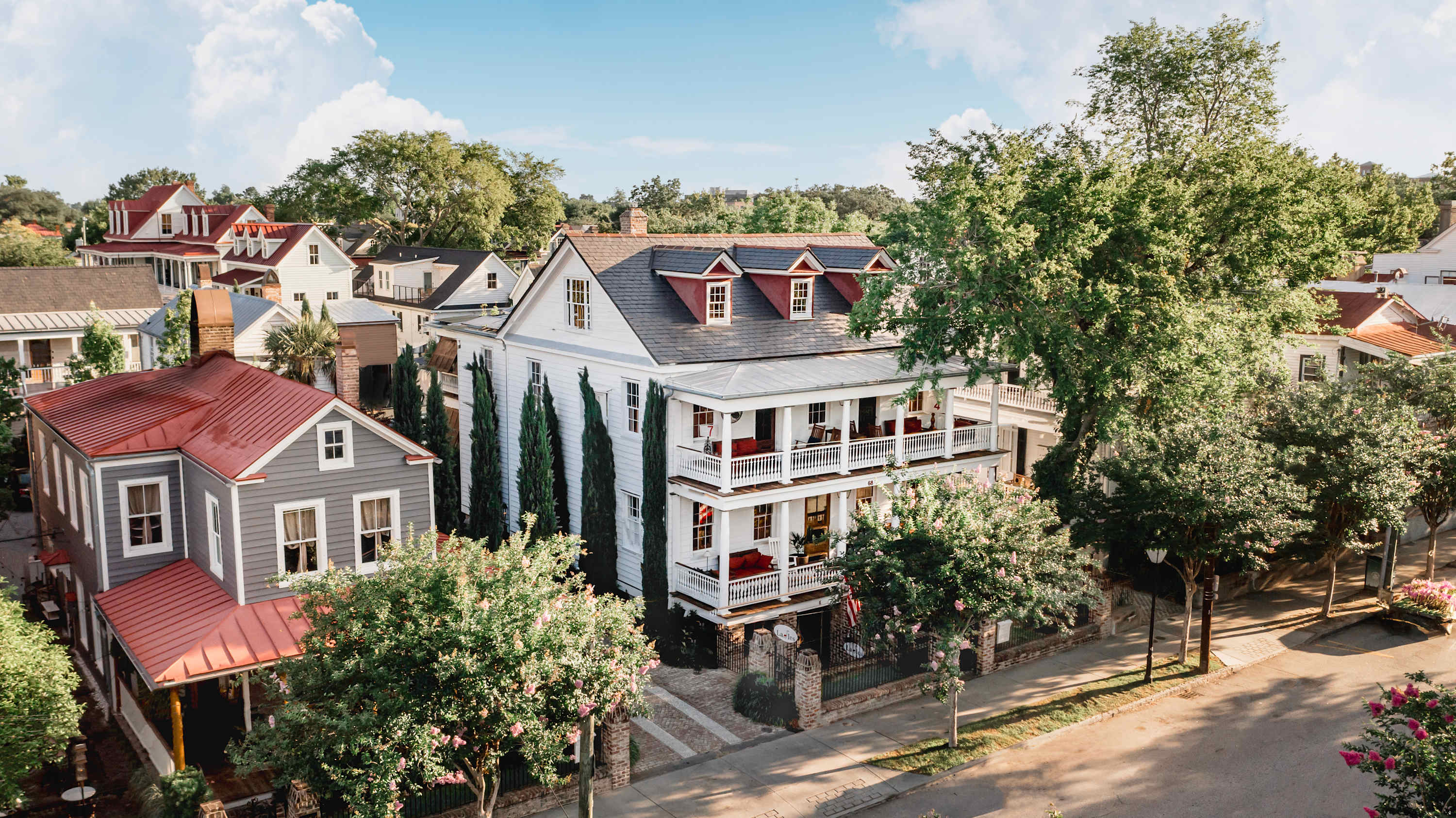
Crawford Square, in the eastern historic district, is one of the quieter of the city's squares — shaded by old-growth live oaks, surrounded by Federal-style townhouses, and animated, hosts note, by "horse-drawn carriages passing regularly" throughout the day as part of the city's active carriage tour industry.
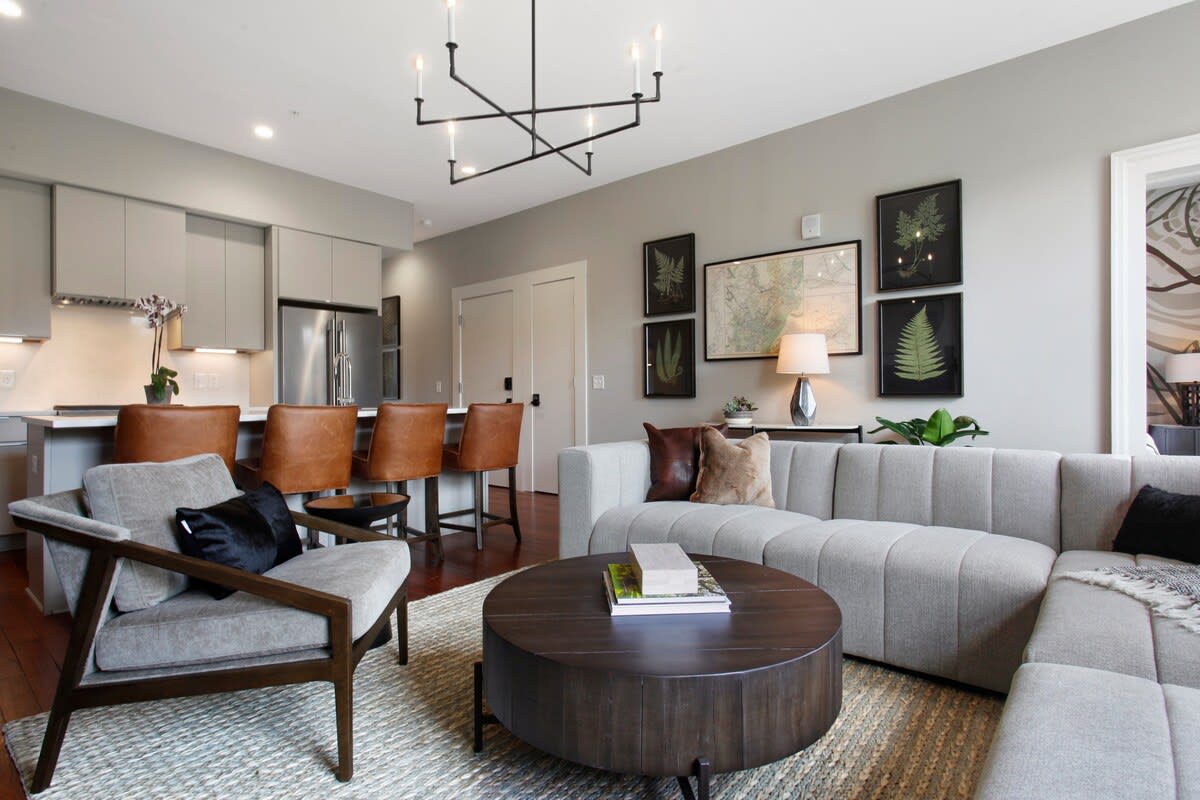
The boutique hotel presence on and near Crawford Square reflects how fully the historic district has been woven into the short-term rental and boutique hospitality economy.
SCAD and the Art Scene
The Savannah College of Art and Design was founded in 1978 in a cluster of historic buildings downtown and has since expanded to occupy dozens of restored structures throughout the city — a former train station, a jail, armories, churches — giving the college a presence woven into the historic fabric rather than set apart from it. The SCAD Museum of Art, housed in a restored 1853 Central of Georgia Railroad freight depot, is one of the largest university art museums in the country and is open to the public, with a permanent collection focused on contemporary and modern works. Hosts in the Victorian District point guests toward the SCAD Museum of Art as a natural complement to a day exploring the squares and riverfront.
The college's presence has shaped the creative ecosystem of the city in measurable ways: a concentration of galleries, design studios, independent shops, and arts-forward food and drink businesses operates throughout the historic district and the adjacent Starland neighborhood. Savannah is not a museum of antebellum architecture — it is a working creative city that happens to be set inside one.
River Street and the Waterfront
River Street runs along the northern edge of the city at the base of the bluff on which Savannah was built. The cobblestone surface — laid with ballast stones brought as ship ballast from European ports — follows the Savannah River for nine blocks, with the old cotton warehouses that once stored coastal Georgia's agricultural output now converted into restaurants, bars, and shops at water level. City Market, a few blocks inland, is an indoor-outdoor dining and entertainment complex in a restored 19th-century produce market building. Plant Riverside, a development west of the historic core along the riverfront, has expanded the waterfront district in recent years. Hosts in properties near the waterfront note that both are within easy walking distance of downtown lodging.
The bluff above River Street — connected by steps and a series of ramps — leads directly back into the historic grid, making the river an extension of the walking city rather than a separate destination. The industrial scale of the original warehouses, visible from River Street, is a reminder of Savannah's role as one of the most active cotton ports in the antebellum South.
Tybee Island
Tybee Island is the barrier island at the mouth of the Savannah River — the beach town Savannah uses as its coast. Hosts confirm the beaches of Tybee Island are a 25-minute drive from downtown. The island is small and low-key compared to the resort-heavy Sea Islands to the north: a historic lighthouse complex, a fishing pier, oceanfront and back-river beaches with wide hard-packed sand, and a commercial strip of seafood restaurants and surf shops along the main beach road. The combination of a walkable historic city and a casual barrier island beach within half an hour makes Savannah an unusually flexible destination — mornings in the squares, afternoons on the water.
Where to Stay
Savannah lodging concentrates in three natural zones. The Historic District and Victorian District — the Oglethorpe grid itself — puts guests within walking distance of every major landmark. Properties here range from full historic townhouses sleeping large groups to compact boutique hotel suites occupying individual rooms in 19th-century buildings. The Forsyth Park corridor at the southern edge of the Victorian District is a particularly sought-after location: quiet, residential, and within a short stroll of both the park and the downtown squares. Hosts emphasize the "walkability" of this zone — local cafes, boutique shops, and scenic walking paths all within easy reach on foot.
Midtown and the Starland District, south of Forsyth, offer a more local residential character with easy access to SCAD facilities and the independent food scene the college supports. Further out, Wilmington Island and Whitemarsh Island sit between the city and Tybee Island, offering contemporary homes with more space and a short drive to both the historic core and the beach.
When to Go
Spring (March through May) is the traditional peak season, with azalea blooms across the squares, mild temperatures, and the St. Patrick's Day celebration — one of the largest in the United States — drawing the year's biggest crowds. The weeks immediately following St. Patrick's Day can offer an ideal window: azaleas still in bloom, crowds thinned, rates normalized. Fall (September through November) is the quieter shoulder season, warm enough for Tybee Island beaches through October, with lower accommodation rates and the city at its least crowded. Summer is hot and humid, but the shade canopy of Savannah's live oaks, morning cool-downs along the squares, and the air-conditioned museums and galleries throughout the historic district make it manageable. The historic district at dusk in summer — when the heat has broken and the squares are lit by gold-hour light filtering through the oak canopy — is one of the most atmospheric times to be in Savannah.
Find your base in Savannah, GA — browse stays indexed by CielStay.
Search stays on CielStay →Frequently asked questions
When is the best time to visit Savannah, Georgia?
Spring (March through May) is the traditional peak season, with azalea blooms across the squares, mild temperatures, and the St. Patrick's Day celebration drawing the year's largest crowds. The weeks immediately after St. Patrick's Day offer peak-season beauty with thinning crowds. Fall (September through November) is the quieter shoulder season — warm enough for Tybee Island beaches through October, with lower rates and better availability in the historic district. Summer is hot and humid but manageable given the shade canopy of Savannah's live oaks and the air-conditioned museums and galleries throughout the historic district.
What is the Oglethorpe plan and why does Savannah's street grid look different from other cities?
James Oglethorpe laid out Savannah in 1733 on a ward-based grid in which each ward centered on a public square — a design that mixed civic, residential, and commercial uses while giving every resident a nearby green space. The plan produced 24 original wards; 22 of the resulting squares survive within the National Historic Landmark District today. Unlike a standard grid, the Oglethorpe plan routes through-traffic between wards while access lanes enter each square from the sides, making the squares feel like outdoor rooms rather than traffic islands. The result has been studied by urban planners for nearly three centuries as a model of walkable, mixed-use city design.
How far is Tybee Island from downtown Savannah?
Tybee Island is a 25-minute drive from downtown Savannah via the Islands Expressway and US-80 across a causeway. The island is the closest ocean beach to the city and functions as Savannah's primary beach destination — a barrier island with wide, hard-packed sand, a historic lighthouse complex, a fishing pier, and a casual strip of seafood restaurants and surf shops. A day trip combining morning exploration of the historic district with an afternoon on Tybee is one of the most natural itineraries in the region.
Is Savannah a good destination for large groups and family reunions?
Yes. The historic district has a significant supply of multi-bedroom townhouses and restored historic buildings that can accommodate groups of 10 to 15 people under one roof, including buildings constructed as early as 1855 in the heart of the district. The walkable layout — with squares, restaurants, and major attractions all within strolling distance of downtown lodging — suits groups that prefer not to coordinate car logistics. Forsyth Park offers open green space for informal gathering, and the mix of history, food, art, and beach access provides programming for varied interests within the same group.
Stays near this guide
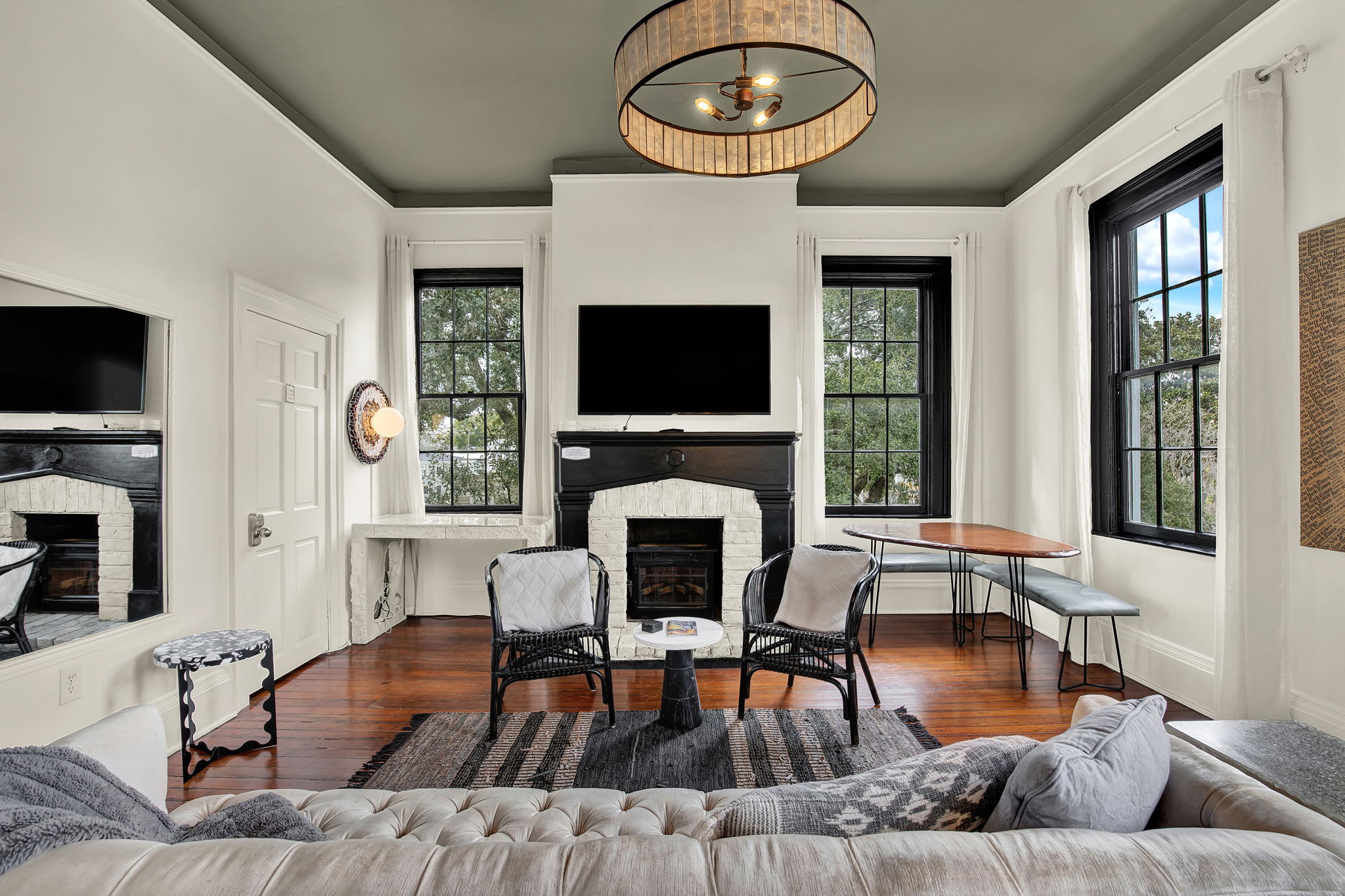
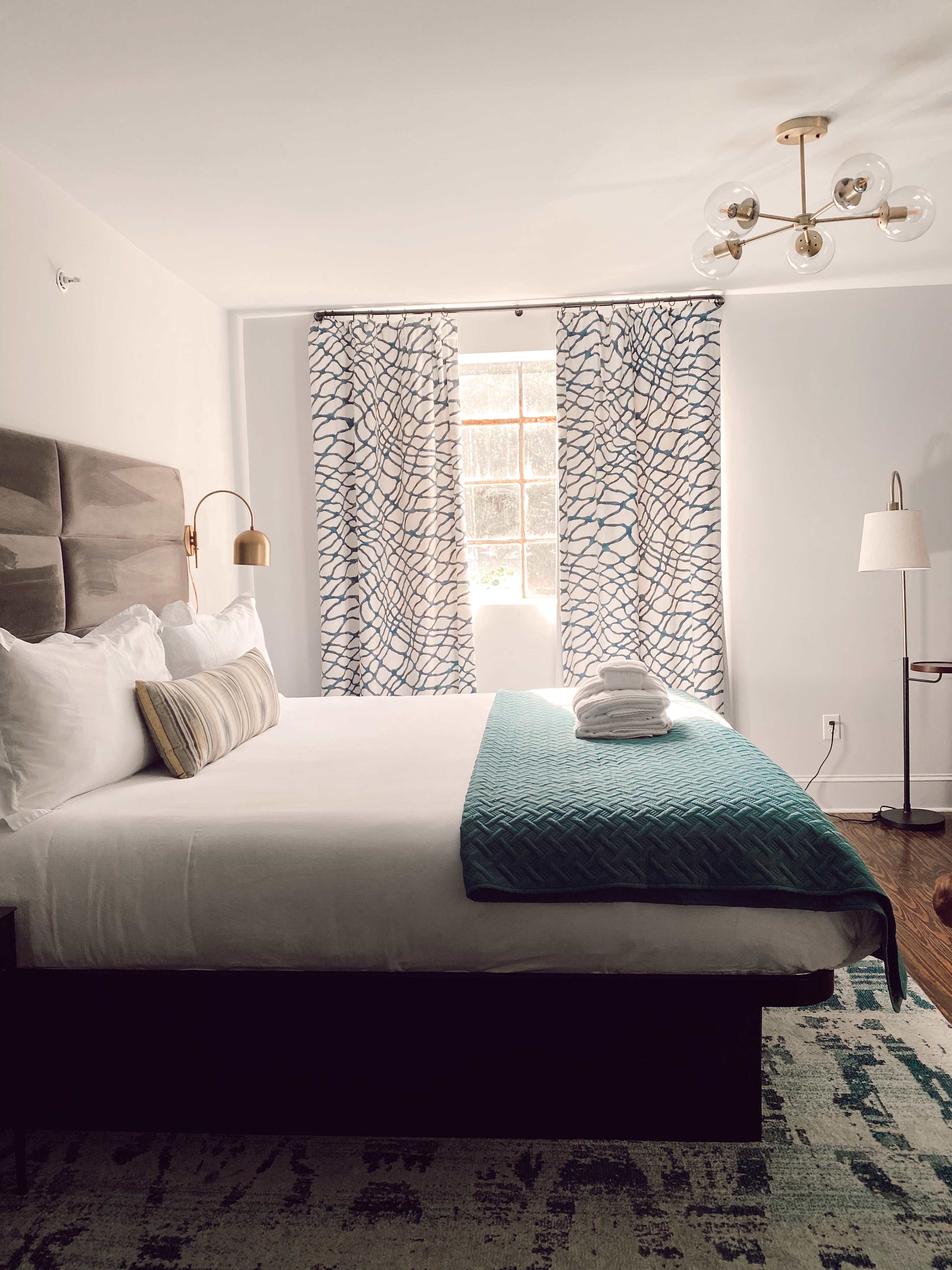
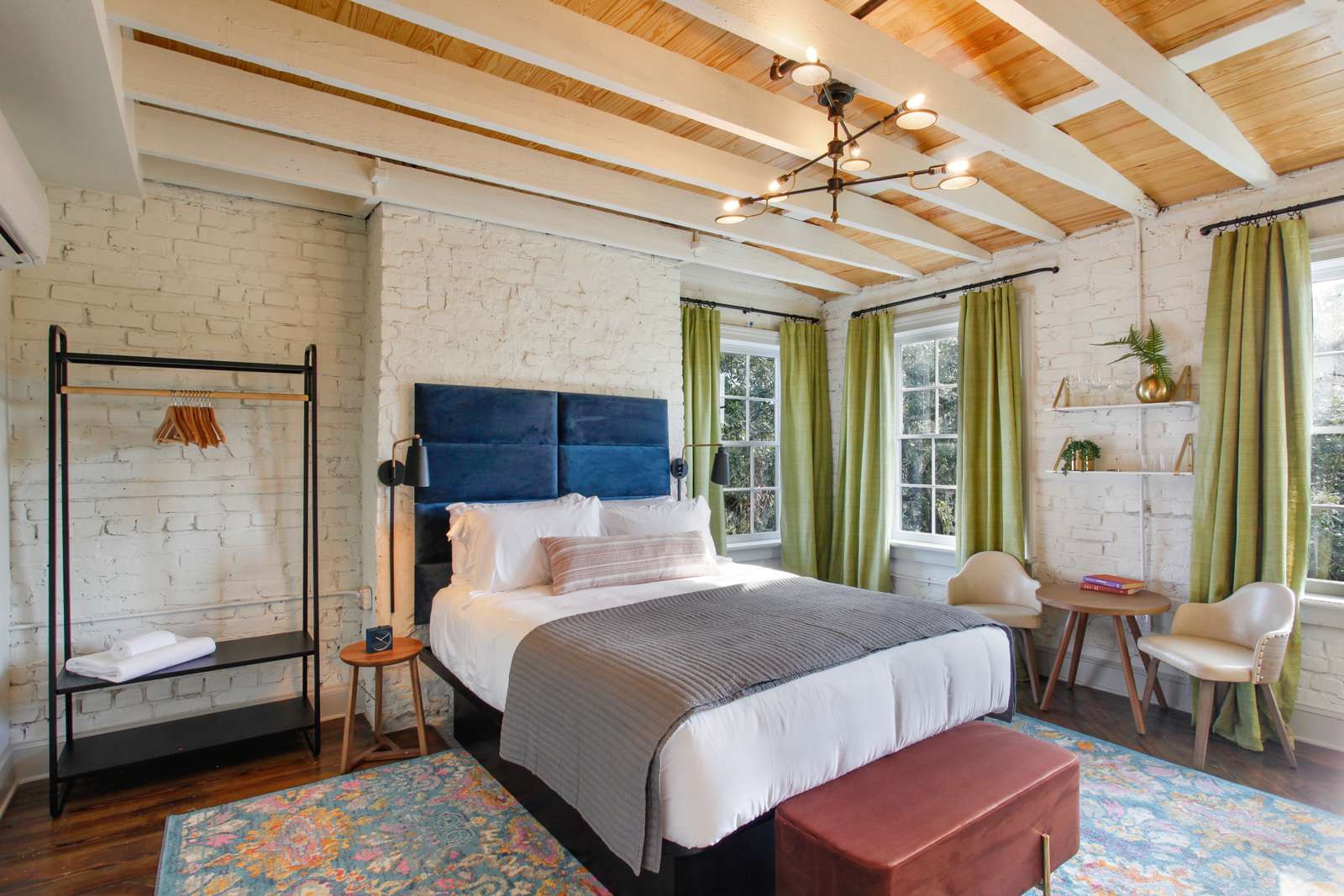
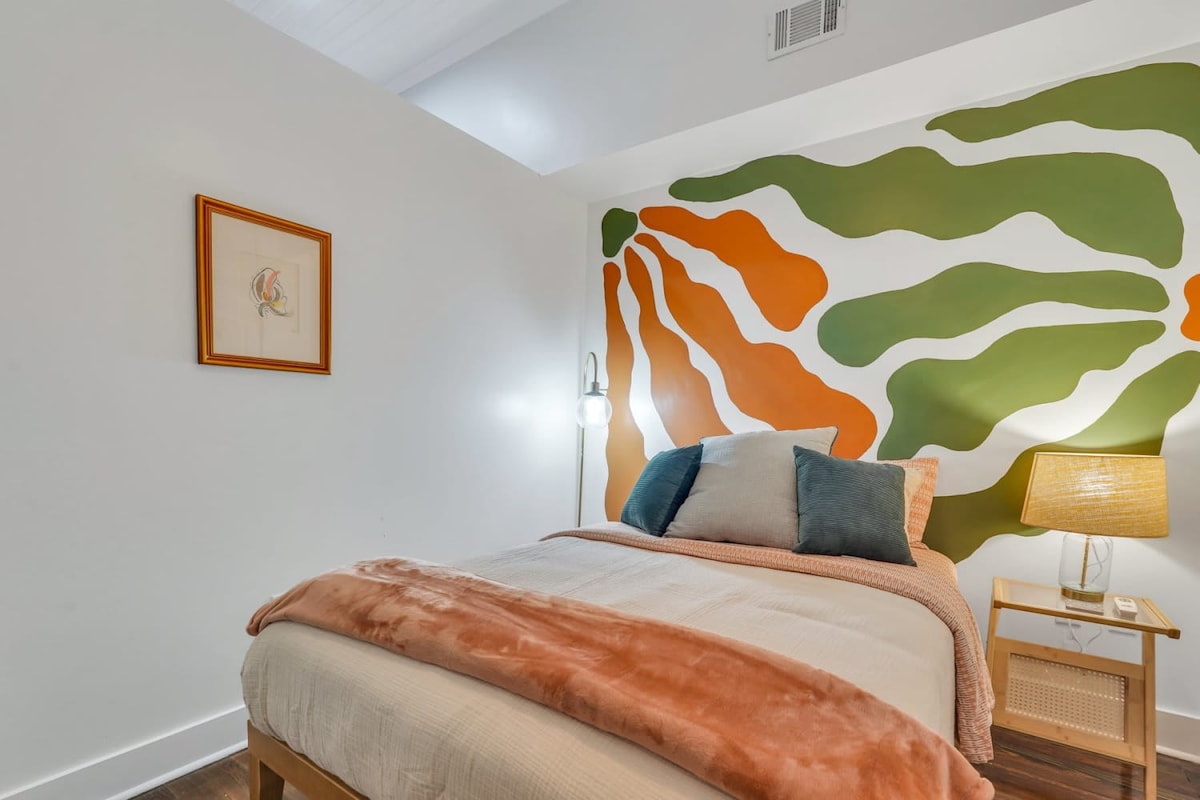
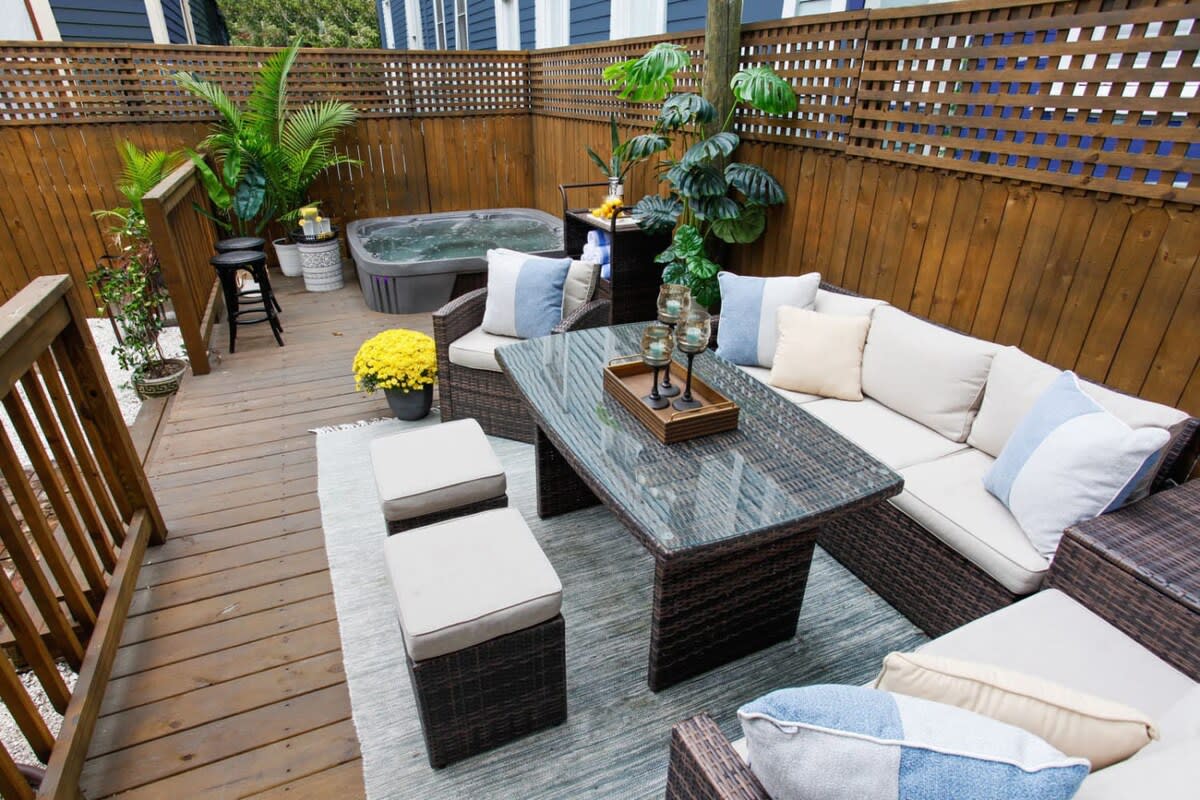
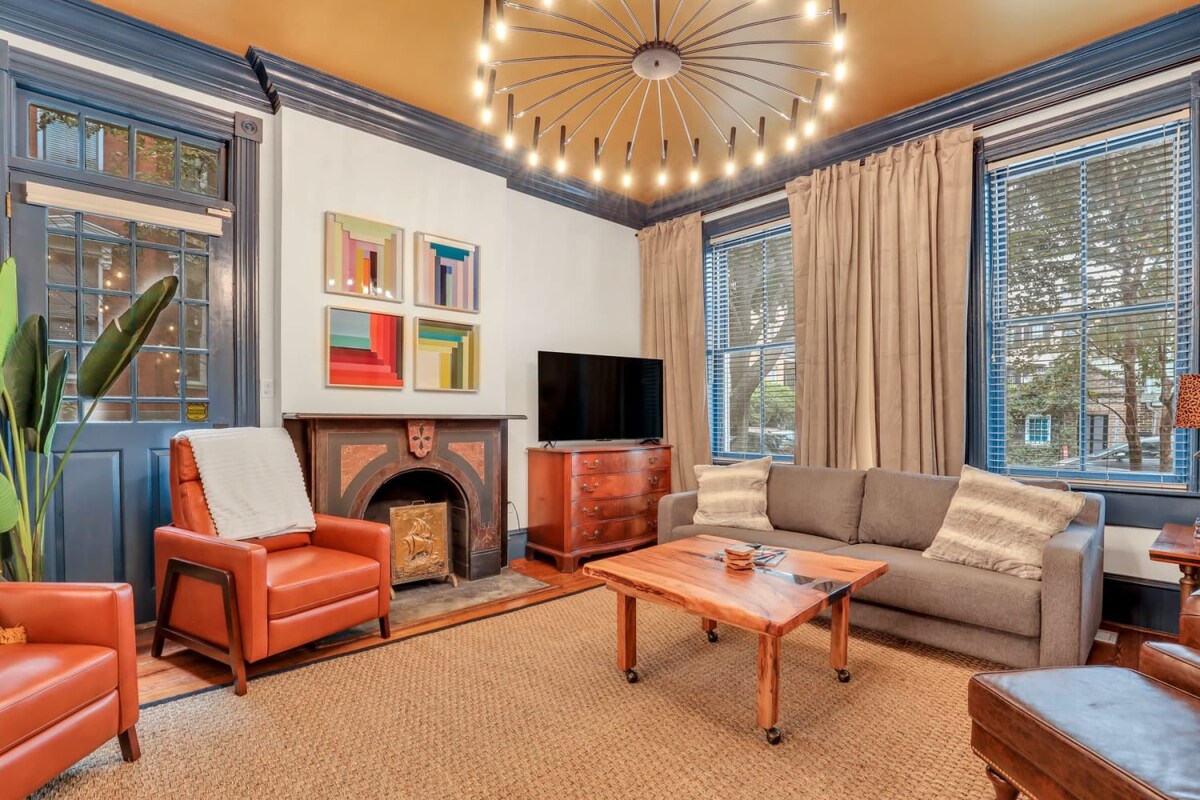
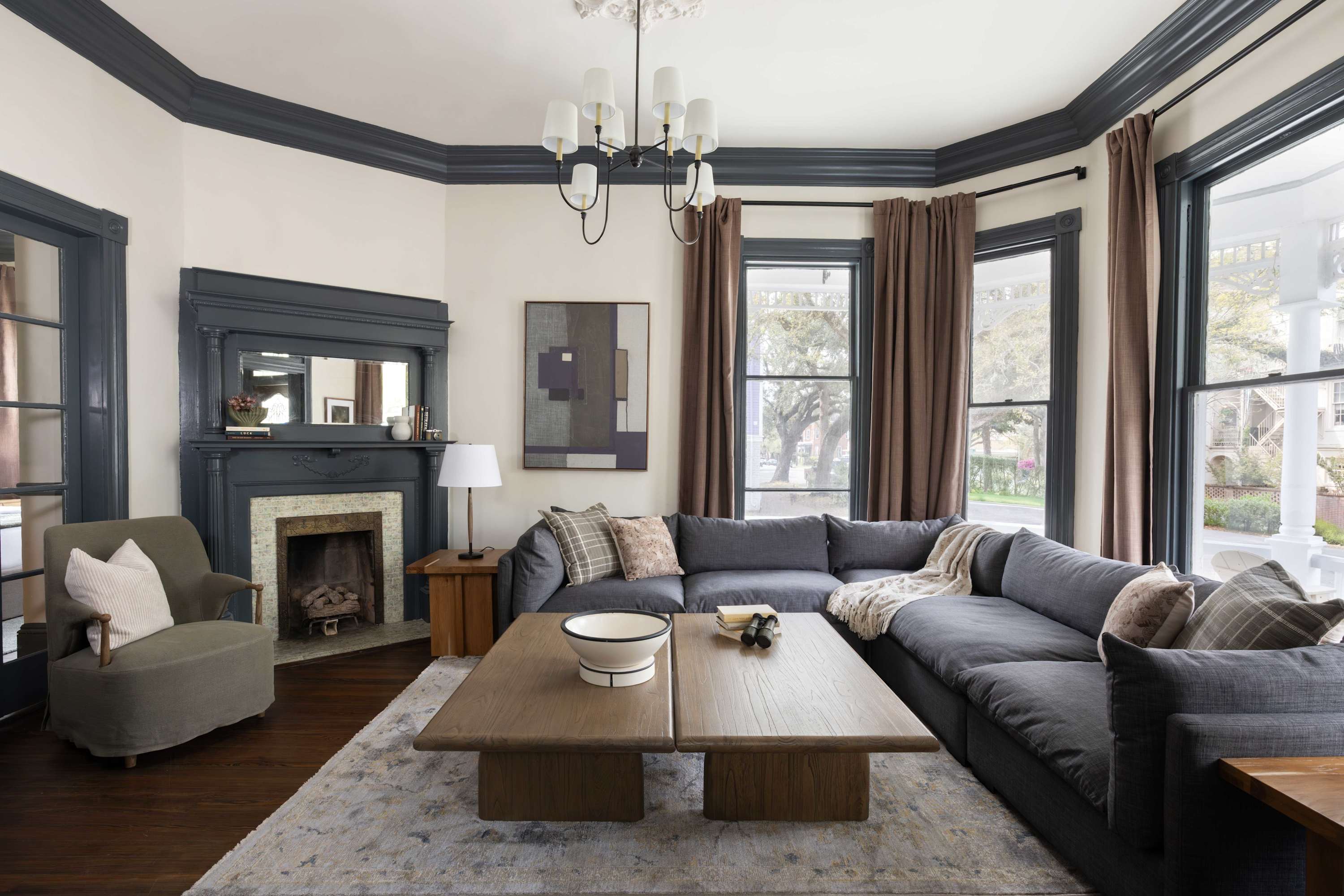
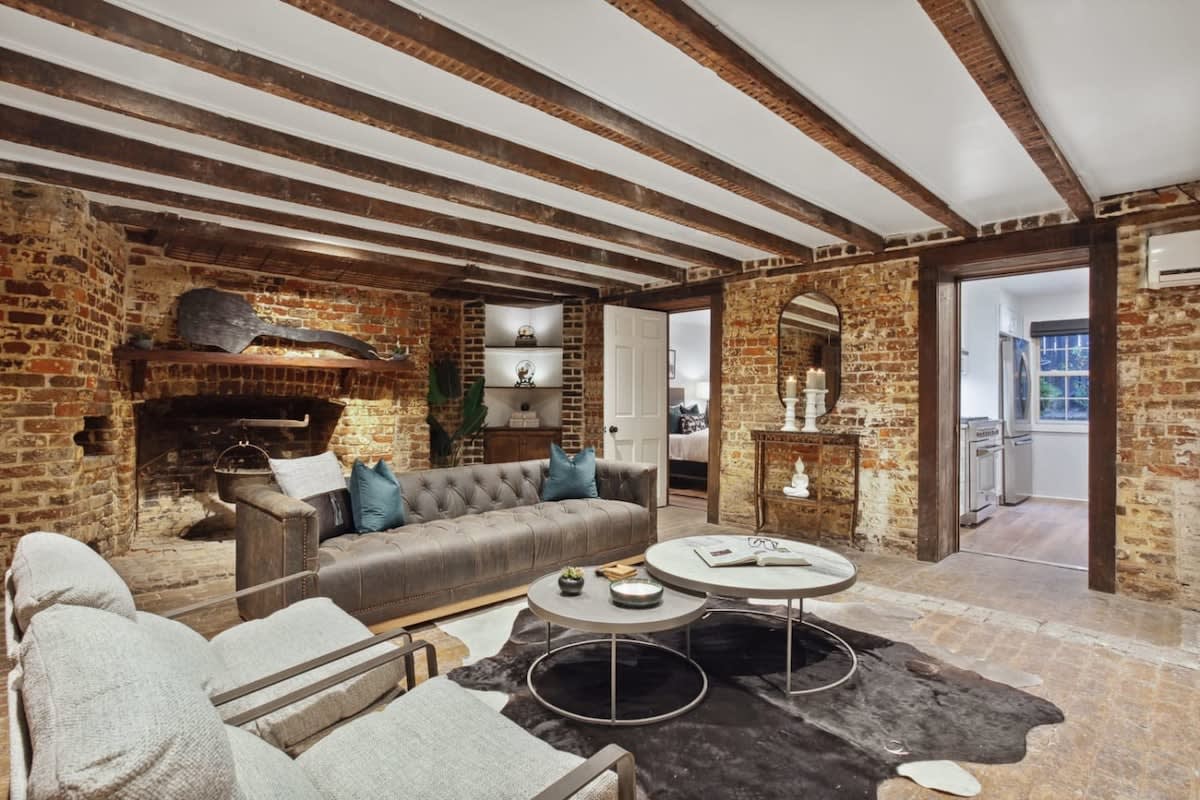
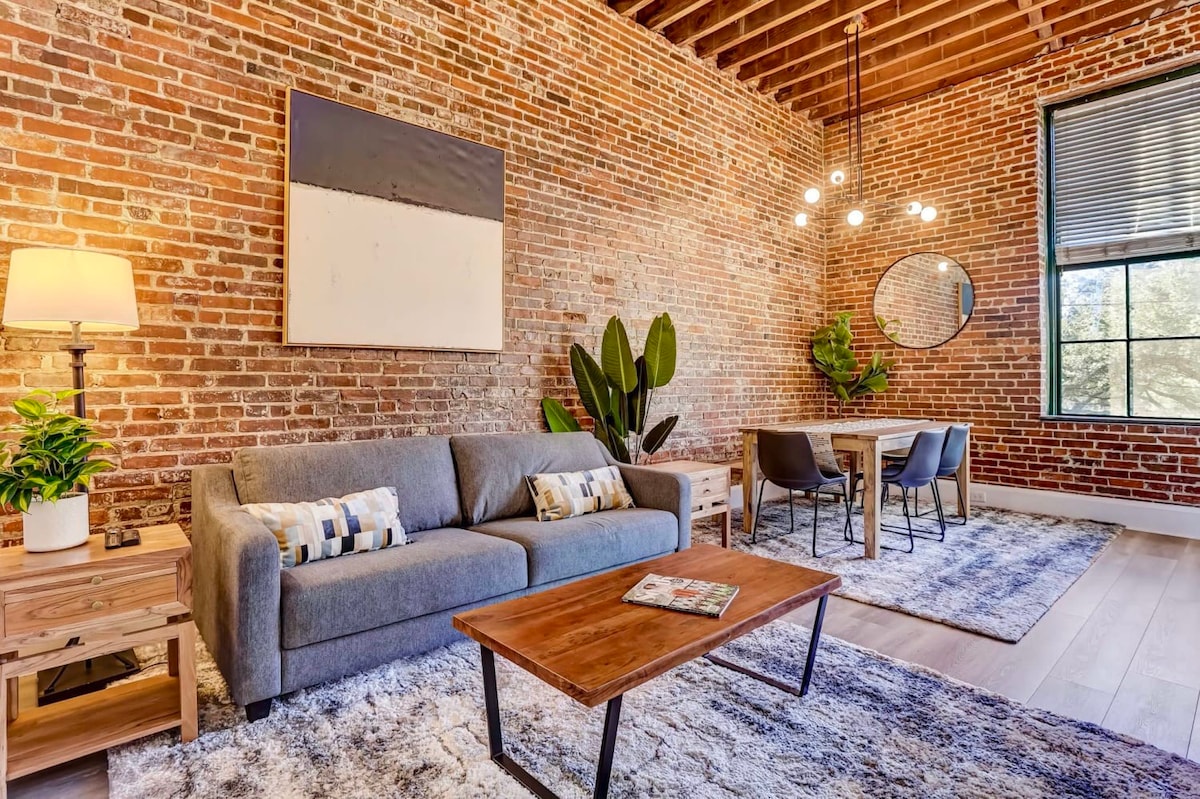
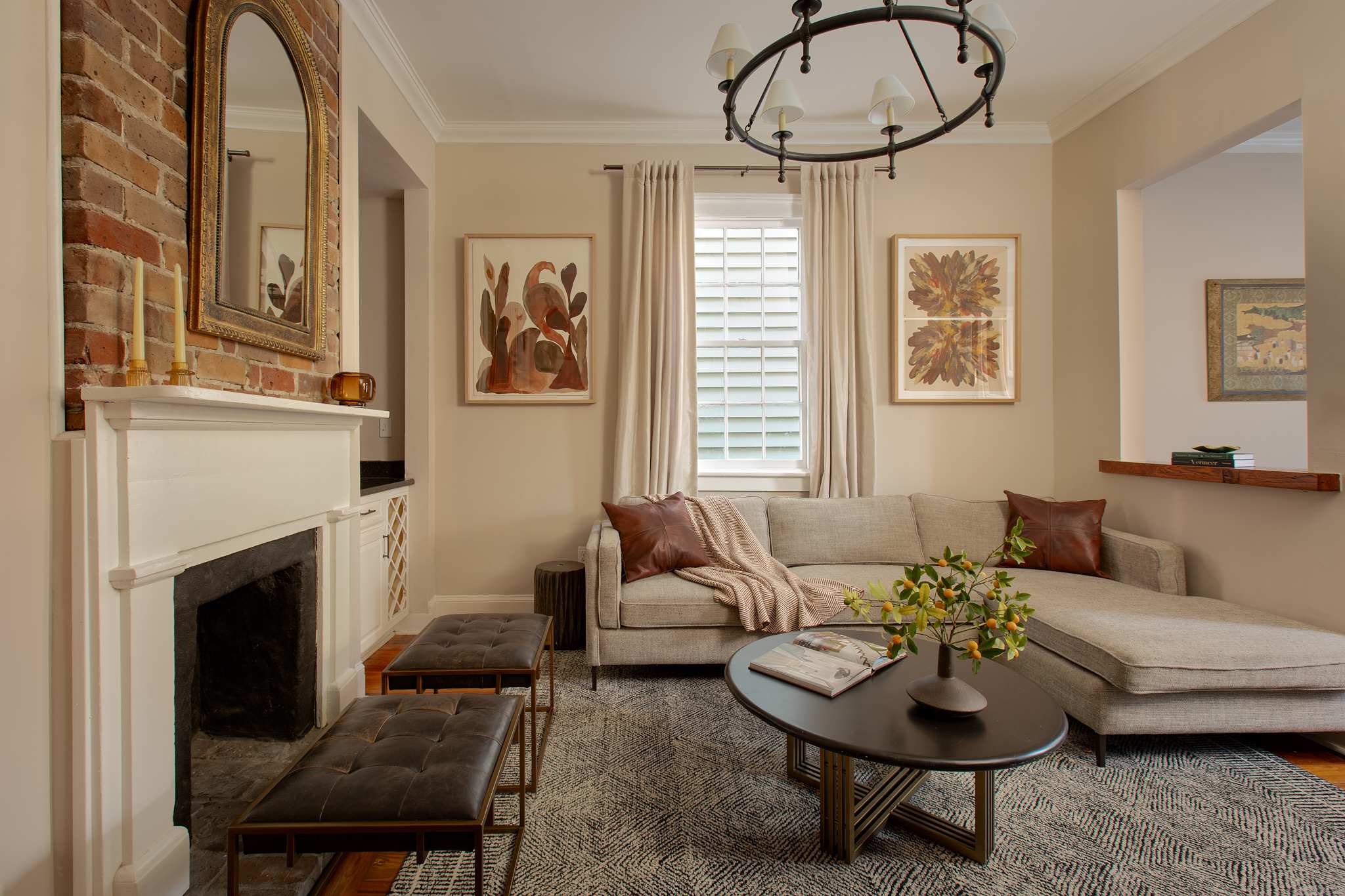
Top-rated independent stays in the region, ranked by CielStay authenticity score.
Try a search
Searches inspired by this guide — describe the vibe you want.
More guides


Nearby landmarks & attractions
Key destinations and attractions in the Savannah, GA area.
Forsyth Park ↗ Maps
Savannah's green centerpiece — the iconic fountain, Saturday farmers market, and the city's most beloved gathering space.
River Street ↗ Maps
Renovated cotton warehouses along the Savannah River — restaurants, shops, and the historic cobblestone waterfront.
Bonaventure Cemetery ↗ Maps
One of America's most hauntingly beautiful cemeteries — Spanish moss-draped live oaks and the grave of Johnny Mercer.
This guide was assembled from the local knowledge of hosts with properties throughout Savannah, GA, as indexed by CielStay. The descriptions of restaurants, trails, swimming holes, and local tips reflect what hosts share with guests in their listings — not the observations of a travel journalist or guest reviewer. Photos are sourced from host listing images and are credited to their respective listings. Information about permits and trail conditions may change; always verify with official sources before your trip.