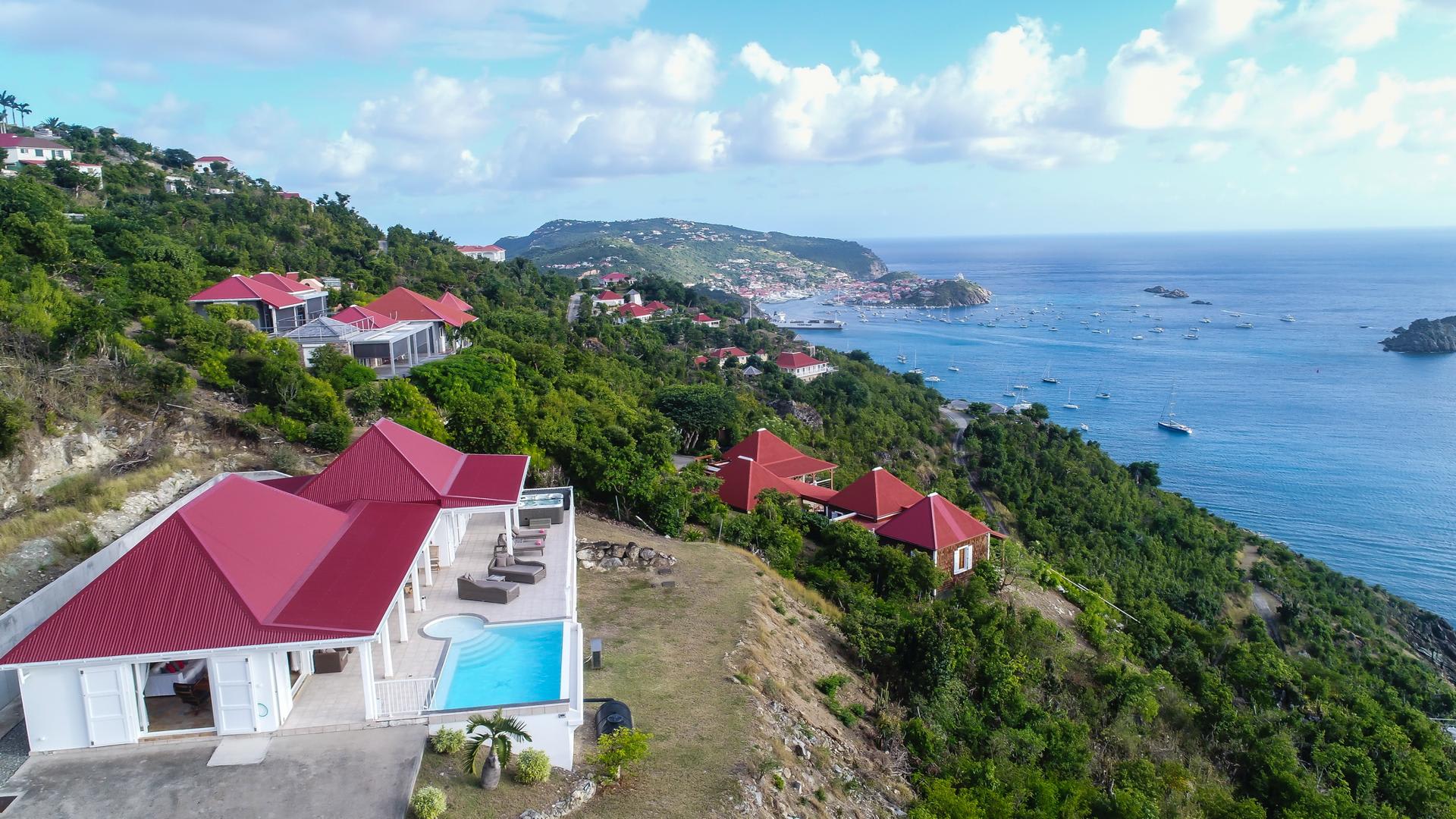
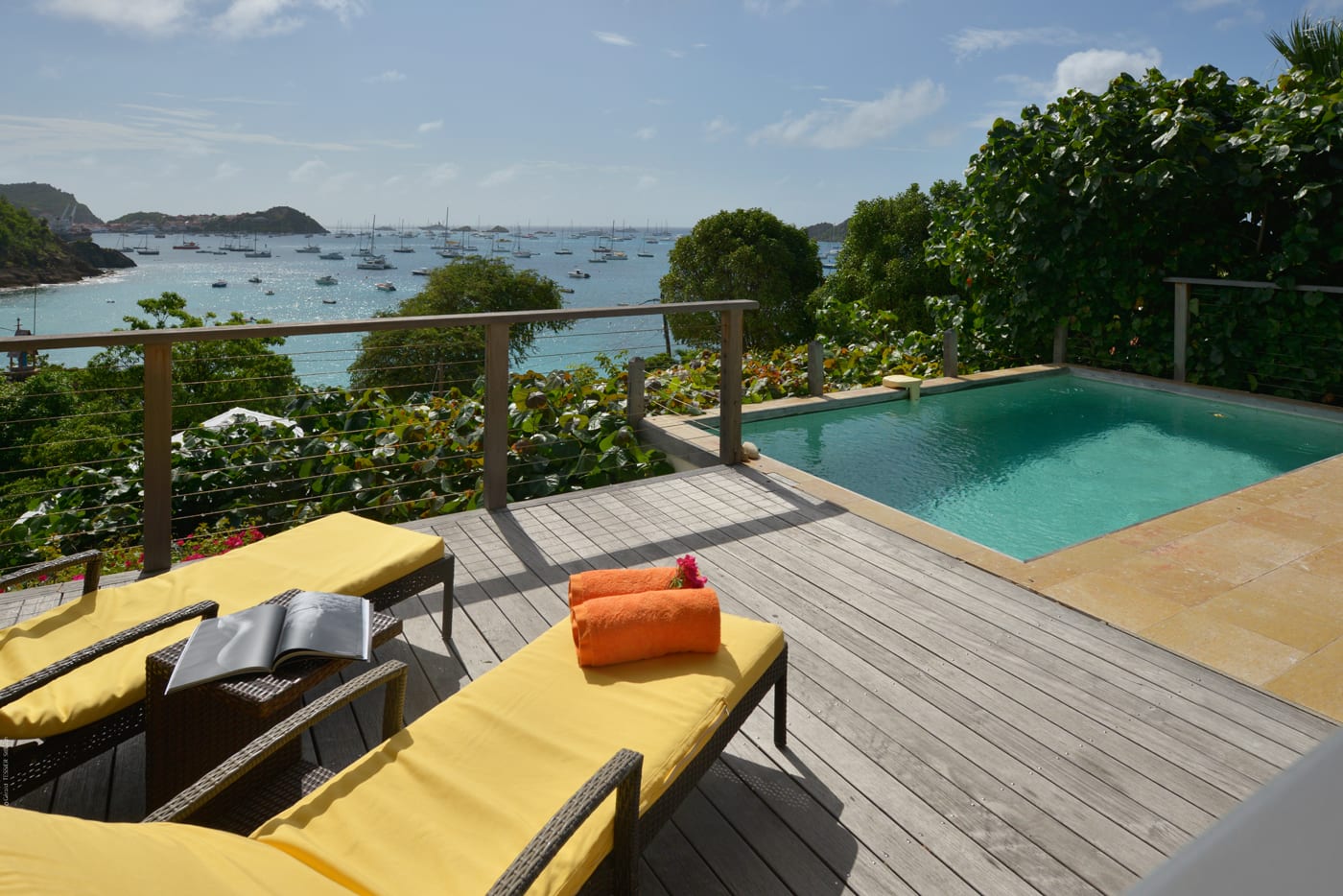
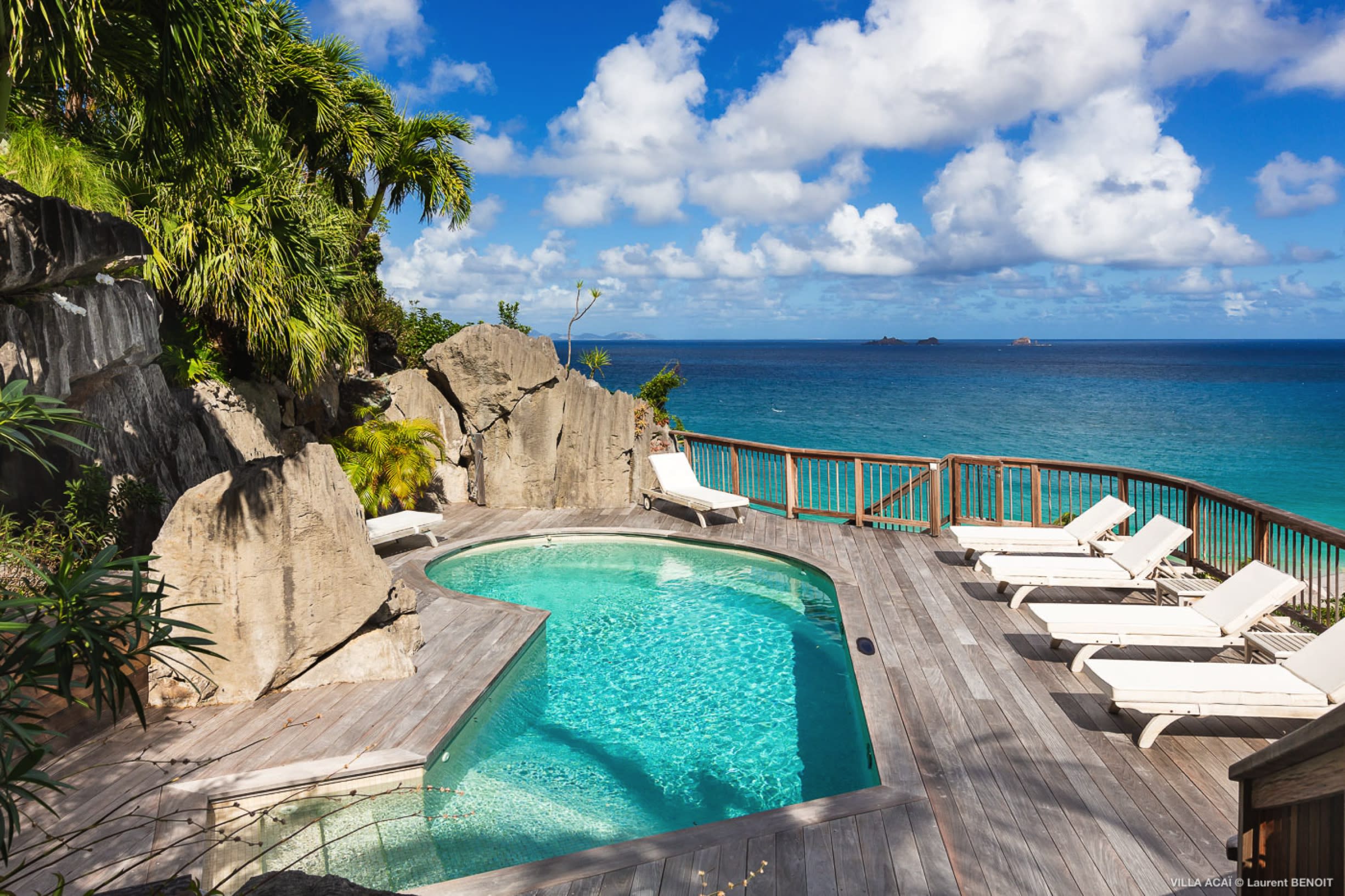
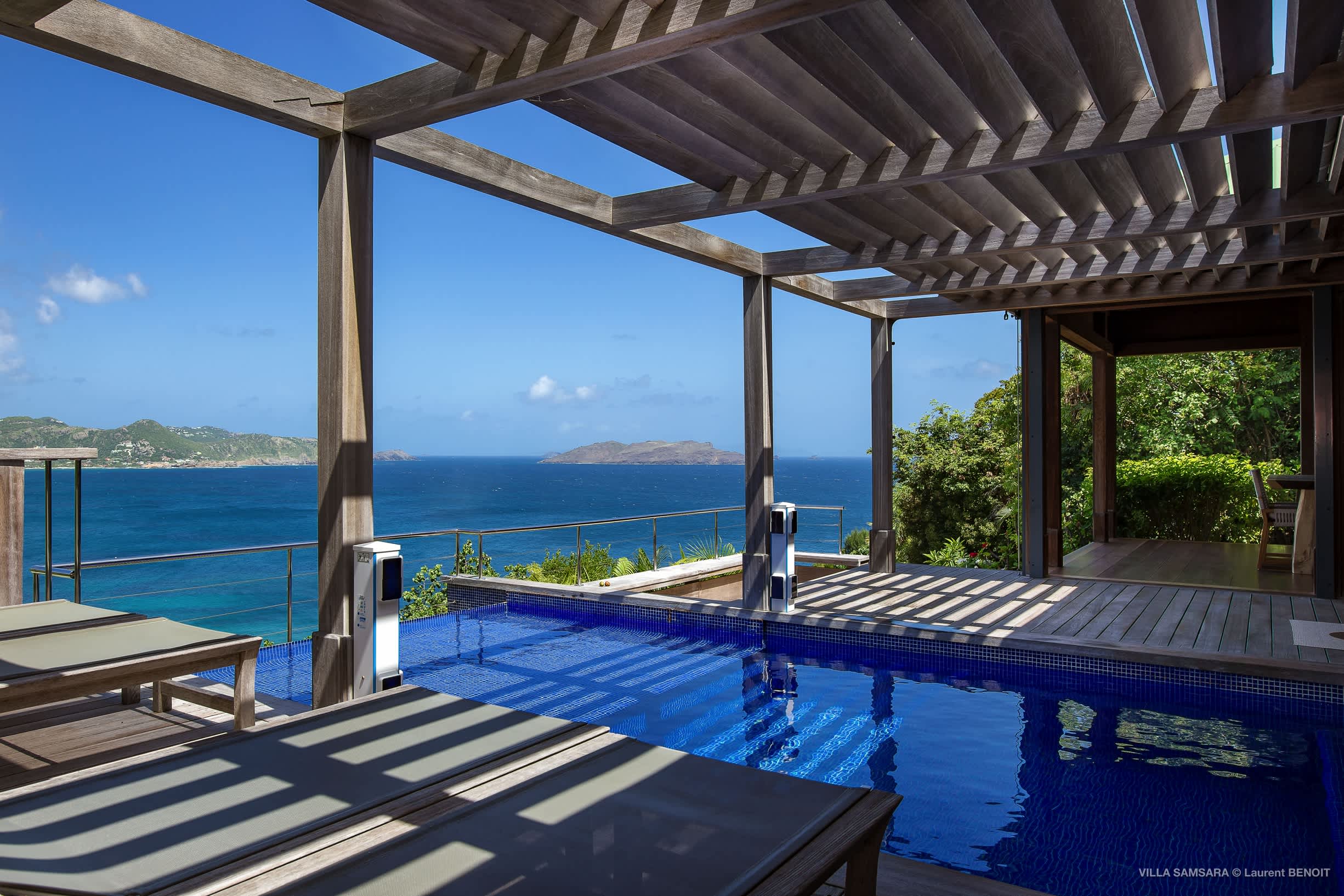
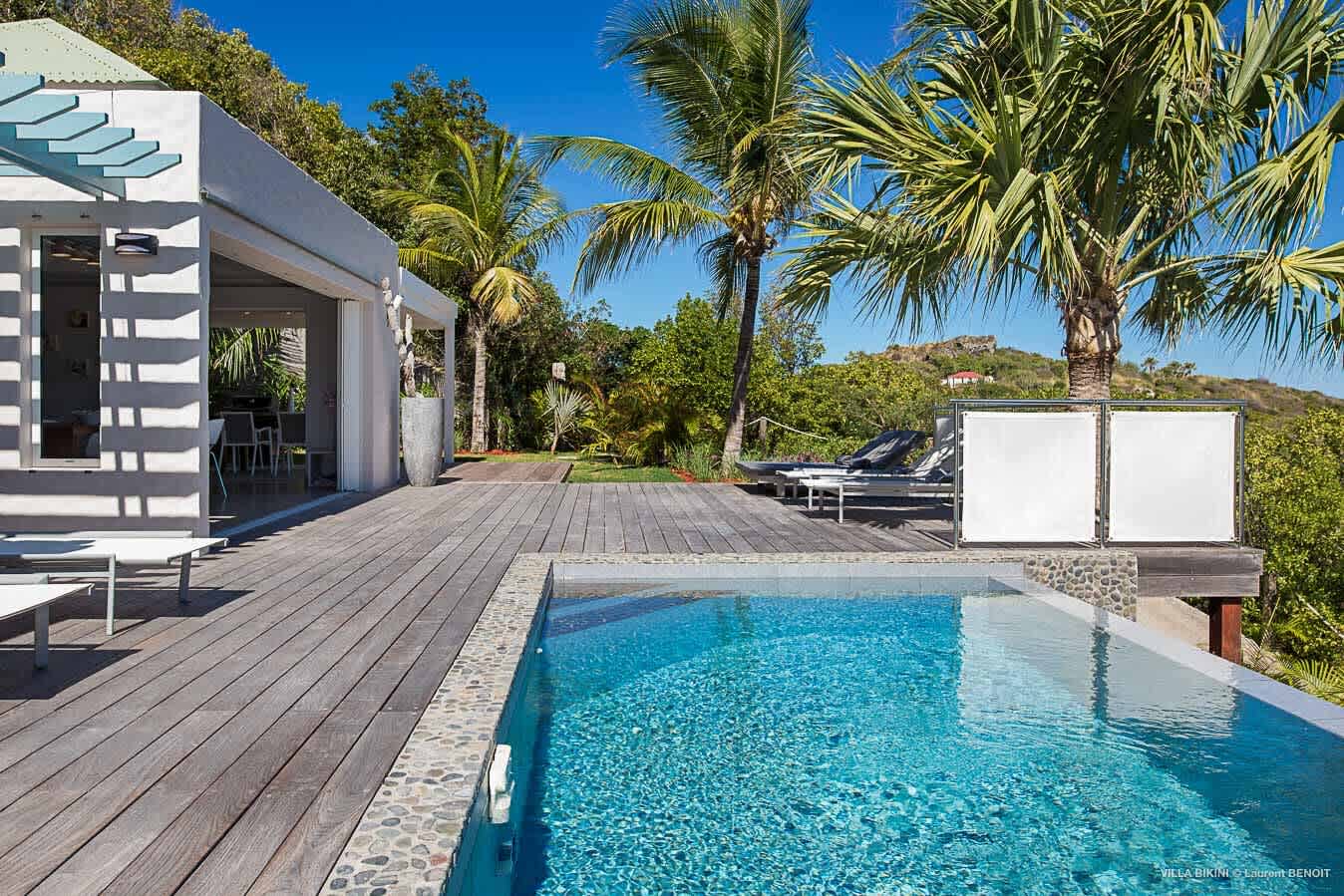
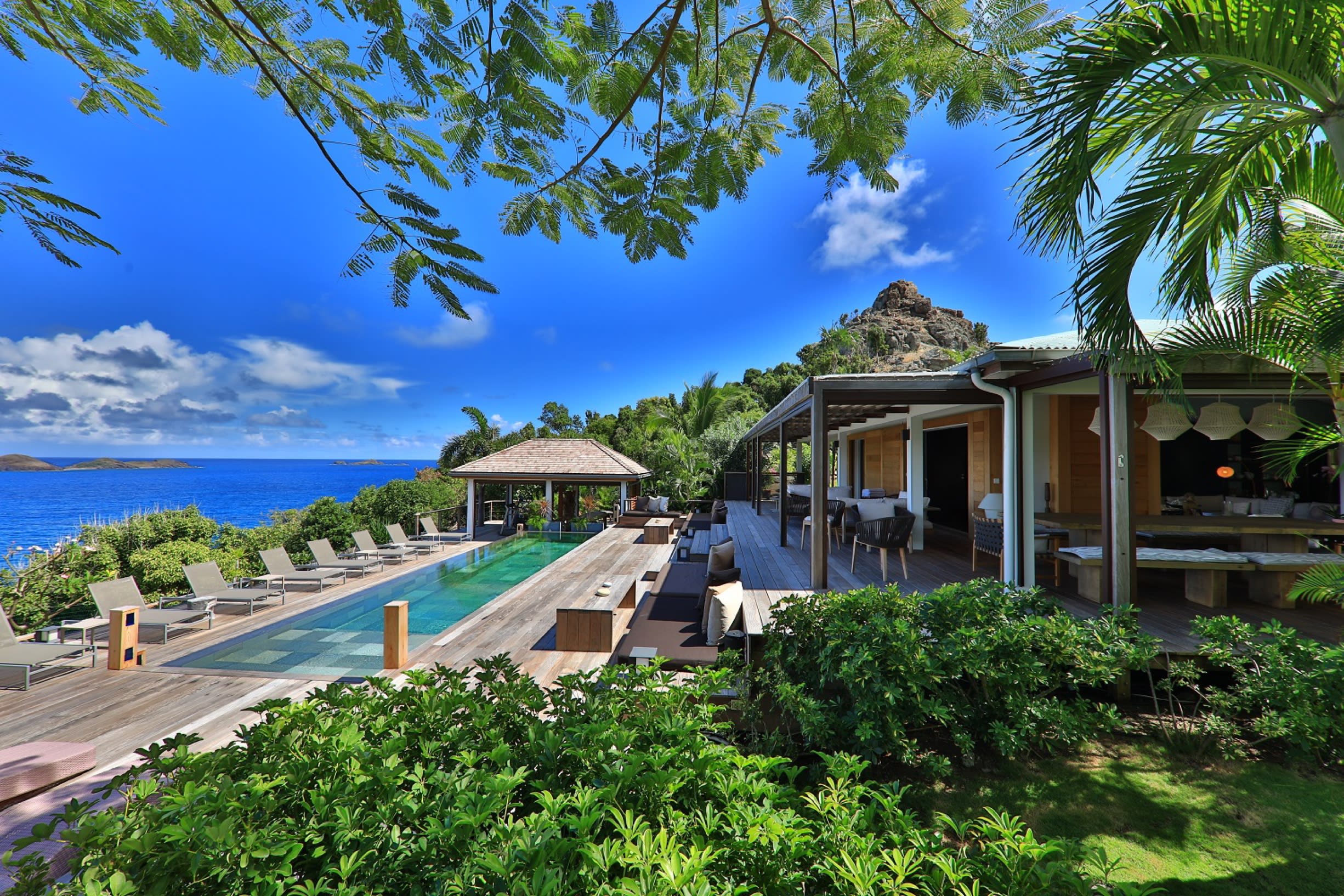
St Barthélemy is eight square miles of steep green hills, red-roofed villas and around a dozen beaches, all of them public. There are no high-rise hotels, no casinos and no cruise-ship crowds on most days. It is the Caribbean as a French village, with a harbour full of yachts. Its visitors mostly stay in villas rather than hotels, and CielStay holds several hundred of them.
This guide covers the beaches, which part of the island suits which kind of stay, and the practical things that make St Barth different from anywhere else in the region.
A French island with a Swedish name
St Barth is a French overseas collectivity. The currency is the euro, the language is French, the bread is excellent, and the lunch break is taken seriously. Its capital, Gustavia, is named after Gustav III of Sweden: France ceded the island to Sweden in 1784, and it was Swedish for almost a century. The street signs are still in both languages.
Gustavia is a small, horseshoe-shaped harbour town with designer shops, restaurants and the island's nightlife. From Shell Beach at its southern tip, a short walk from the centre, you can watch the sun set behind the moored yachts.
The beaches
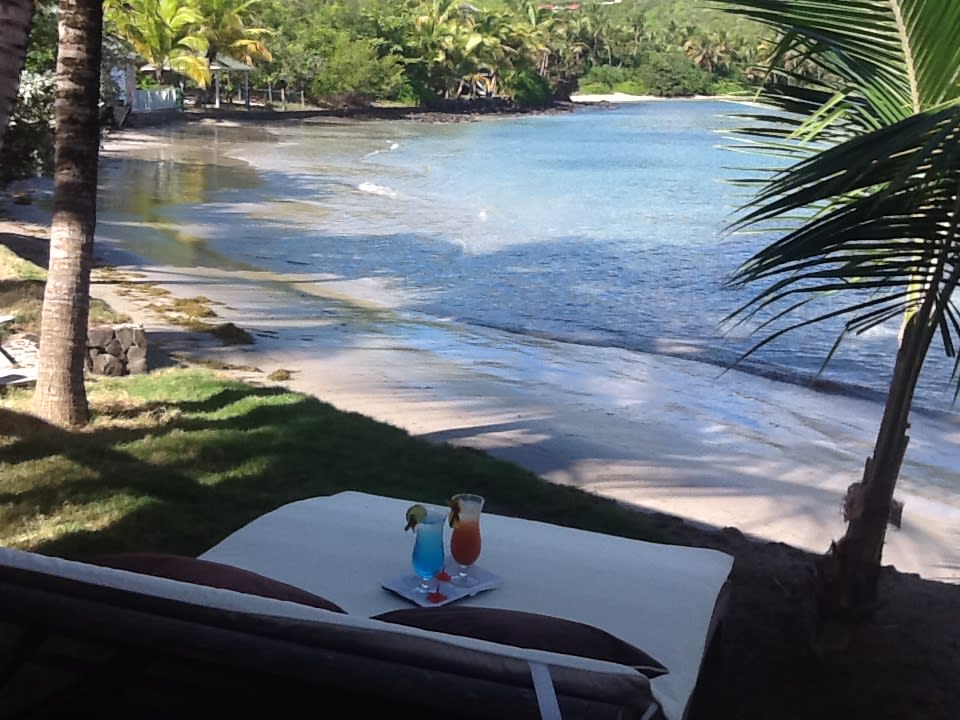
- Saline and Gouverneur, on the south coast, have no buildings behind them at all: a walk over the dune and you are on wide, empty sand.
- Saint-Jean is the island's social centre, beside the airport runway, with beach clubs, restaurants and good swimming inside the reef.
- Flamands, on the north-west coast, is one of the longest beaches, backed by villas and latanier palms and good for families.
- Colombier can only be reached by boat or by a steep half-hour trail, and is the island's best snorkelling spot.
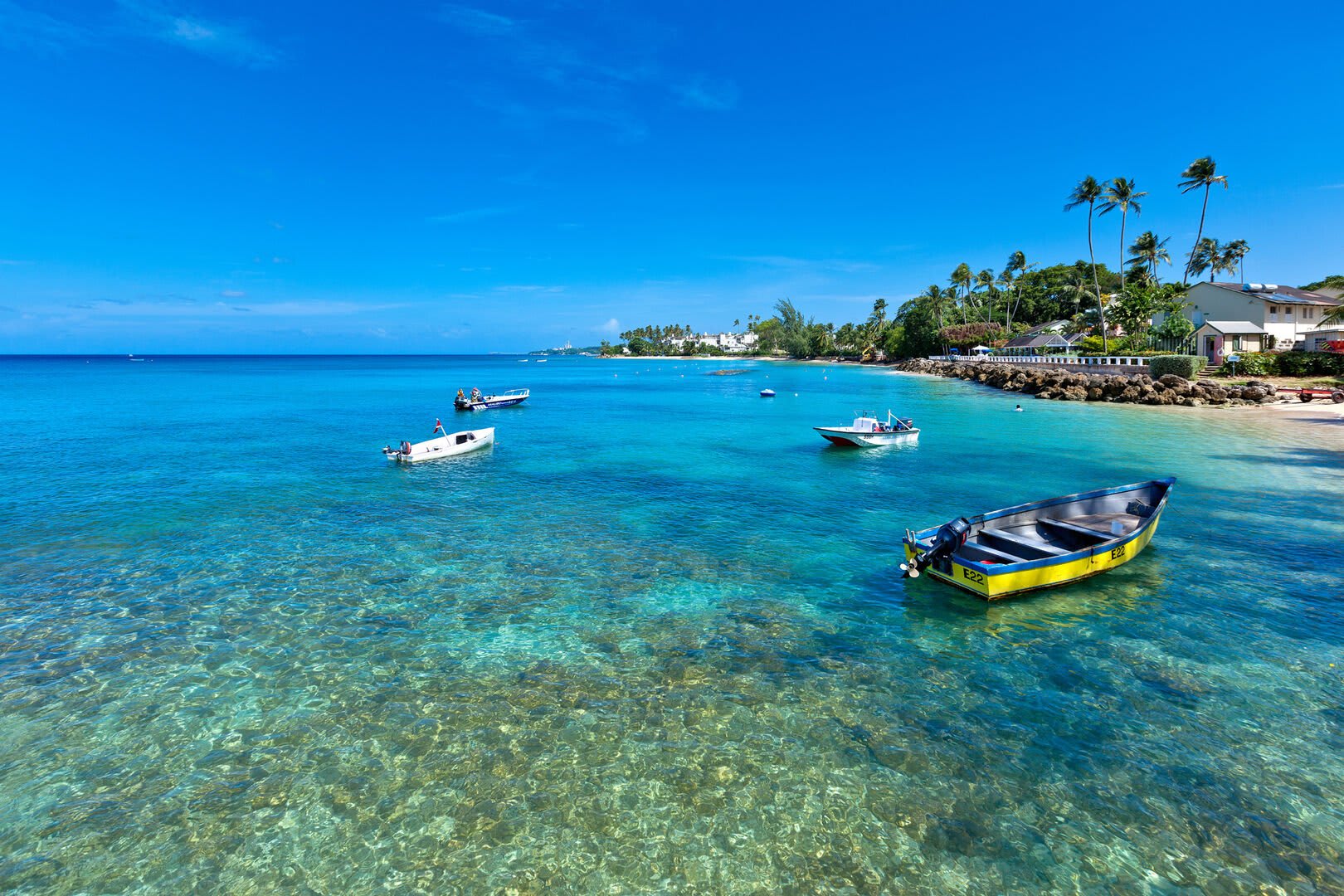
- Lorient is the locals' beach and the island's surf spot. Grand Cul-de-Sac is a shallow, reef-protected lagoon used for kitesurfing and paddleboarding.
Choosing a side of the island
Most villas have a pool and a view, so the choice is less about the house than the neighbourhood. The west, around Corossol, Colombier and Flamands, is where you watch the sunset over the sea. Corossol is also the island's old fishing village, where women still weave straw from the latanier palm.
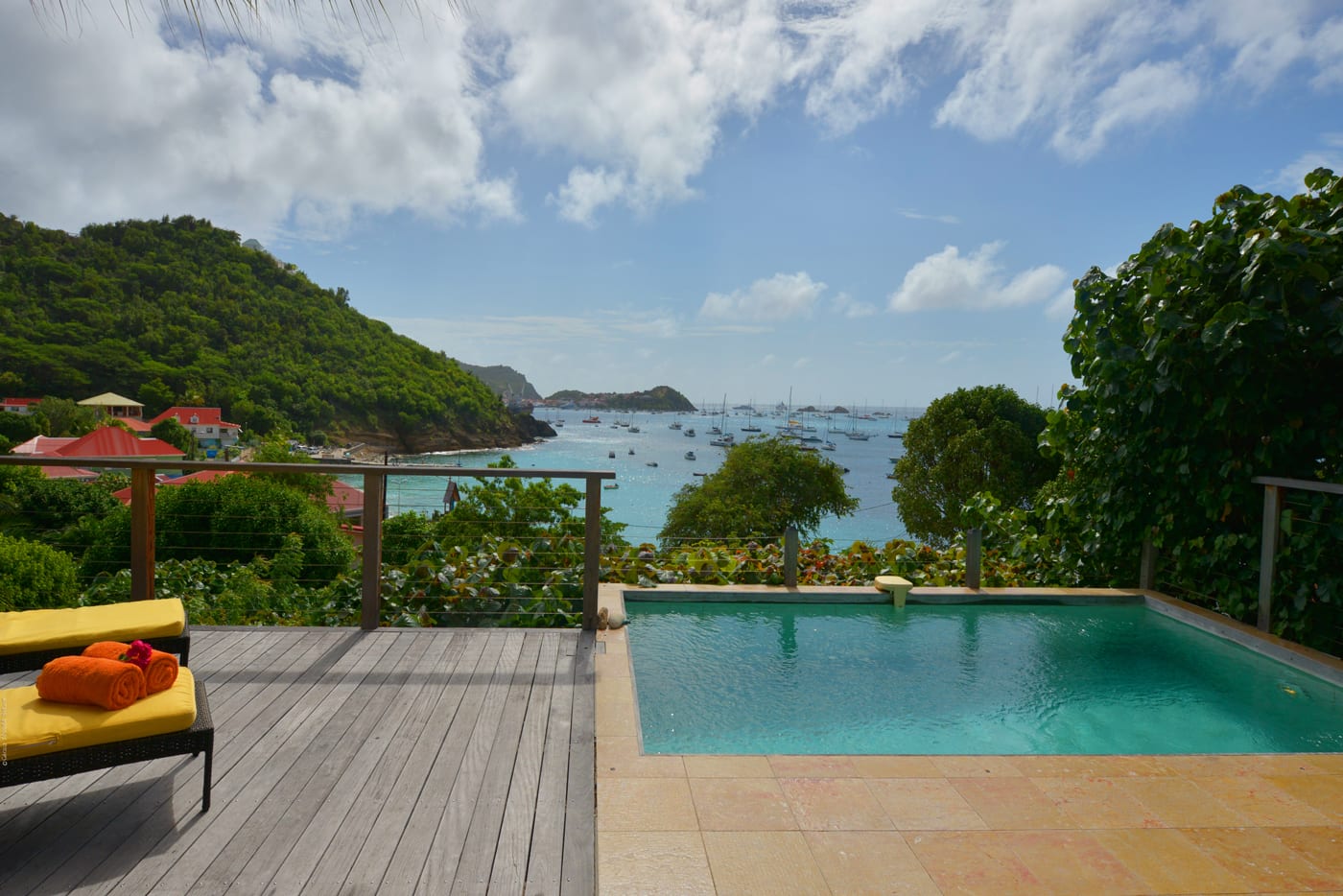
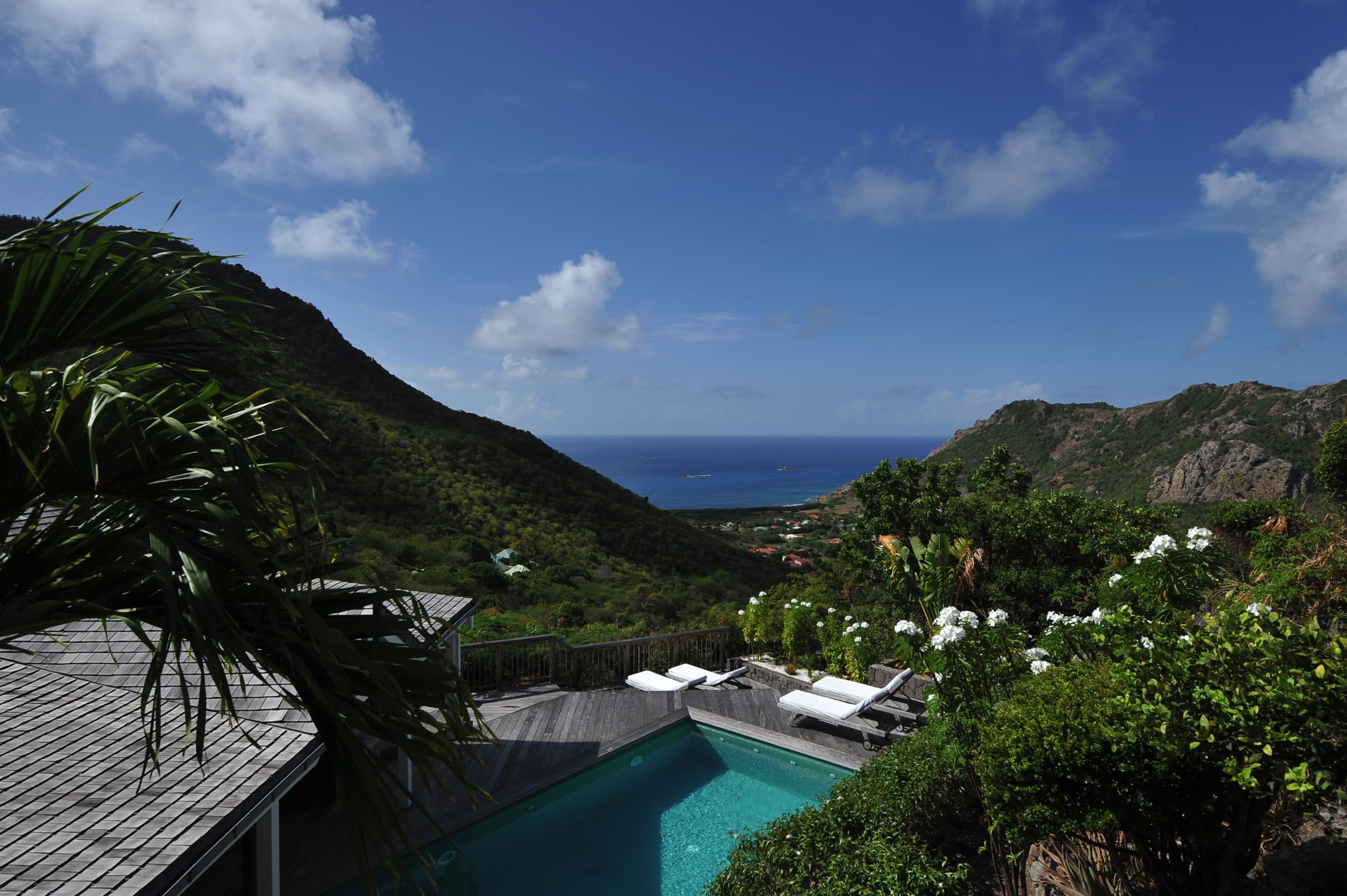
The centre, around Saint-Jean, Lurin and Gustavia, is the most convenient base for restaurants and nightlife. The east, around Pointe Milou, Vitet, Toiny and Grand Cul-de-Sac, is greener, windier and quieter, with sunrise views and villas spread out across the hills.
Practical notes
Getting there: there are no direct long-haul flights. Most visitors fly into Princess Juliana airport on Sint Maarten (SXM), then take a small plane (about fifteen minutes) or a ferry (about 45 minutes) to St Barth. The island's own airport has one of the shortest runways in the Caribbean, landing over the hill onto Saint-Jean beach, and its approach is famous.
Driving: a small car is essential. The roads are steep and narrow, and parking in Gustavia is tight.
When to go: the season runs from December to April. The weeks around Christmas and New Year are the island's busiest and most expensive, with minimum stays of a week or more. Many businesses close from September to October, the peak of hurricane season.
Booking: villa rates are often quoted by the week, and many managers ask you to confirm availability by message before booking. On CielStay, listings that say Please Inquire Before Booking work this way, and are real villas.
Find your base in St Barthélemy — browse stays indexed by CielStay.
Search stays on CielStay →Frequently asked questions
How do you get to St Barth?
Most visitors fly into Princess Juliana International Airport on Sint Maarten (SXM), then take a small plane (about 15 minutes) or a ferry (about 45 minutes) to St Barth. There are no direct long-haul flights to the island itself.
What is the best beach on St Barth?
It depends on what you want. Saline and Gouverneur are wide and completely undeveloped; Saint-Jean has beach clubs and calm water inside the reef; Colombier, reached by boat or on foot, is best for snorkelling; and Grand Cul-de-Sac is a shallow lagoon good for children and kitesurfing.
When is the best time to visit St Barth?
December to April is the high season, with the busiest and most expensive weeks around Christmas and New Year, when villas often require a stay of a week or more. Many businesses close in September and October, at the peak of hurricane season.
Why do some St Barth villas say "Please Inquire Before Booking"?
Many St Barth villa managers confirm availability and rates by message before taking a booking, especially for weekly stays in high season. On CielStay, those listings are real villas; send the manager your dates first.
Stays near this guide
Top-rated independent stays in the region, ranked by CielStay authenticity score.
Try a search
Searches inspired by this guide — describe the vibe you want.
More guides
Nearby landmarks & attractions
Key destinations and attractions in the St Barthélemy area.
Gustavia ↗ Maps
The harbour capital, named after King Gustav III of Sweden.
Saline Beach ↗ Maps
A wide, undeveloped beach behind the dunes on the south coast.
Colombier Beach ↗ Maps
Reached only by boat or trail, and the best snorkelling on the island.
Gouverneur Beach ↗ Maps
A secluded south-coast bay with views to Saba and St Kitts.
This guide was assembled from the local knowledge of hosts with properties throughout St Barthélemy, as indexed by CielStay. The descriptions of restaurants, trails, swimming holes, and local tips reflect what hosts share with guests in their listings — not the observations of a travel journalist or guest reviewer. Photos are sourced from host listing images and are credited to their respective listings. Information about permits and trail conditions may change; always verify with official sources before your trip.