Poles have been going to the Baltic for their summer holidays for over a century, and the coast west of Gdańsk is still where most of the country spends July. Foreign visitors mostly skip it. That is their loss: two hundred kilometres of white sand, pine forest behind the dunes, spa towns built for the brine and the sea air, and a holiday rhythm that has barely changed since the sanatorium era.
CielStay holds well over a thousand homes along this coast, most of them apartments in the resort towns between Świnoujście and Łeba. This guide works from west to east. For Gdańsk, Gdynia and Sopot, see Gdańsk vacation rentals; for the whole country, Poland.
How the Baltic works
The Polish coast is one long beach. The sand is fine and pale, public, and backed almost everywhere by dunes and pine woods. The water is cool: around 18 to 20°C in a good August, and bracing the rest of the year. Summer days are long, and the season is short and intense, from late June to the end of August, when towns of a few thousand people fill with visitors.
Two things will surprise a first-timer. The first is the parawan, the striped windbreak Polish families stake out around their spot on the sand; the beach turns into a patchwork of them by ten in the morning. The second is amber. After an autumn or winter storm, locals walk the tide line looking for it, and the resort towns are full of amber jewellers.
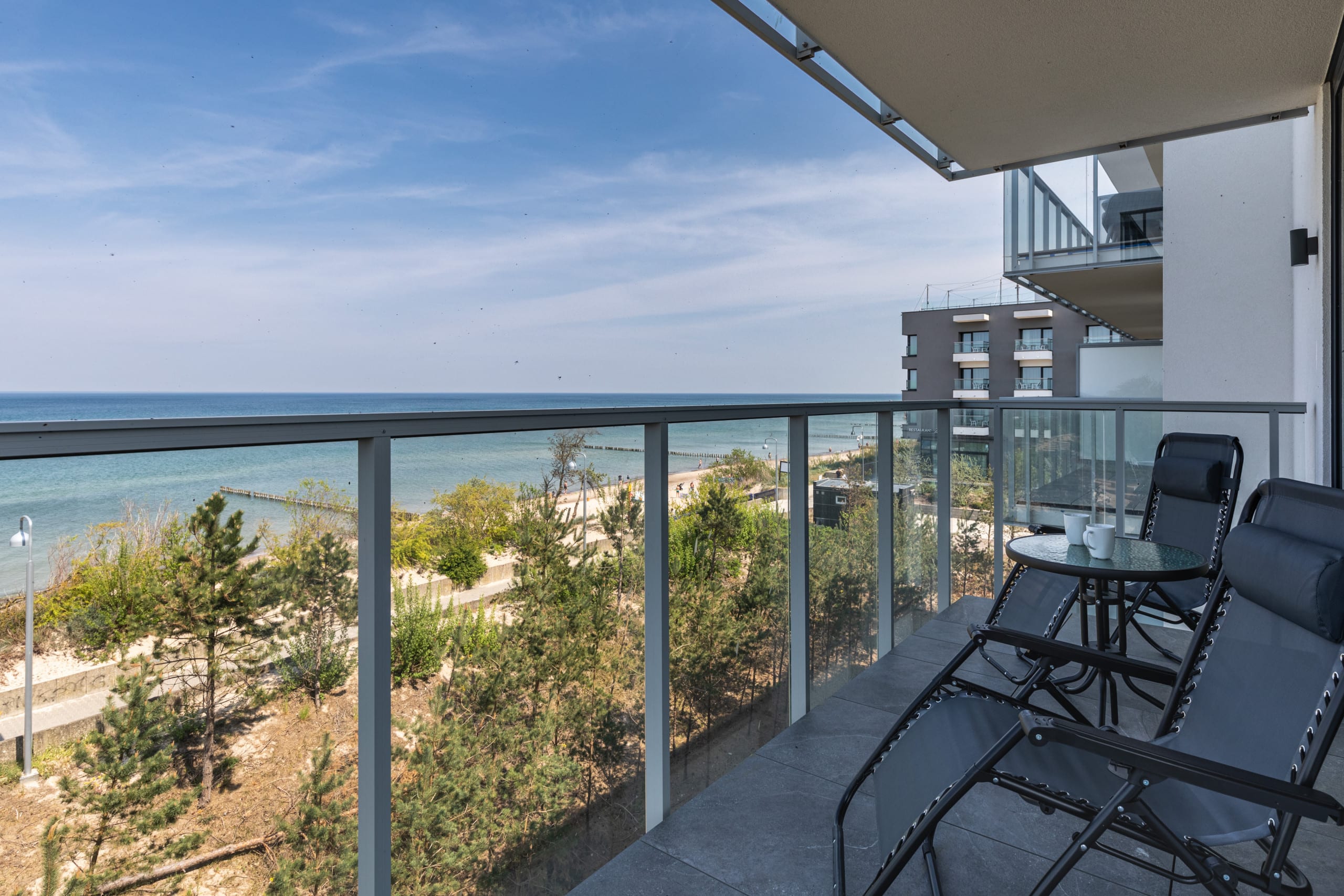
Świnoujście and Międzyzdroje
Świnoujście sits on the islands of Usedom and Wolin at the German border, and has one of the widest beaches on the coast. Its lighthouse is the tallest in Poland, and the tunnel under the Świna, opened in 2023, replaced the ferry that used to be the only way across the town.
Międzyzdroje, fifteen minutes east, is the most famous resort on this stretch: a long pier, a promenade with film stars' handprints, and Wolin National Park starting at the edge of town. The park's cliffs drop straight to the beach, and its bison enclosure is an easy walk from the centre.
The lagoon villages: Dziwnów to Rewal
East of Wolin, a narrow strip of land runs between the open sea and the Kamień Lagoon. The villages here, Międzywodzie, Dziwnów, Pobierowo, Rewal and Niechorze, are smaller and more relaxed than the big resorts, and many apartments are a short walk from both water sides. Families like them for the calm lagoon; windsurfers and kitesurfers for the same reason.
Near Rewal, the ruined church at Trzęsacz stands on the edge of the cliff where the sea has been taking it, wall by wall, for two hundred years. Niechorze has its own lighthouse, which you can climb for a view down the coast.
Kołobrzeg: the spa town
Kołobrzeg is the largest resort on the coast and an official spa town, with a long history of salt springs, brine baths and mud treatments. It has a long sandy beach, a pier, a lighthouse at the harbour mouth and a substantial old town around the Gothic basilica. It is also the best base on this coast outside summer, because the spa hotels keep it busy all year.
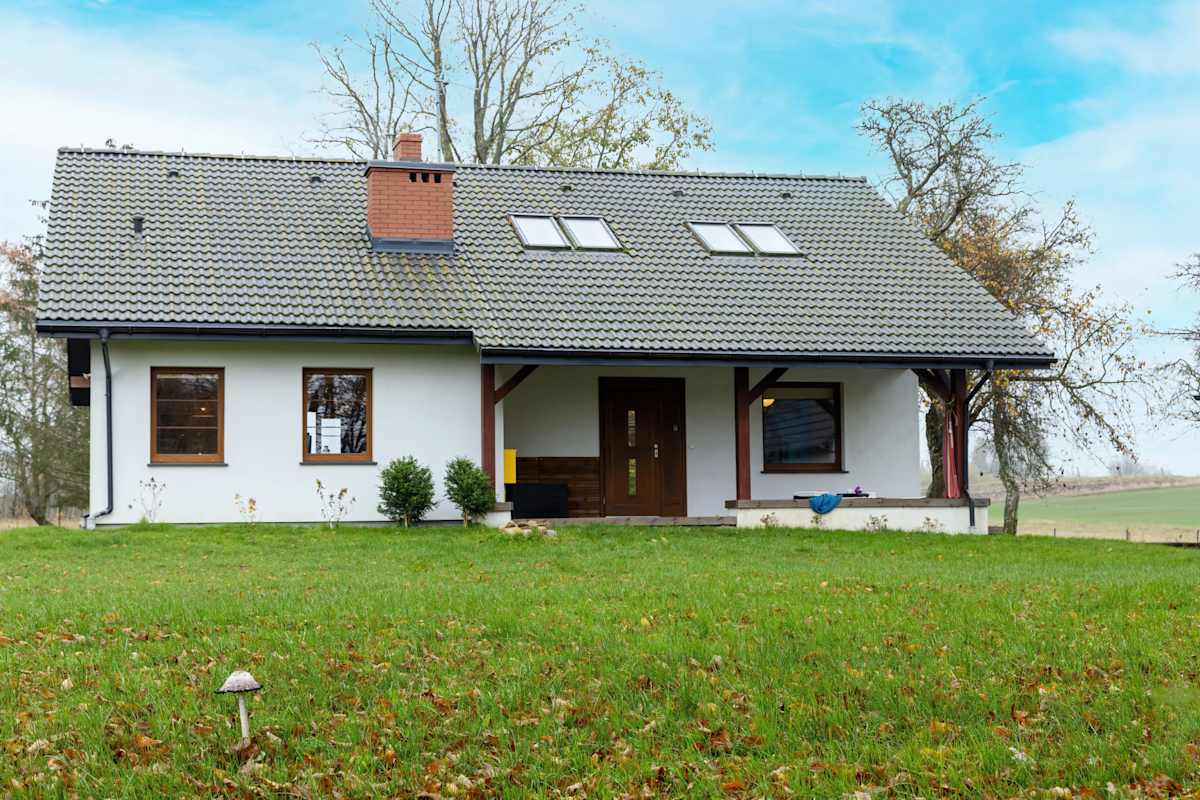
The countryside inland is farmland and villages, and some hosts let whole houses there, a short drive from the beach and far quieter than the towns.
Mielno, Darłowo and Łeba
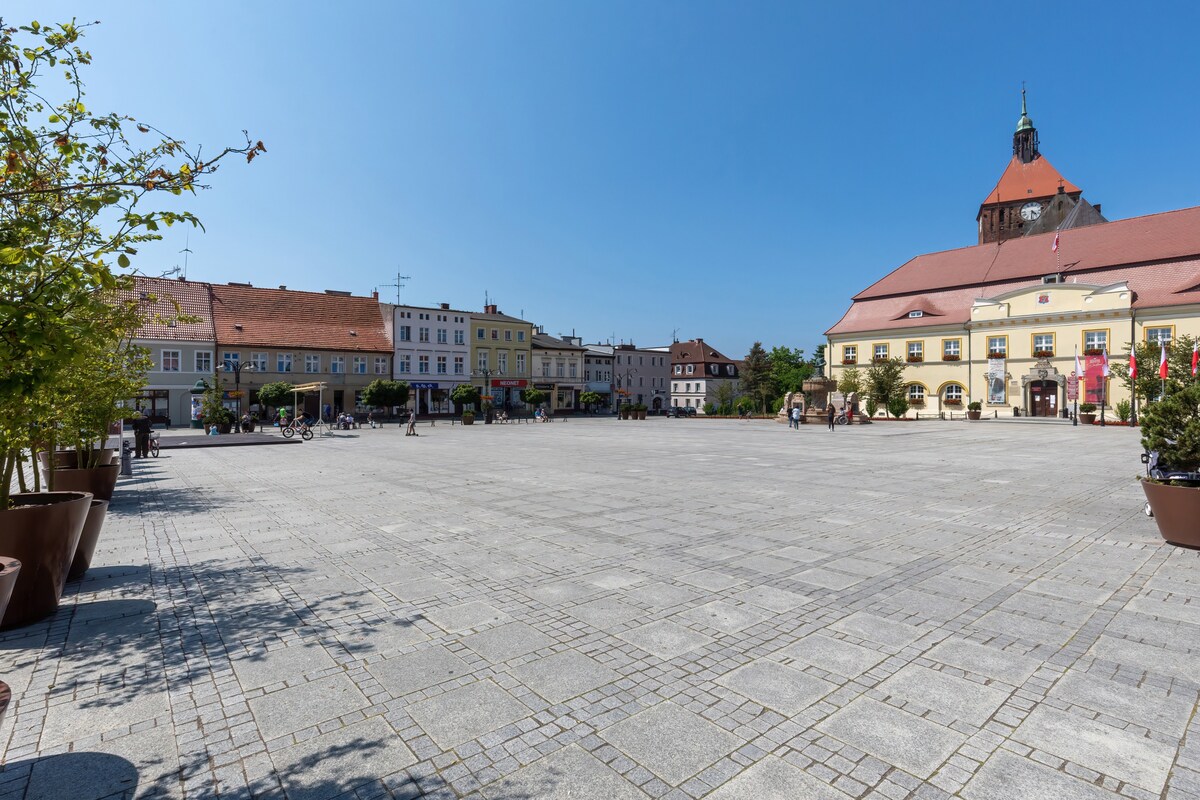
Mielno sits on a sandbar between the sea and Lake Jamno, and is the liveliest of the resorts at night. Darłowo, further east, has a real market town a few kilometres inland from its harbour at Darłówko, and a castle of the dukes of Pomerania.
Łeba is the gateway to Słowiński National Park, whose moving dunes are some of the largest in Europe: hills of bare sand, forty metres high, that shift a few metres inland every year and bury the forest in front of them. Further east, Dębki is a small beach village with a laid-back, younger crowd.
Practical notes
Getting there: Szczecin-Goleniów airport serves the western resorts; Gdańsk serves the east. Berlin is within a few hours' drive of Świnoujście, and many visitors come that way. Trains reach Świnoujście, Kołobrzeg and Łeba, but a car makes the smaller villages much easier.
Local tax: resort towns charge a small per-night opłata miejscowa or, in spa towns, opłata uzdrowiskowa, usually collected by the host.
When to go: July and August for the beach, June and early September for the same weather with half the people. Out of season, Kołobrzeg and Międzyzdroje stay open; the smaller villages largely close.
Find your base in Baltic coast, Poland — browse stays indexed by CielStay.
Search stays on CielStay →Frequently asked questions
When is the best time to visit the Polish Baltic coast?
July and August are peak beach season, with water around 18–20°C and full resorts. June and the first half of September usually bring similar weather with far fewer people. Kołobrzeg and Międzyzdroje stay open year-round; the smaller villages largely close outside summer.
Which Baltic resort in Poland is best for families?
The villages on the strip between the sea and the Kamień Lagoon, such as Międzywodzie, Dziwnów and Pobierowo, are calmer and cheaper than the big resorts, and the lagoon side has shallow, warmer water. Kołobrzeg and Międzyzdroje have more to do on rainy days.
How do I get to the Polish Baltic coast?
Fly into Szczecin-Goleniów for the western resorts (Świnoujście to Kołobrzeg) or Gdańsk for the east (Łeba and the Hel Peninsula). Berlin is a few hours by car from Świnoujście. Trains reach the main towns, but a car is easier for the smaller villages.
Is the Baltic Sea warm enough to swim in?
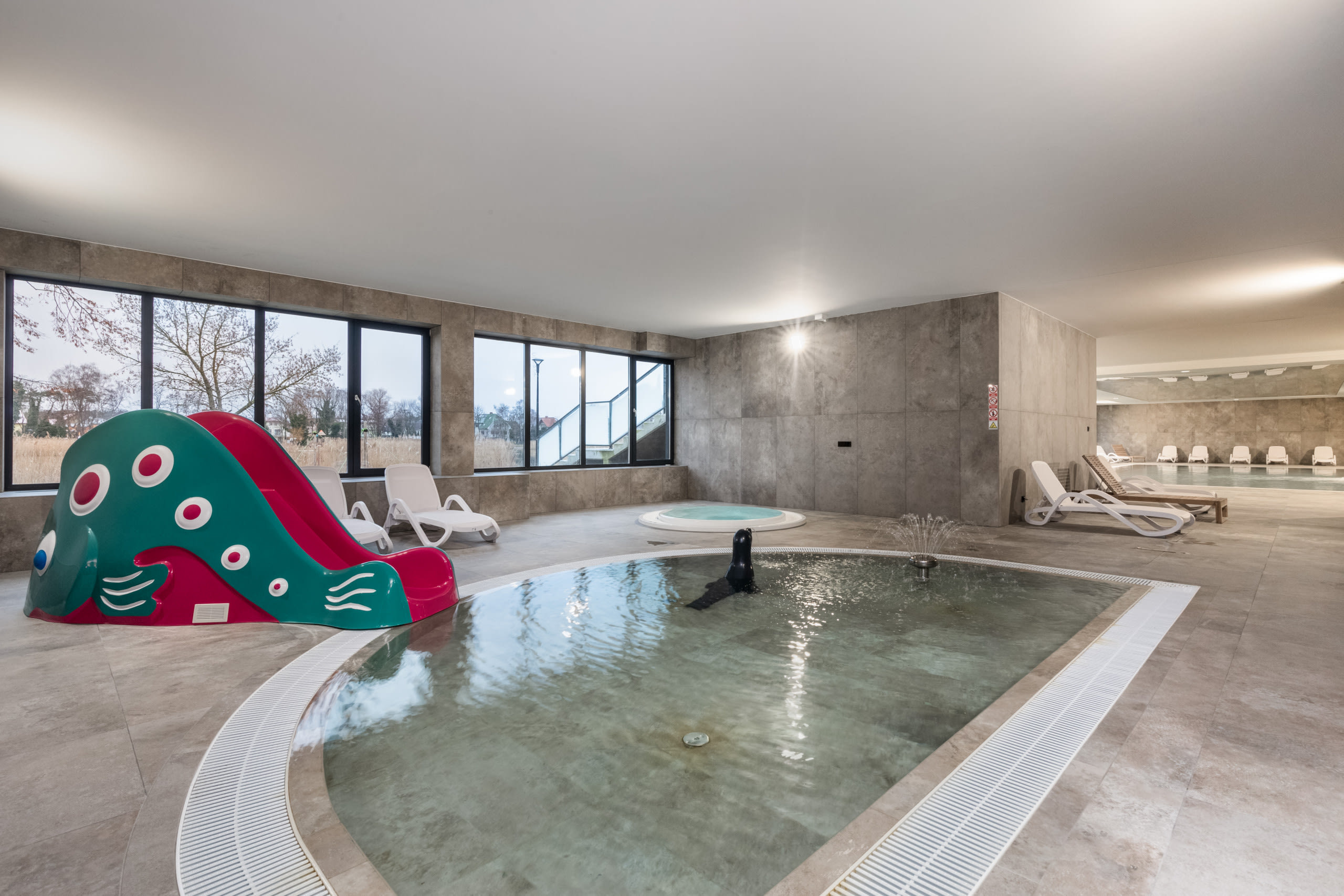
In high summer, yes: most days in July and August the water reaches 17–20°C. It is colder than the Mediterranean, so many apartment buildings on the coast have indoor pools and saunas.
Stays near this guide
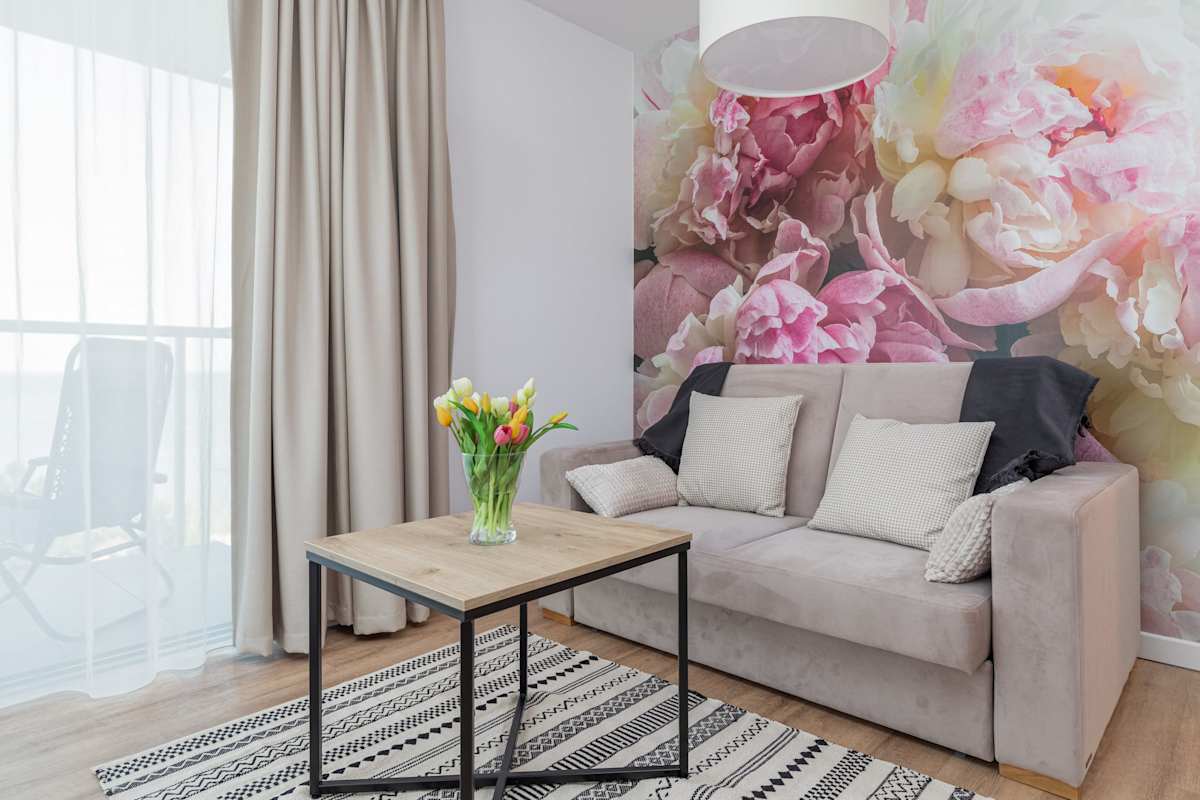
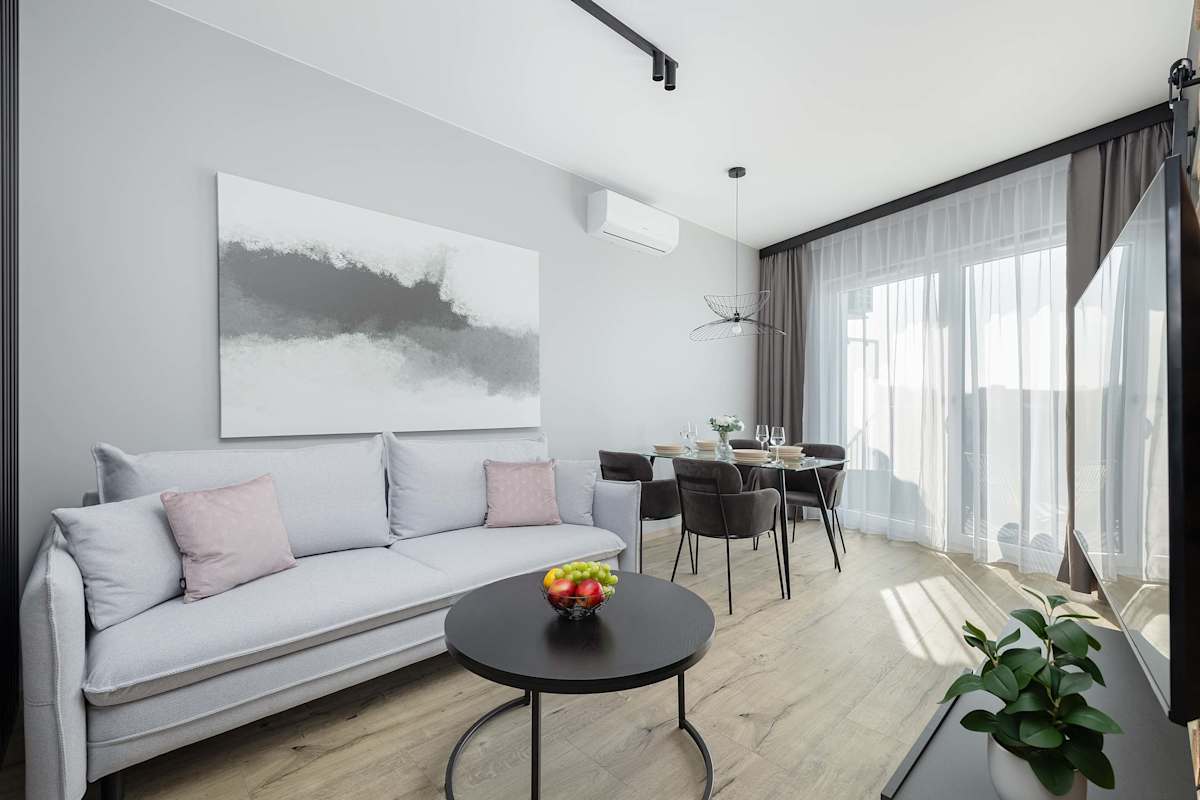
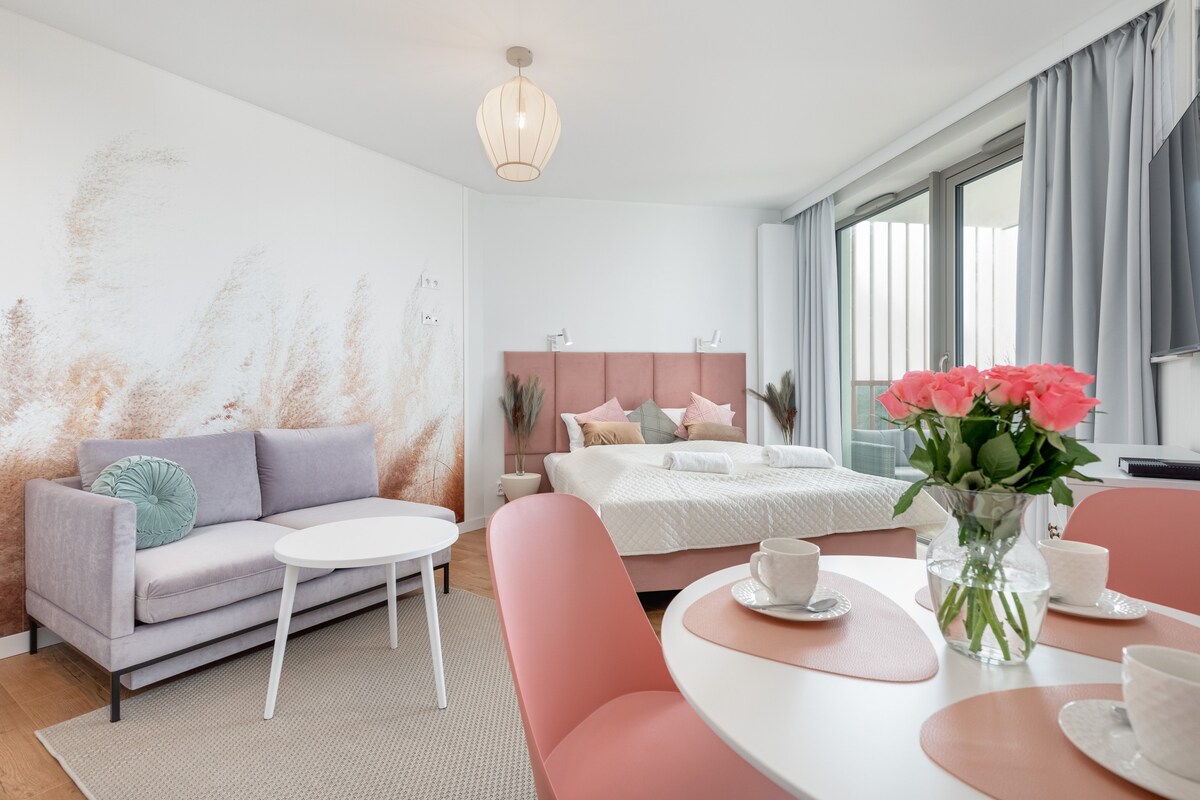
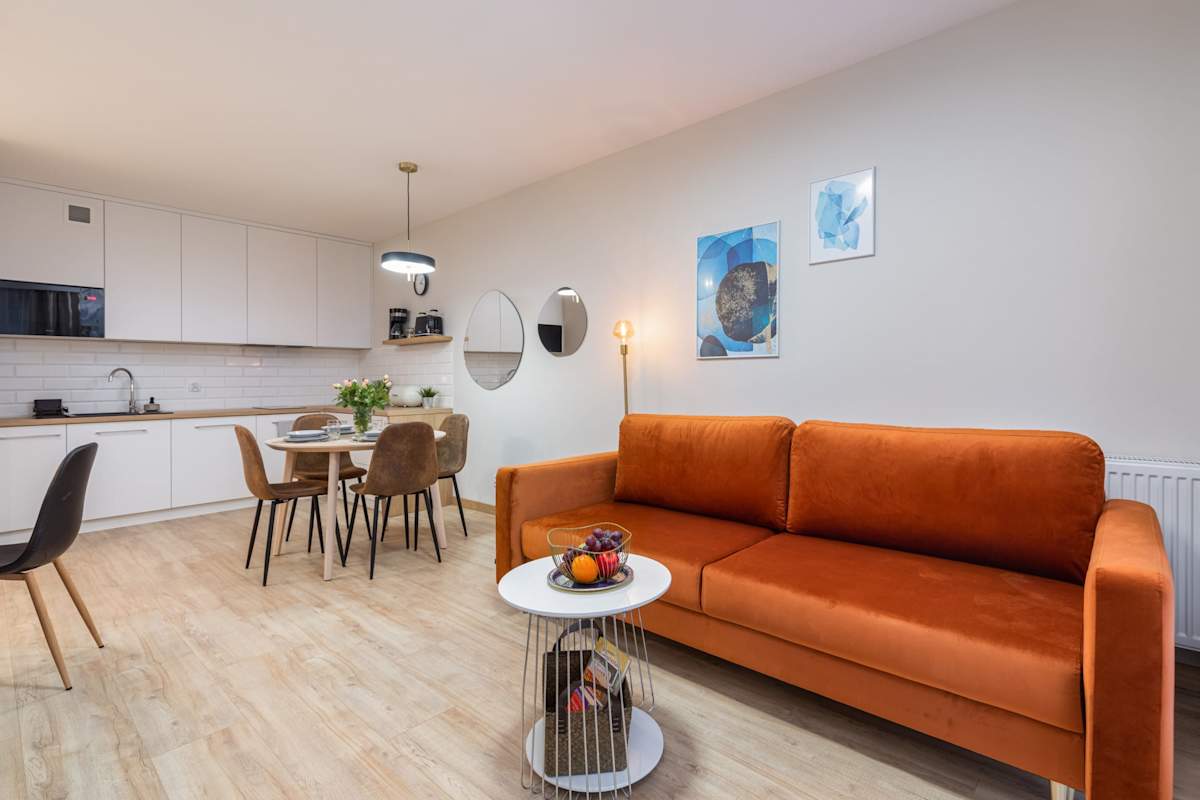
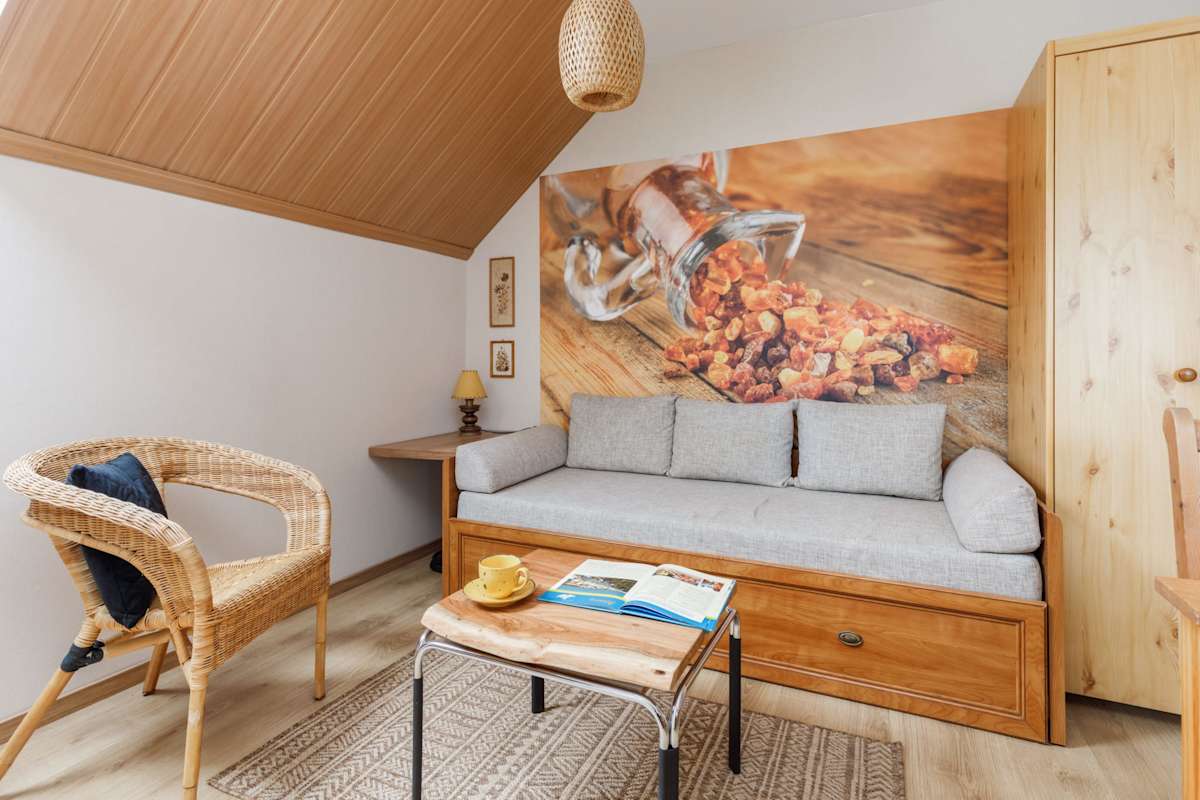
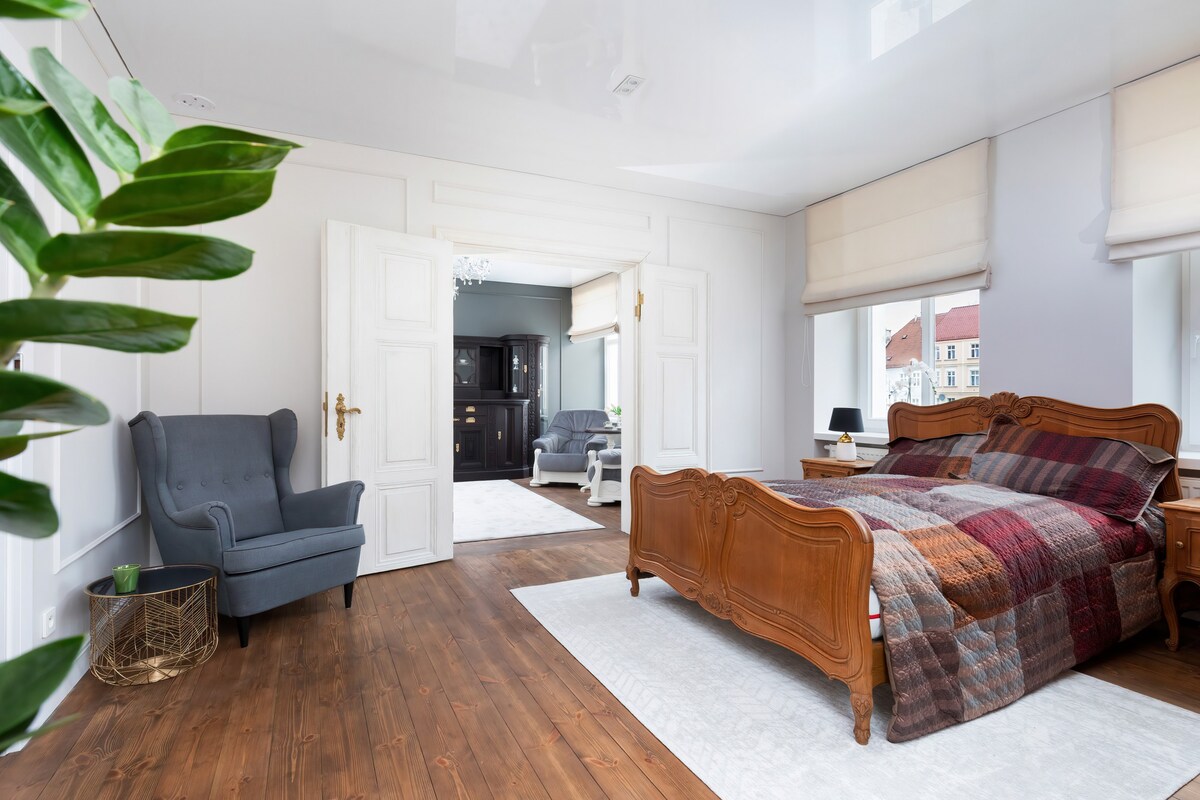
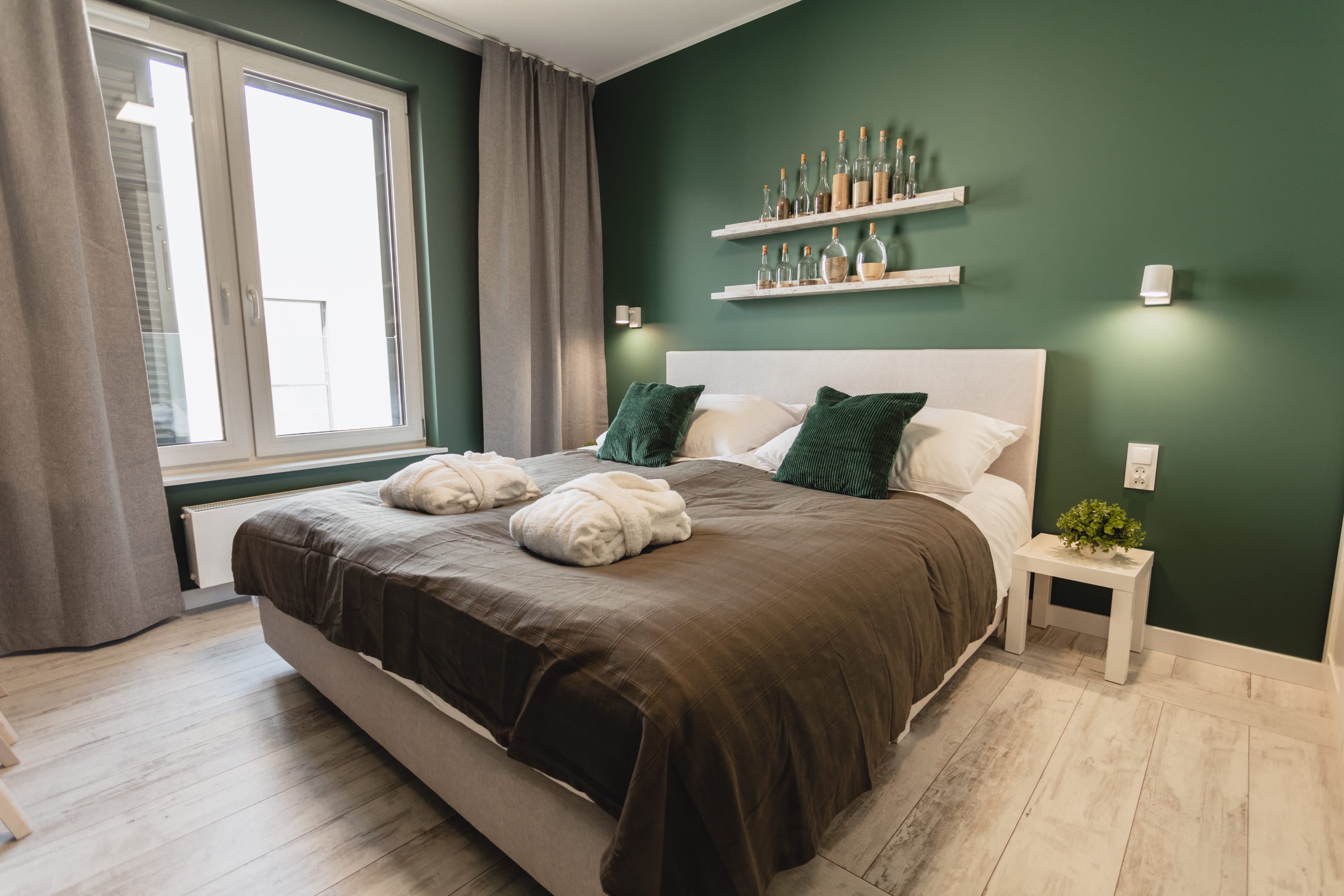
Top-rated independent stays in the region, ranked by CielStay authenticity score.
Try a search
Searches inspired by this guide — describe the vibe you want.
More guides
Nearby landmarks & attractions
Key destinations and attractions in the Baltic coast, Poland area.
Wolin National Park ↗ Maps
Cliffs, beech forest and a bison enclosure on the edge of Międzyzdroje.
Świnoujście Lighthouse ↗ Maps
The tallest lighthouse in Poland, at the mouth of the Świna.
Kołobrzeg Pier and Lighthouse ↗ Maps
The pier and harbour lighthouse of the largest spa town on the coast.
Słowiński National Park ↗ Maps
The moving dunes near Łeba, among the largest in Europe.
This guide was assembled from the local knowledge of hosts with properties throughout Baltic coast, Poland, as indexed by CielStay. The descriptions of restaurants, trails, swimming holes, and local tips reflect what hosts share with guests in their listings — not the observations of a travel journalist or guest reviewer. Photos are sourced from host listing images and are credited to their respective listings. Information about permits and trail conditions may change; always verify with official sources before your trip.