
America's Oldest City
St. Augustine holds a distinction no other American city can claim: founded by Spanish admiral Pedro Menéndez de Avilés on September 8, 1565, it is the oldest continuously occupied European settlement in the United States. That 450-year timeline is not an abstraction — it is present in the coquina stone walls of the Castillo de San Marcos, the grid of streets laid out by Spanish colonial planners, and the surviving architecture that spans five centuries of occupation. Travelers who come expecting a theme-park version of history leave surprised by the genuine density of what remains.
The city sits at the northern end of Florida's Atlantic coast, where the Matanzas River meets the Tolomato River before opening to the sea. The historic district occupies a compact peninsula — walkable end-to-end in under an hour — bounded by water on three sides. St. George Street, the pedestrian spine of Old Town, runs past colonial-era buildings, local shops, and historic churches. The Florida's Historic Coast designation encompasses the broader region, including the beaches of Anastasia Island directly across the Bridge of Lions.
The Historic District and Lincolnville
The Castillo de San Marcos National Monument anchors the north end of the waterfront. Built between 1672 and 1695, it is the oldest masonry fort in what is now the continental United States, constructed of coquina — a locally quarried shell-stone that absorbs cannon fire rather than shattering. The National Park Service manages the site; ranger-led programs run throughout the year.
South of the fort, the historic district extends through a mix of eras. Henry Flagler, the Standard Oil co-founder who transformed Florida's east coast in the 1880s and 1890s, left an outsized mark on St. Augustine. His Ponce de León Hotel (now Flagler College) and the Lightner Museum — housed in his former Alcazar Hotel — define the city's Spanish Colonial Revival architectural chapter. The Lightner Museum sits adjacent to Flagler College at the center of the historic district, within easy walking distance of the main accommodation corridor.
Lincolnville, the historically Black neighborhood immediately south of the colonial core, carries its own National Register of Historic Places designation. Hosts in the neighborhood describe it as containing the largest concentration of late Victorian-era buildings in the city within a 140-acre walkable footprint. The neighborhood borders the tourism epicenter of downtown while maintaining a quieter, residential character. Local restaurants, craft breweries, and the San Sebastian Winery are within walking distance of Lincolnville properties.
Staying in the Historic District
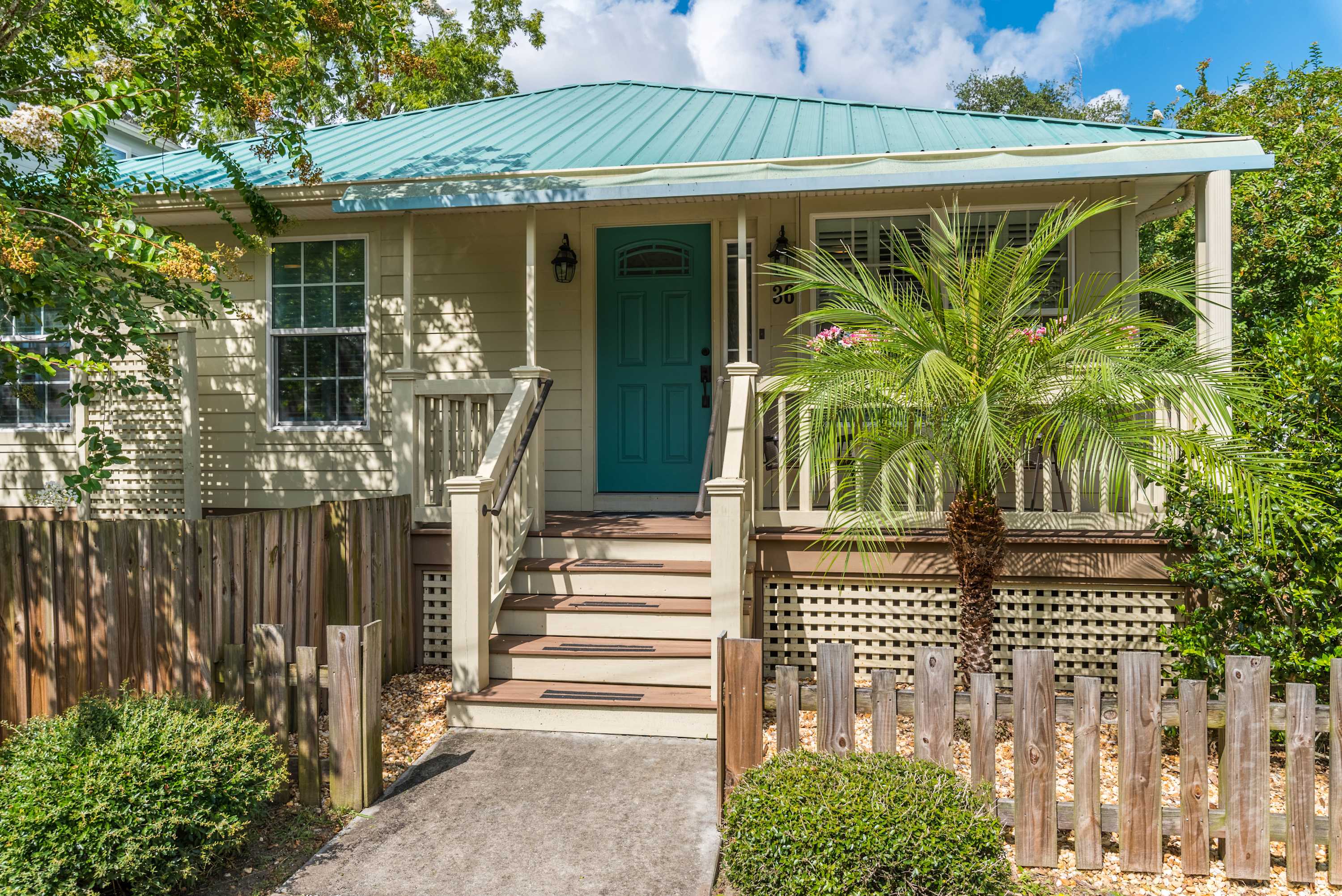
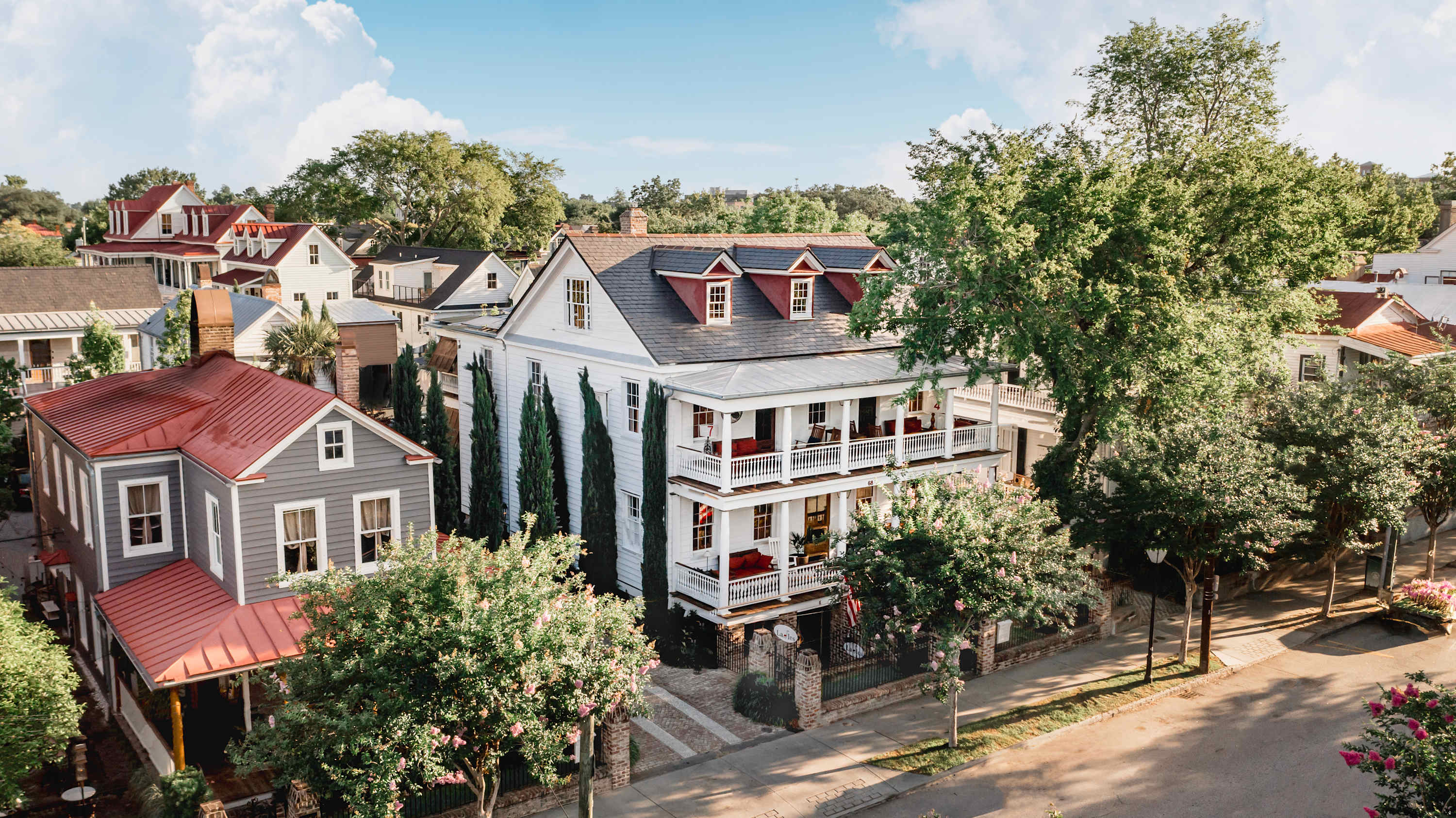
Accommodations near the historic core place guests within walking distance of the major landmarks, restaurants, and the waterfront. Several properties in the neighborhood are restored late-Victorian homes that read as destinations in themselves — wide front porches, original heart-pine floors, and architectural detail that contemporary construction cannot replicate.
Hosts describe the walkability in consistent terms: St. Augustine Distillery, Fish Camp restaurant, and San Sebastian Winery appear in multiple listings as neighborhood walkables. The Ice Plant — a craft distillery and restaurant in a converted 1927 ice plant — and Flagler College are referenced as steps from properties near La Quinta Place. Most downtown properties are within a short walk of St. George Street and the Castillo waterfront.
The Beaches of Anastasia Island
Anastasia Island lies directly across the Bridge of Lions from downtown, connected by a drawbridge that has become one of St. Augustine's most photographed landmarks. The island is home to St. Augustine Beach, Anastasia State Park, and a long stretch of Atlantic coastline. Hosts describe beach access as a 10-to-12-minute drive from downtown properties, with multiple public access points at St. Augustine Beach and Crescent Beach.
Anastasia State Park occupies the northern portion of the island and includes four miles of undeveloped beach alongside the Ancient Dunes nature trail and Salt Run lagoon — popular with kayakers and windsurfers. The St. Augustine Lighthouse and Maritime Museum, also on Anastasia Island, offers climb access to the 1874 lighthouse tower and exhibits on the region's maritime history.
For guests seeking dual waterfront access, a small number of properties on A1A South offer both direct Atlantic beach access and Intracoastal Waterway frontage — a configuration that hosts describe as rare on this stretch of coast. One such oceanfront condo opens directly onto the beach from a ground-floor covered patio and faces the Matanzas State Forest across the Intracoastal at the rear.
Architectural Character and Outdoor Spaces
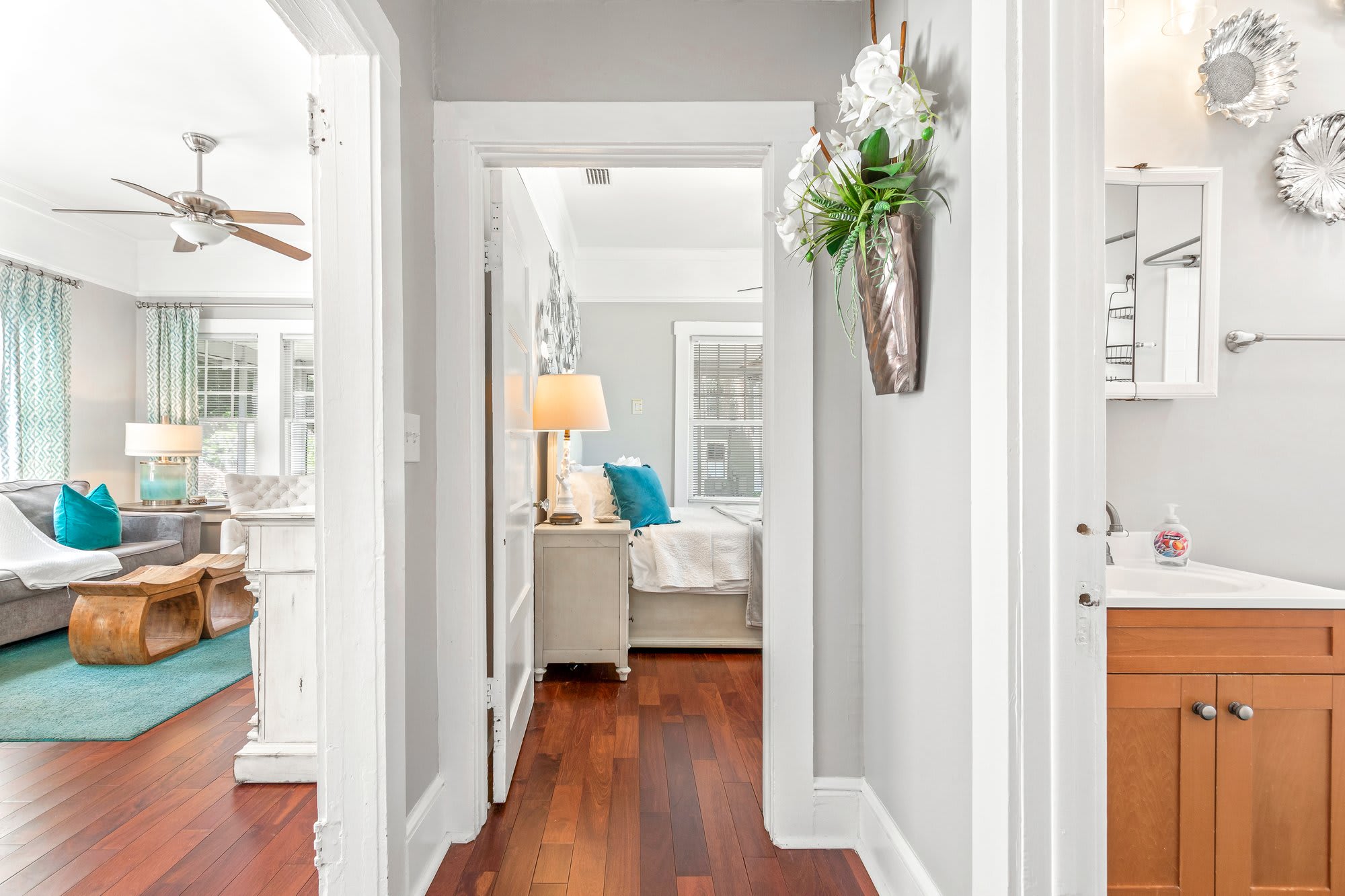
The residential architecture within a few blocks of the historic core spans the same Victorian-era building stock that defines Lincolnville's National Register status. Properties from the late 1800s and early 1900s regularly appear in the short-term rental market, many carrying original exterior coquina elements, clapboard siding, and deep front porches designed for the subtropical climate. Several hosts have undertaken full restorations — period-correct exterior preservation alongside modernized kitchens, updated bathrooms, and high-efficiency systems.
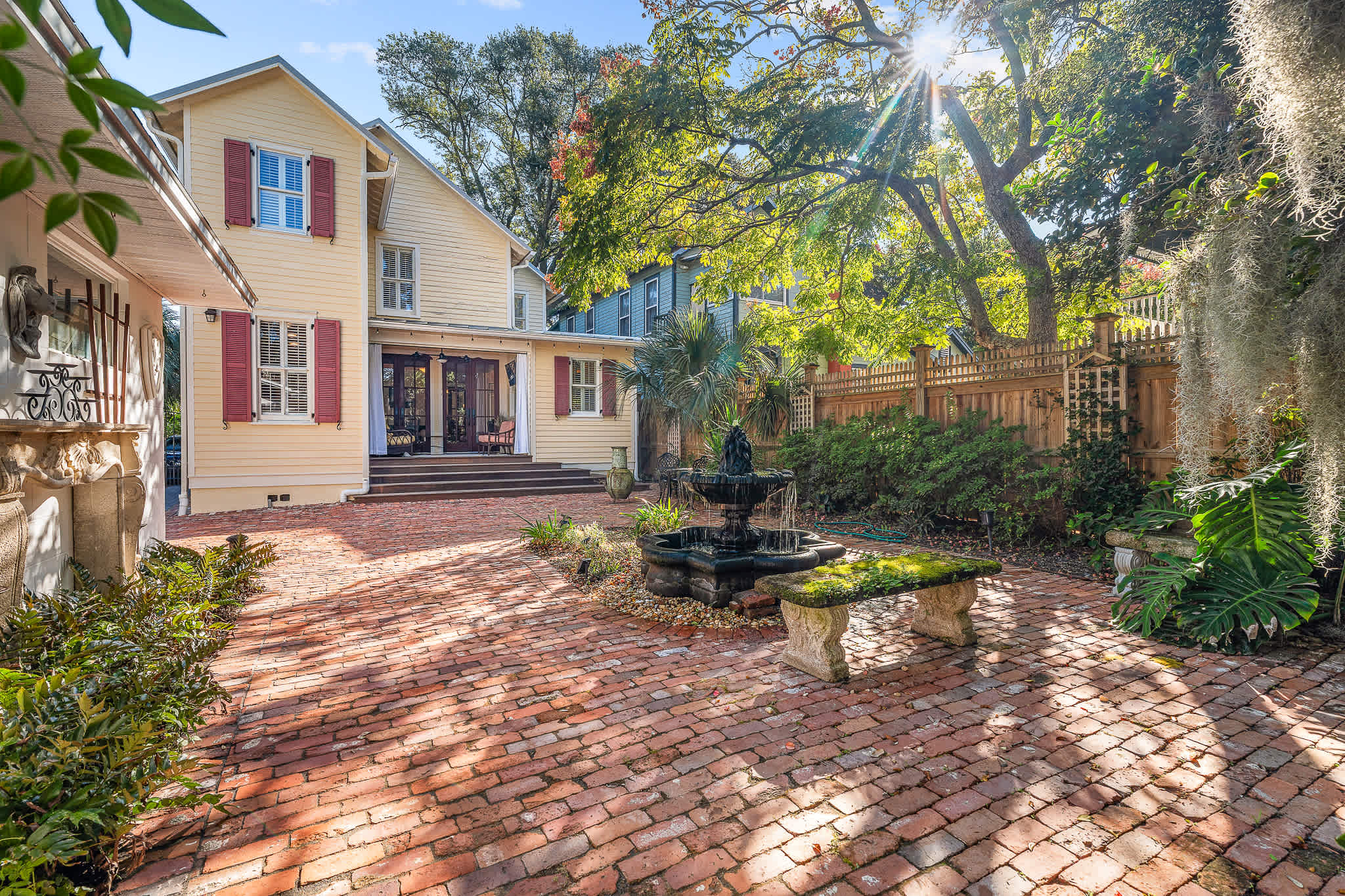
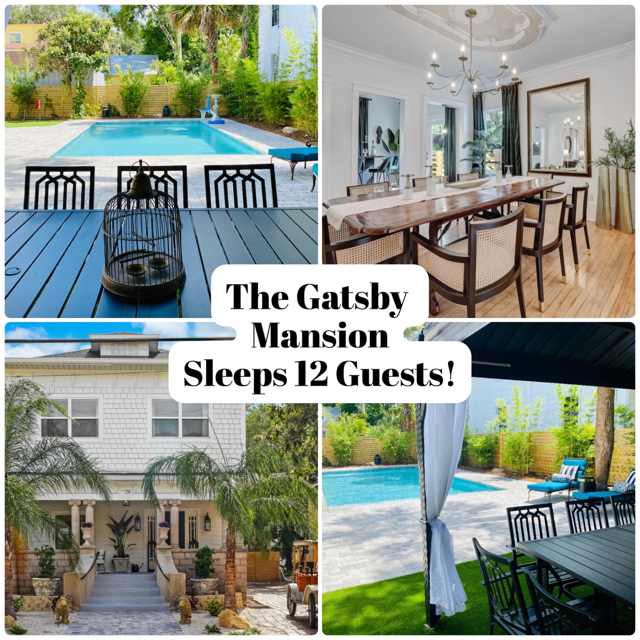
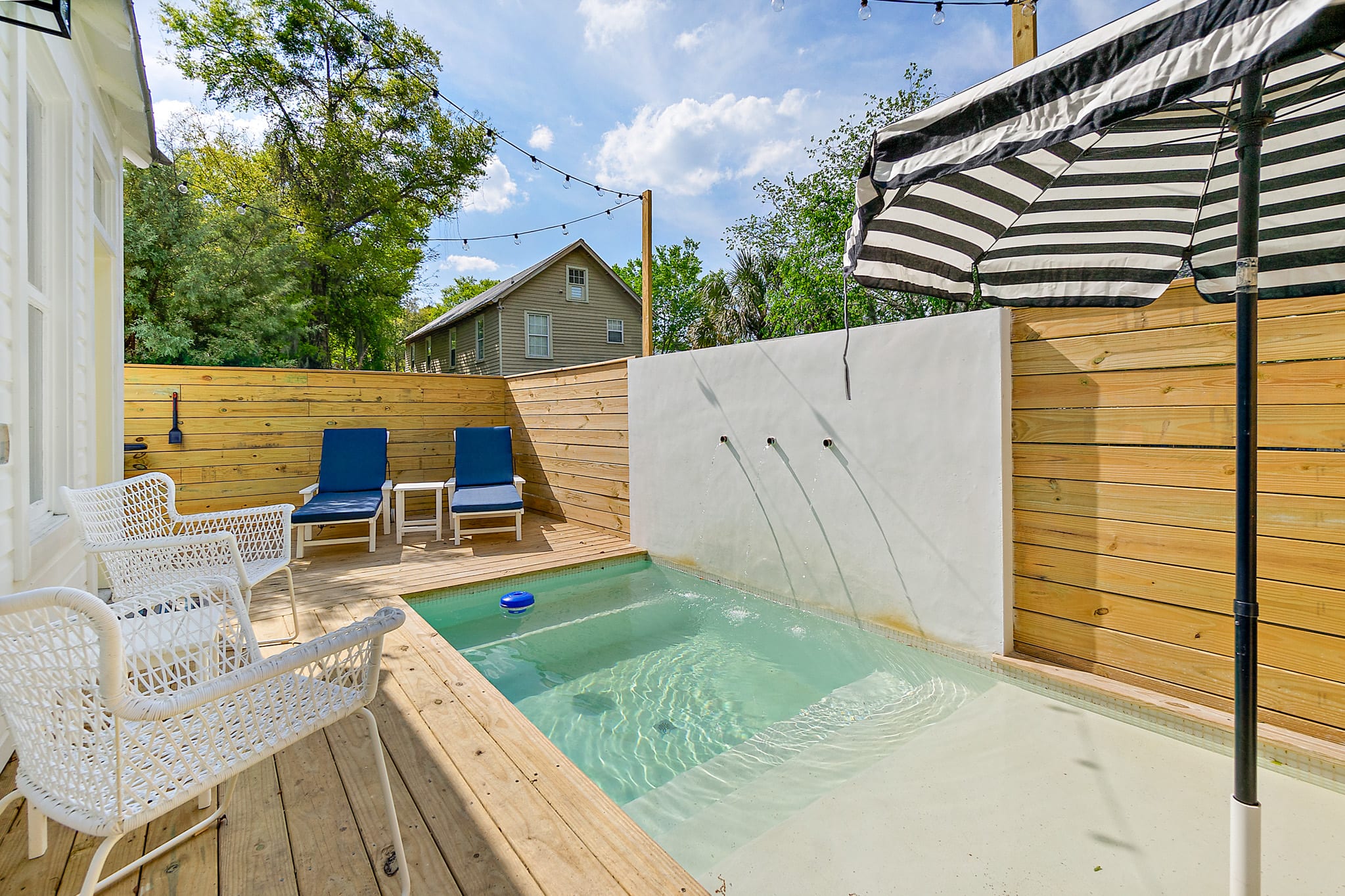
Outdoor space is a recurring theme in the listing copy. Multiple properties include covered back porches, courtyard fountains, mature tropical plantings, and chimineas for cooler evenings. One host describes a coquina-pillared front porch from which guests watch horse-drawn carriages pass — a detail that captures something specific about the neighborhood's pace. The Gatsby Mansion, a four-bedroom property near the historic center, features a 30-foot pool surrounded by bamboo and palms, with a covered gazebo that seats ten.
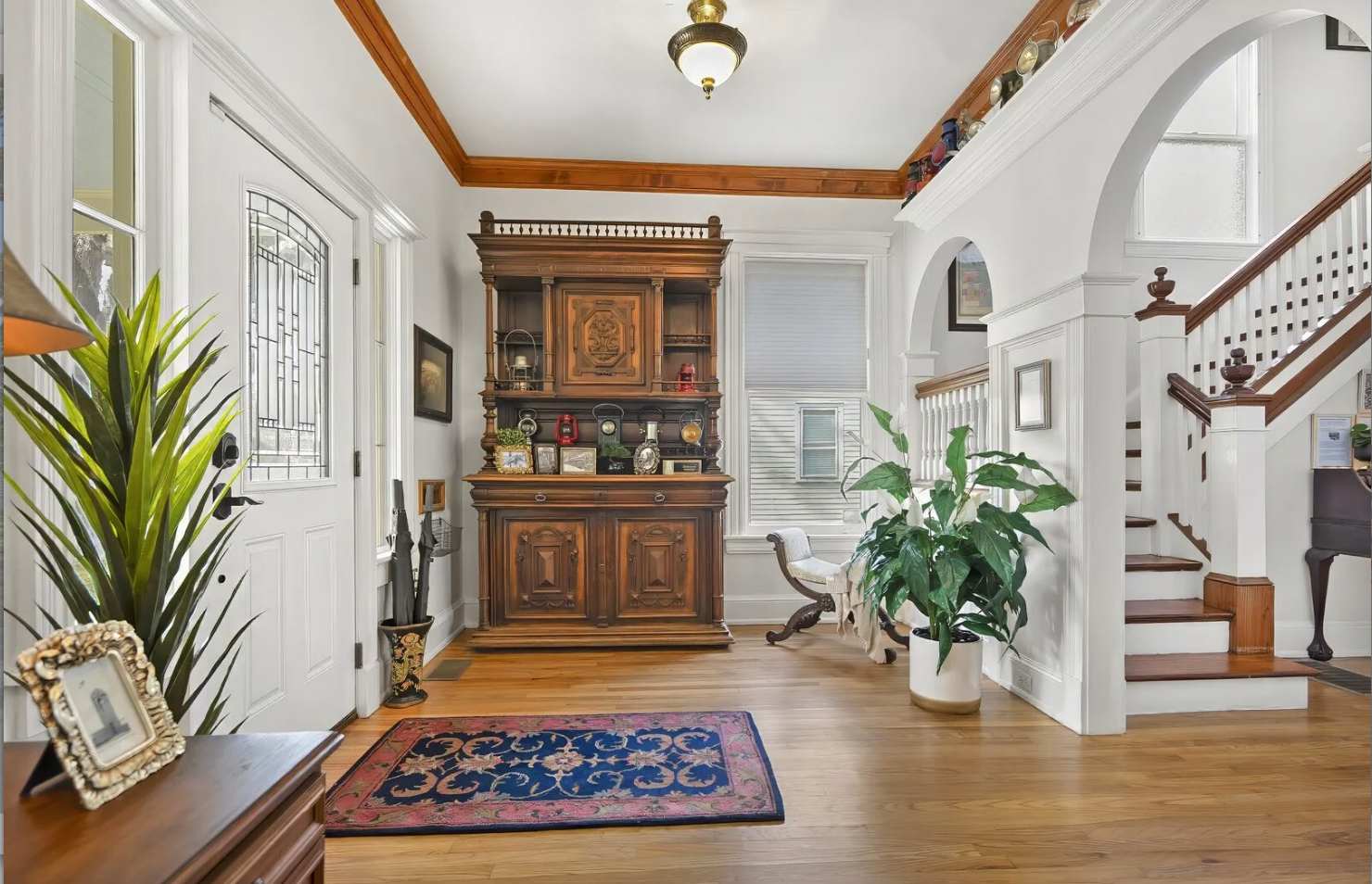
The historic homes in St. Augustine also accommodate groups well. The downtown corridor includes multi-bedroom properties sleeping eight to twelve guests under one roof, with layouts that include multiple en-suite bedrooms, formal dining rooms, and outdoor entertaining spaces. One property on La Quinta Place — decorated with Henry Flagler railroad memorabilia — sits steps from the Ice Plant, Flagler College, the San Sebastian Winery, and St. George Street, with the St. Augustine Lighthouse and Castillo de San Marcos within the same walkable radius.
When to Go
St. Augustine's climate is subtropical, with warm temperatures year-round. The peak tourist season runs from March through May and again in summer; fall (September through November) offers mild temperatures and smaller crowds. The Nights of Lights festival, held from mid-November through January, illuminates the historic district with millions of white lights — a tradition drawn from the Spanish custom of placing a single candle in the window at Christmas. Several hosts specifically note that they decorate their properties for the Nights of Lights season.
Summer brings high humidity and the possibility of afternoon thunderstorms, typical of the Florida peninsula. Hurricanes are a seasonal consideration from June through November; the Castillo de San Marcos withstood every major storm during its operational military years, and the city's modern building stock is generally well-hardened.
Getting Around
Within the historic district, the most practical mode of transportation is on foot. The colonial grid is compact, and most of the significant landmarks, restaurants, and the waterfront are within a 15-to-20-minute walk from properties on or near St. George Street. Cycling is viable; hosts mention delivery bike rental services that operate in the area.
For beach access and outlying attractions, a car is useful. Anastasia State Park, the lighthouse, and the beach pier at Pier Park are a short drive from the historic district. US-1 and A1A are the main commercial corridors, with grocery stores and restaurants distributed along both routes.
What to See and Do
The Castillo de San Marcos is the non-negotiable first stop — plan at least two hours for the fort itself and the adjacent bayfront. St. George Street rewards slow walking; the street is fully pedestrianized through the colonial core. The Lightner Museum fills a morning with its collection of Victorian-era art and curiosities inside Flagler's former hotel. The Alligator Farm Zoological Park on Anastasia Island is a legitimate wildlife institution, not merely a tourist attraction — it holds accreditation and houses every species of living crocodilian. Hosts mention it alongside the lighthouse as a consistent recommendation for families.
Several hosts reference Ripley's Believe It or Not Museum, deep-sea fishing charters, paddleboard and surfboard rentals, and boat tour operators — though specific operators should be confirmed locally, as the rental market shifts seasonally. The San Sebastian Winery, operating in a historic building near Lincolnville, offers tastings and tours on a walk-in basis most days. Dog Rose Brewery and the Prohibition Kitchen round out the craft beverage scene that hosts mention by name.
The nearby Washington Oaks State Park, to the south along A1A, preserves one of the most unusual geological formations on the Florida coast — coquina rock formations exposed at low tide in the formal gardens on the Intracoastal side. Marineland, also to the south, offers dolphin encounters in a historic facility that dates to 1938.
Find your base in St. Augustine, FL — browse stays indexed by CielStay.
Search stays on CielStay →Frequently asked questions
Is St. Augustine really the oldest city in the United States?
Yes. St. Augustine was founded on September 8, 1565, by Spanish admiral Pedro Menéndez de Avilés, making it the oldest continuously occupied European settlement in the continental United States. It predates the English settlement at Jamestown by 42 years. The city has been continuously occupied since its founding — through Spanish, British, and American periods — and its historic district retains significant Colonial-era architecture, including the Castillo de San Marcos, begun in 1672.
What is the Castillo de San Marcos and how do I visit it?
The Castillo de San Marcos is a 17th-century Spanish masonry fort on the Matanzas Bay waterfront, managed by the National Park Service as a National Monument. Construction began in 1672 and was completed in 1695; it is the oldest masonry fort in what is now the continental United States, built from locally quarried coquina shell-stone. The NPS offers ranger-led programs throughout the year. For current hours, admission fees, and program schedules, visit [nps.gov/casa](https://www.nps.gov/casa/index.htm).
What are the best beaches near St. Augustine?
The primary beaches are on Anastasia Island, directly across the Bridge of Lions from the historic district. St. Augustine Beach and Crescent Beach offer public access with parking and amenities. Anastasia State Park occupies the northern end of the island and provides four miles of undeveloped Atlantic shoreline alongside Salt Run lagoon. Hosts describe beach access as a 10-to-12-minute drive from most downtown properties. A1A South of the historic district also has quieter stretches of oceanfront with both Atlantic and Intracoastal Waterway access.
When is the best time to visit St. Augustine?
Spring (March through May) and fall (September through November) offer the most comfortable temperatures and the best balance of weather and crowd levels. The Nights of Lights festival runs from mid-November through January, illuminating the historic district in a tradition rooted in Spanish colonial custom — a popular draw for winter visits. Summer is warm and humid with afternoon thunderstorms typical of subtropical Florida. Hurricane season runs June through November; St. Augustine's historic building stock and the Castillo itself have historically weathered major storms well.
Stays near this guide
Top-rated independent stays in the region, ranked by CielStay authenticity score.
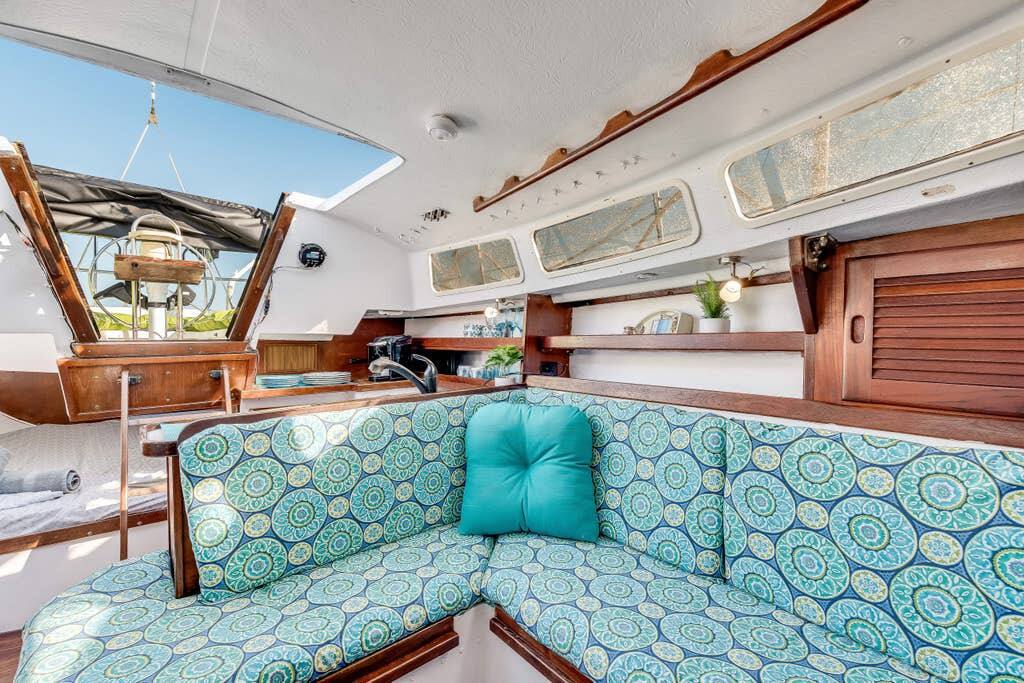
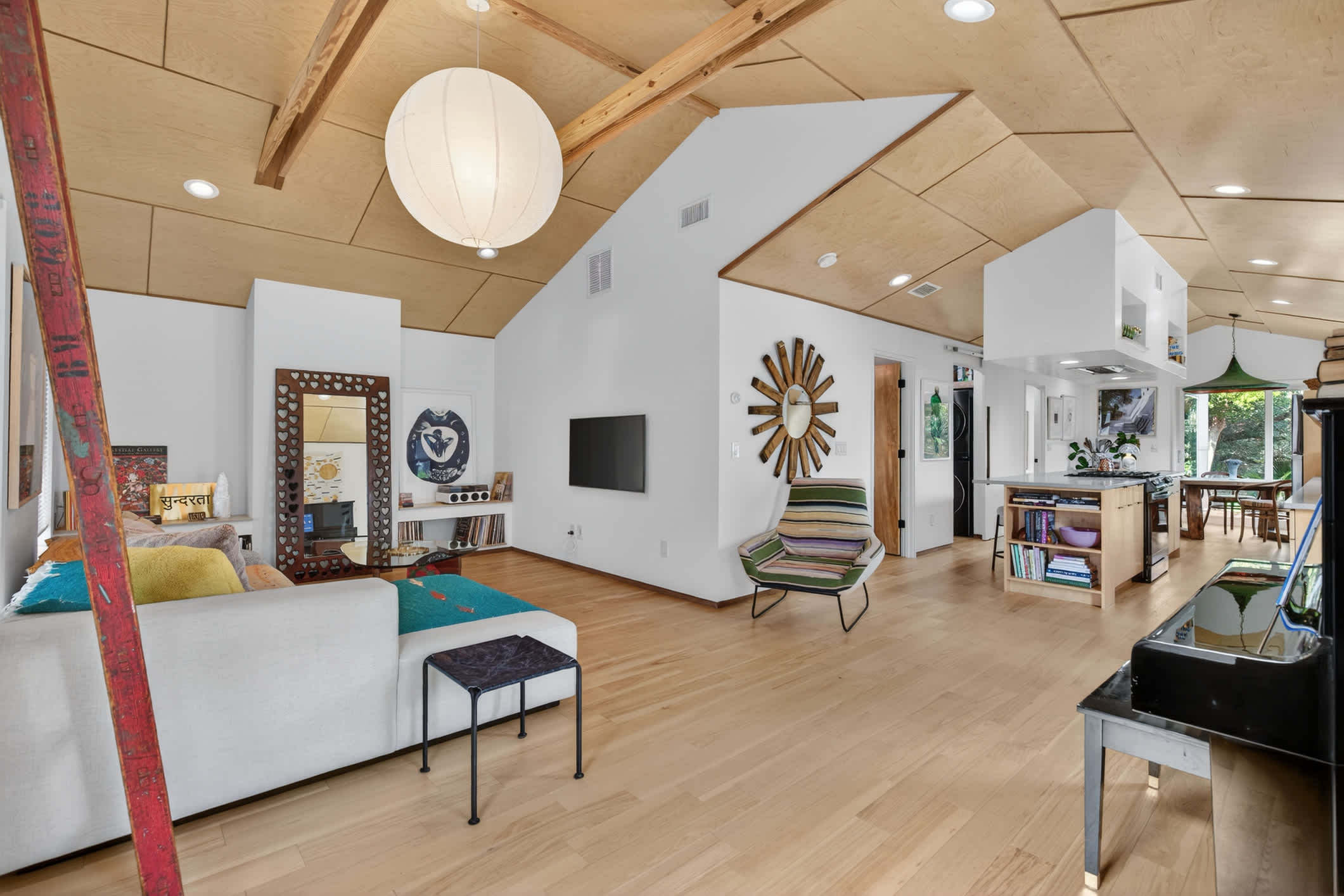
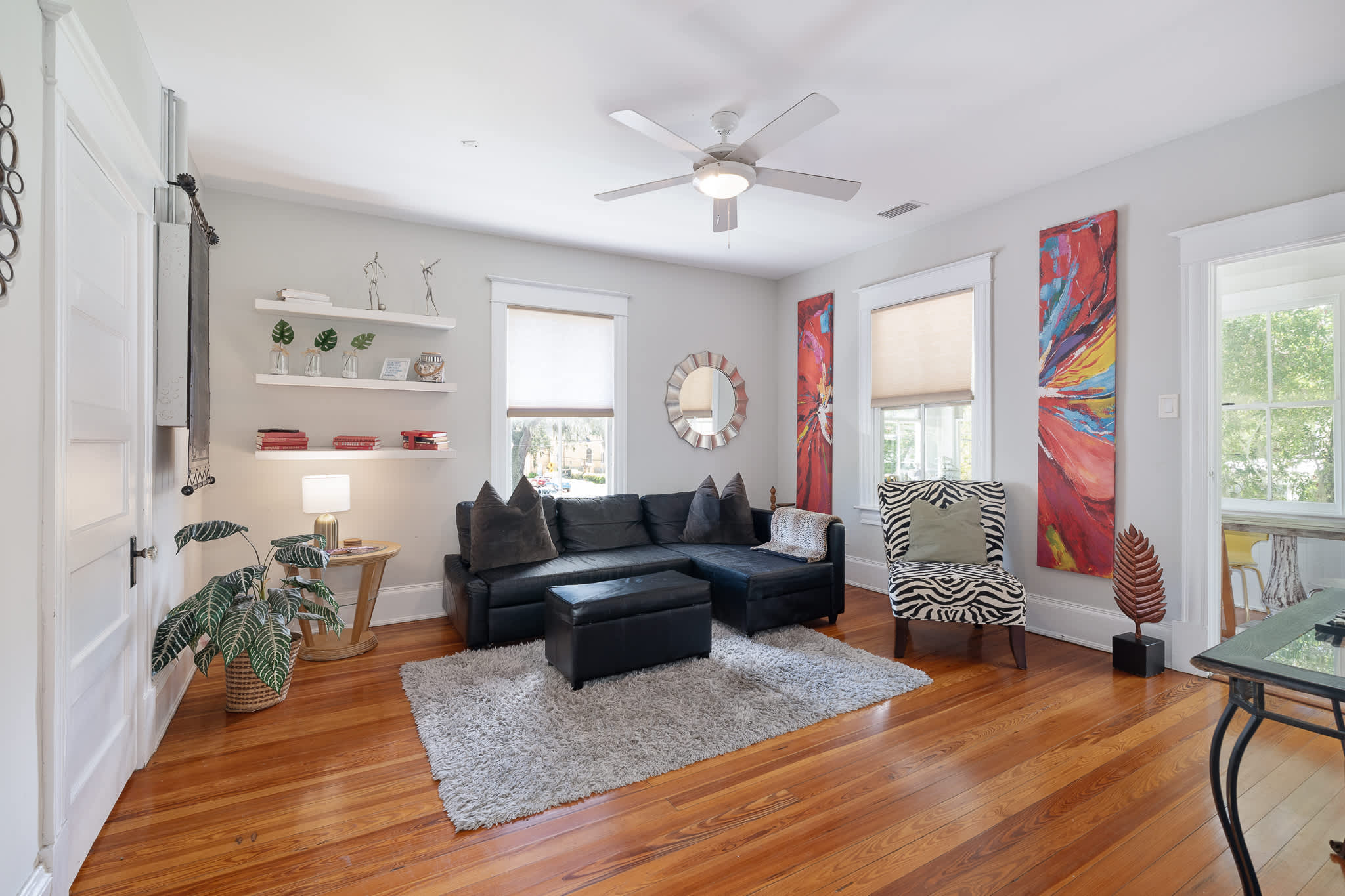
Try a search
Searches inspired by this guide — describe the vibe you want.
More guides

Nearby landmarks & attractions
Key destinations and attractions in the St. Augustine, FL area.
Castillo de San Marcos ↗ Maps
The oldest masonry fort in the continental US — built by the Spanish in 1672, it has never been taken by military force.
St. George Street ↗ Maps
The pedestrian heart of the historic district — colonial-era buildings housing shops, restaurants, and the oldest wooden schoolhouse in the US.
Anastasia State Park ↗ Maps
1,600 acres of barrier island with 4 miles of Atlantic beach — one of the best undeveloped beaches on Florida's northeast coast.
This guide was assembled from the local knowledge of hosts with properties throughout St. Augustine, FL, as indexed by CielStay. The descriptions of restaurants, trails, swimming holes, and local tips reflect what hosts share with guests in their listings — not the observations of a travel journalist or guest reviewer. Photos are sourced from host listing images and are credited to their respective listings. Information about permits and trail conditions may change; always verify with official sources before your trip.