
Where the Island Is at Its Most Hospitable
Hawaii is the Big Island, but "the Big Island" means different things on its different coasts. The east side — Hilo, Puna, the lava fields and rainforests — is a place of drama and wildness, where the island is still being actively made. The west coast, from Kailua-Kona south through Keauhou and north along the Kohala Coast to Waikoloa, is something else: calm seas, reliable sunshine, and a shoreline that has been drawing visitors for centuries.
The Kona and Kohala Coast sits in the rain shadow of Mauna Kea and Mauna Loa. That means reliable blue skies, clear water, and the snorkeling, diving, and deep-sea fishing that have made this coast famous across the Pacific. It also means more consistent sunsets — the kind that prompt guests to eat dinner on the lanai every single evening and never reconsider the decision.
If the Puna coast on the east side is Hawaii for people who want to get away from it, the Kona coast is Hawaii for people who want to be in it: in the water, on the water, watching the marine life, eating the fish, drinking the coffee grown on the slopes above town. The infrastructure here is real — restaurants, markets, charter boats, surf schools — without feeling like a theme park.
Kailua-Kona: The Historic Waterfront Town
Kailua-Kona (commonly shortened to "Kona") is the commercial and cultural center of the west coast. It is a real town — not a resort complex — with restaurants, shops, a working harbor where outrigger canoes share the water with fishing charters, and a historic core that stretches back centuries.
The waterfront has mattered to Hawaii for a long time. Kamakahonu Bay, a small cove on the north end of Alii Drive, was the home of King Kamehameha in his later years — the spot where the man who unified the Hawaiian Islands spent his final chapter. The Hulihe'e Palace served as a summer residence for Hawaiian royalty and stands today as a museum along the same waterfront. These are original structures on original ground.
Alii Drive runs south along the ocean, flanked by restaurants, surf shops, galleries, and palms. Continuing south, the Keauhou Shopping Center covers the practical essentials — market, bakery, coffee shop, restaurants, bookstore, shops, and a movie theater — plus a Saturday Farmer's Market that draws local growers and food producers each week. The neighborhood around Keauhou is a practical base: close enough to town for evenings out, far enough for the quiet that makes a real vacation possible.
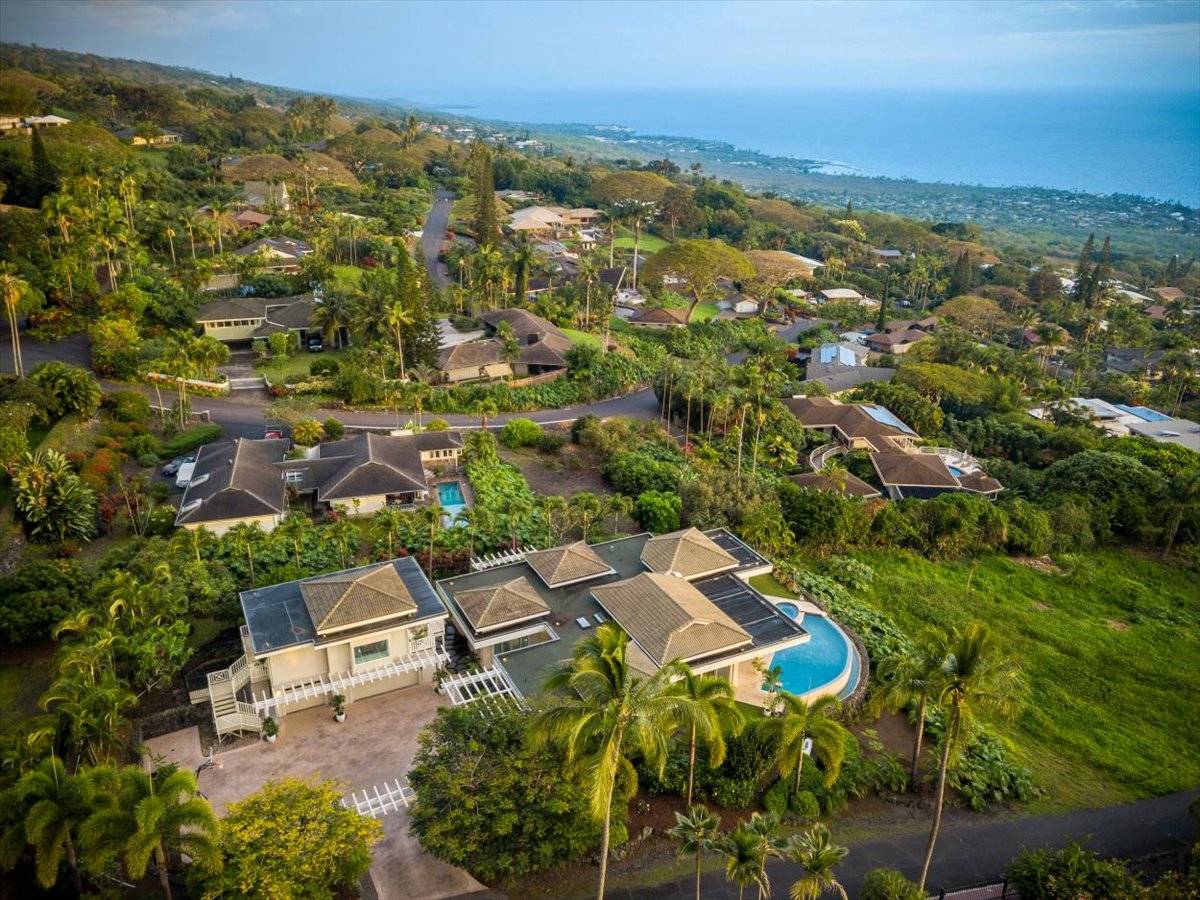
For those who want the elevated perspective literally, estates in the hills between Keauhou and town sit at around 1,000 feet — capturing panoramic coastline ocean views while remaining above the heat of the waterfront. The morning and evening light from that elevation is a different experience than the same hour at sea level.
Kahalu'u and the Kona Coast's Snorkeling
Just south of town, Kahalu'u Beach Park is the most visited snorkel spot on the west coast and one of the most reliably excellent in all of Hawaii. The breakwater extending from the beach creates protected, shallow water where reef fish are abundant and the currents are manageable for swimmers of all levels. Kahalu'u is known for its calm waters, snorkeling inside the breakwater, and surfing and stand-up-paddleboarding at the point where the protection ends and the open ocean begins.
A short distance north, Magic Sands Beach (La'aloa Bay Beach Park) is a stretch of genuine white sand — one of only a handful on this coastline, which is predominantly hardened black lava. The beach has a local reputation for washing away entirely during large swells and reappearing in calmer periods. The name is earned.
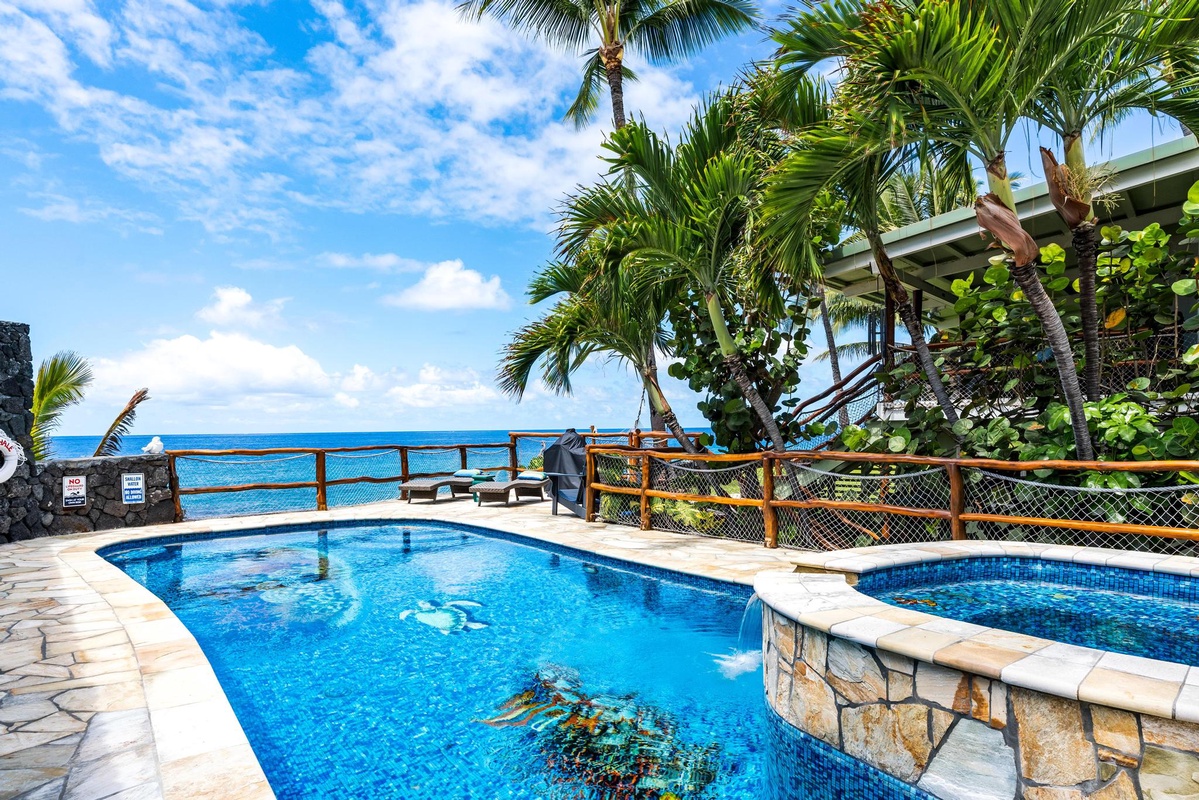
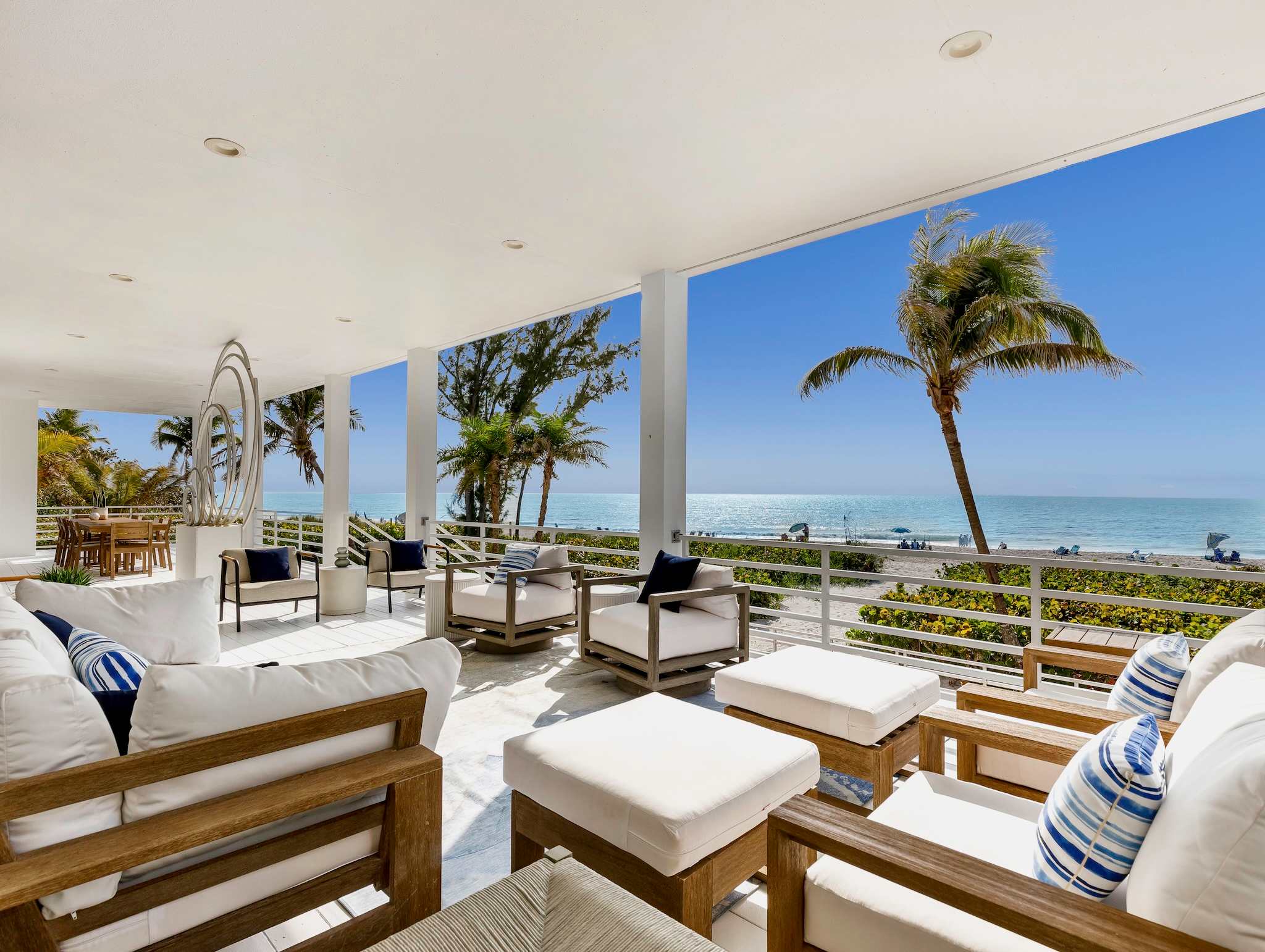
Sea turtles are a near-daily presence at Kahalu'u and along the rocky points of the Keauhou area. Hosts at oceanfront properties note that a resident turtle has been documented at the lava-rock shoreline — a good illustration of the density of marine life along these points. Spinner dolphins travel in pods along the coast. Humpback whales arrive in winter months and are visible from shore and from private lanais overlooking the water.
Ocean Life from Shore: What the Lava Coast Offers
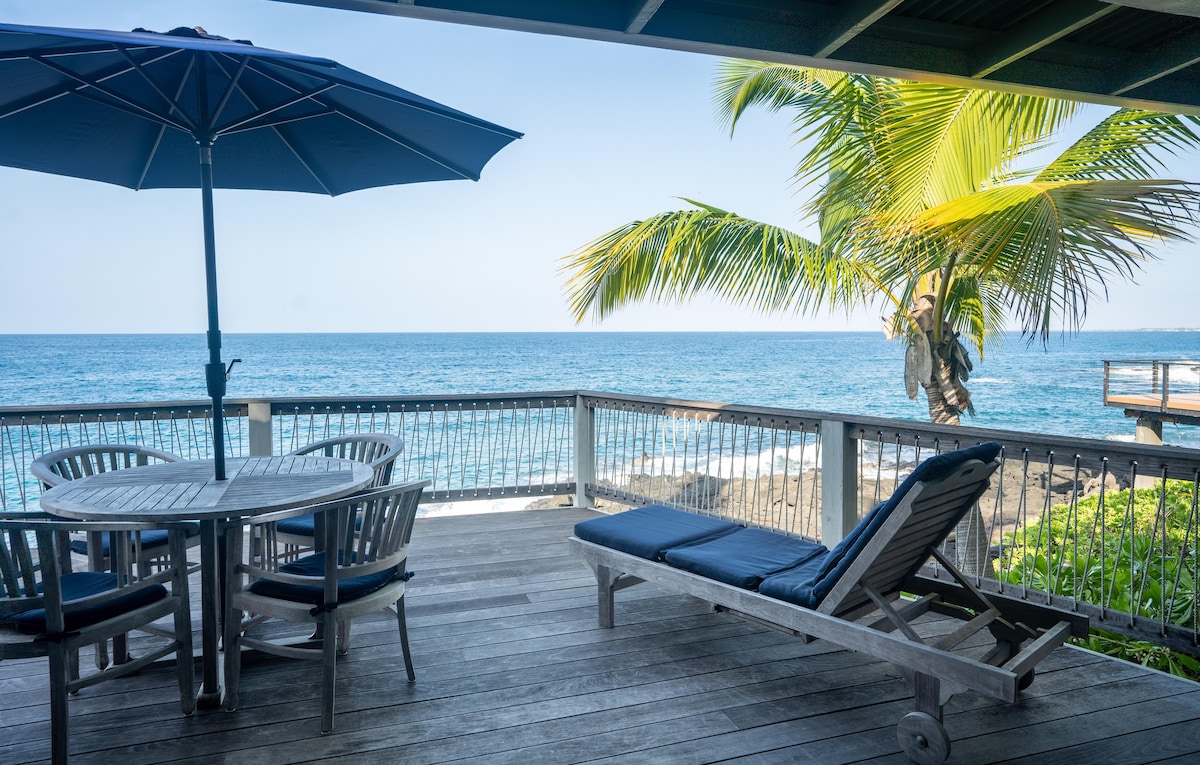
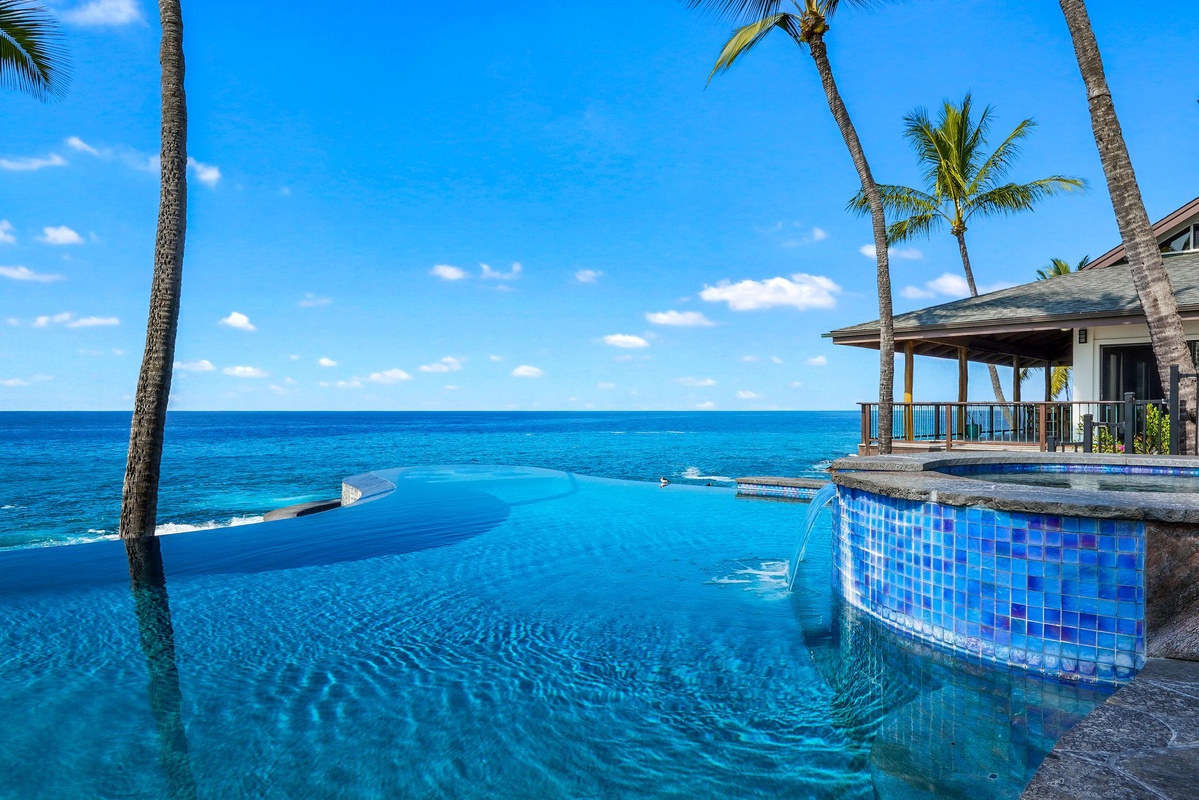
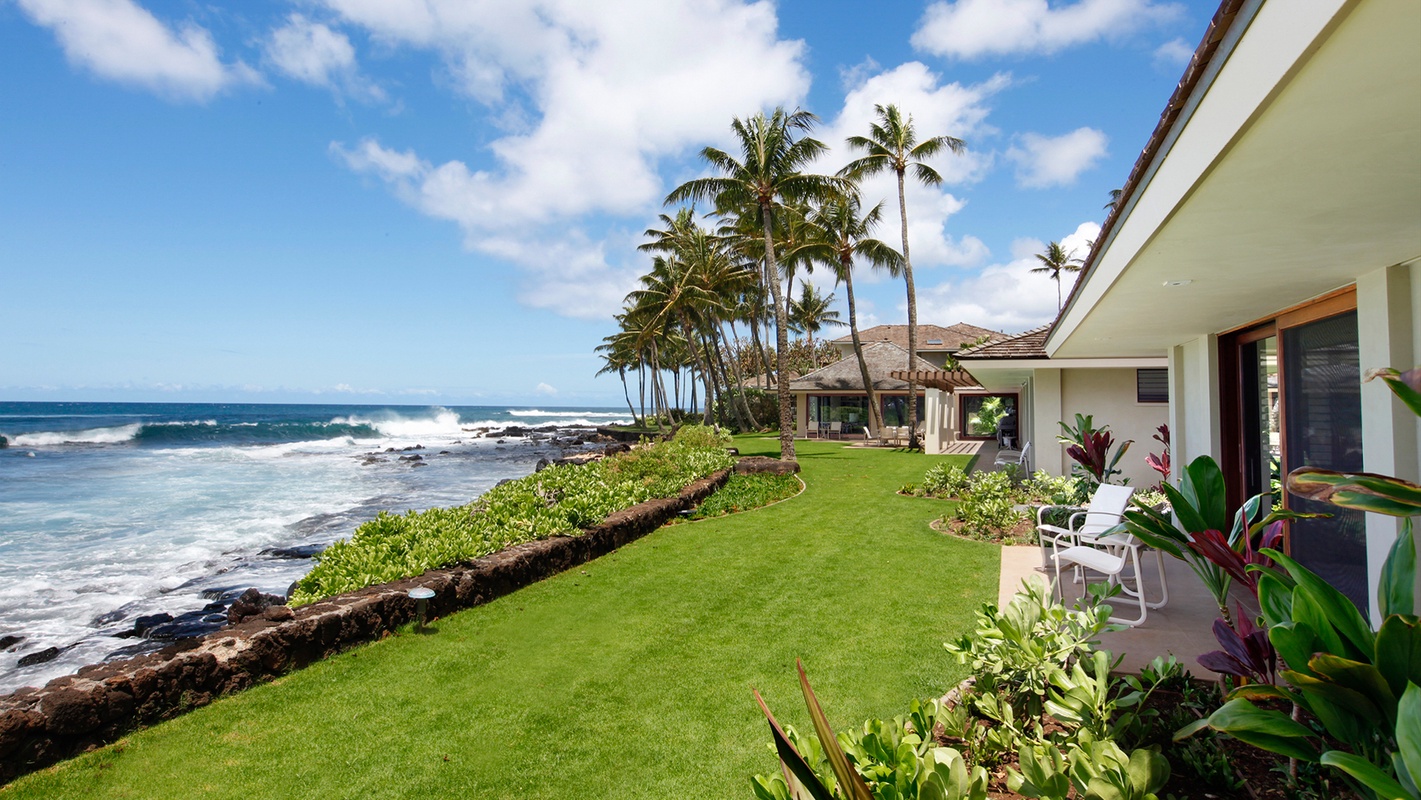
The lava coastline is what makes Kona's ocean access genuinely distinctive. Unlike the sandy-beach destinations common to other Hawaiian islands, much of the Kona shoreline is hardened lava rock that descends directly into clear, deep-blue water. Hosts at oceanfront properties describe direct backyard ocean entry access to snorkeling, surfing, paddle-boarding, and swimming off the lava — no beach required, just gear and confidence.
The water is clear because there is no sand to disturb; visibility in Kona's offshore waters is among the best in the state. Dive operations run trips to lava tubes, sea arches, and cleaning stations where manta rays feed on plankton at night — one of the more unusual wildlife experiences in the Pacific.
Deep-sea fishing is a significant industry here. Blue marlin, yellowfin tuna, and mahi-mahi are all regularly taken offshore. The Honokohau Harbor north of Kailua-Kona is the departure point for charter fishing fleets that have operated these waters for decades. The Kona coast holds multiple world records for Pacific blue marlin — the offshore canyon and thermocline conditions here are exceptional.
The winter months bring humpback whales in numbers. Multiple listing hosts note whales visible from shore, from oceanfront lanais, and from the water on snorkel and dive excursions. The experience of watching a humpback breach from a private deck while having morning coffee is one that guests describe returning specifically to repeat.
The Kohala Coast: Mauna Lani and Waikoloa
Twenty-five miles north of Kailua-Kona, the landscape transitions. The Kohala Coast is a stretch of ancient lava fields fronted by the island's most developed resort communities — the largest concentration of resort infrastructure on the Big Island.
Mauna Lani Beach Resort is one of the coast's anchors. The Mauna Lani Beach Club offers guests at resort residences access to one of the most protected white-sand coves on the island — calm swimming conditions, first-come lounge chairs, and a full-service beachfront restaurant. The Shops at Mauna Lani provide dining, boutiques, and grocery access within the resort. Championship golf courses and coastal walking paths round out the day-to-day experience for guests staying in the Mauna Lani community.
The Waikoloa Beach Resort is the other major node — a planned resort community with golf, shopping, and beach access. Within the resort, the Hali'i Kai residential community sits on the golf course overlooking the Kohala Coast. The community's private Ocean Club centers on a lagoon-style pool with waterfall, a sandy-bottom whirlpool spa, and submerged Aqua-Loungers. A keiki wading pool makes it family-friendly. The Ocean Club includes a private restaurant and bar, outdoor grill, and pavilion — a full amenity stack that means guests rarely need to leave the property. The surrounding area is productive for whale-watching, surfing, and sunsets.
The Kohala Coast's appeal is specific. The terrain is raw black lava running to the sea, with Mauna Kea rising 13,000 feet behind. The resort infrastructure is as polished as anywhere in Hawaii. The distance from the crowds of Kailua-Kona is real. And the light here — the afternoon gold over the lava, the pink-and-orange sunsets over the Pacific — is the light that makes photographers stay longer than they planned.
Coffee Country and the Hills Above Kona
Above Kailua-Kona, the slopes of Hualalai volcano rise steeply into the Kona coffee belt — the band between roughly 800 and 2,500 feet where volcanic soil, afternoon cloud cover, and mild temperatures create conditions for one of the world's most prized single-origin coffees. Every cup of Kona coffee served on Alii Drive was grown within a few miles of where you are sitting.
The village of Holualoa sits at the heart of this belt, a small community known for its art galleries. Listings along the Kona coast consistently mention Holualoa as a worth-the-drive afternoon destination — a quiet contrast to the waterfront bustle a few hundred feet below.
Activities accessible from the Kona coast span the full spectrum: swimming, snorkeling, golf, hiking, biking, deep-sea fishing, diving, and exploring the galleries of Holualoa — a range that comes directly from how hosts who live here describe what their guests do. No fabricated itinerary required.
Day Trips from the West Coast
The Queen Ka'ahumanu Highway (Highway 19) connects Kailua-Kona to the Kohala resort communities through raw black lava fields — one of the more otherworldly highway drives in the United States, and a reminder that you are on a geologically young island.
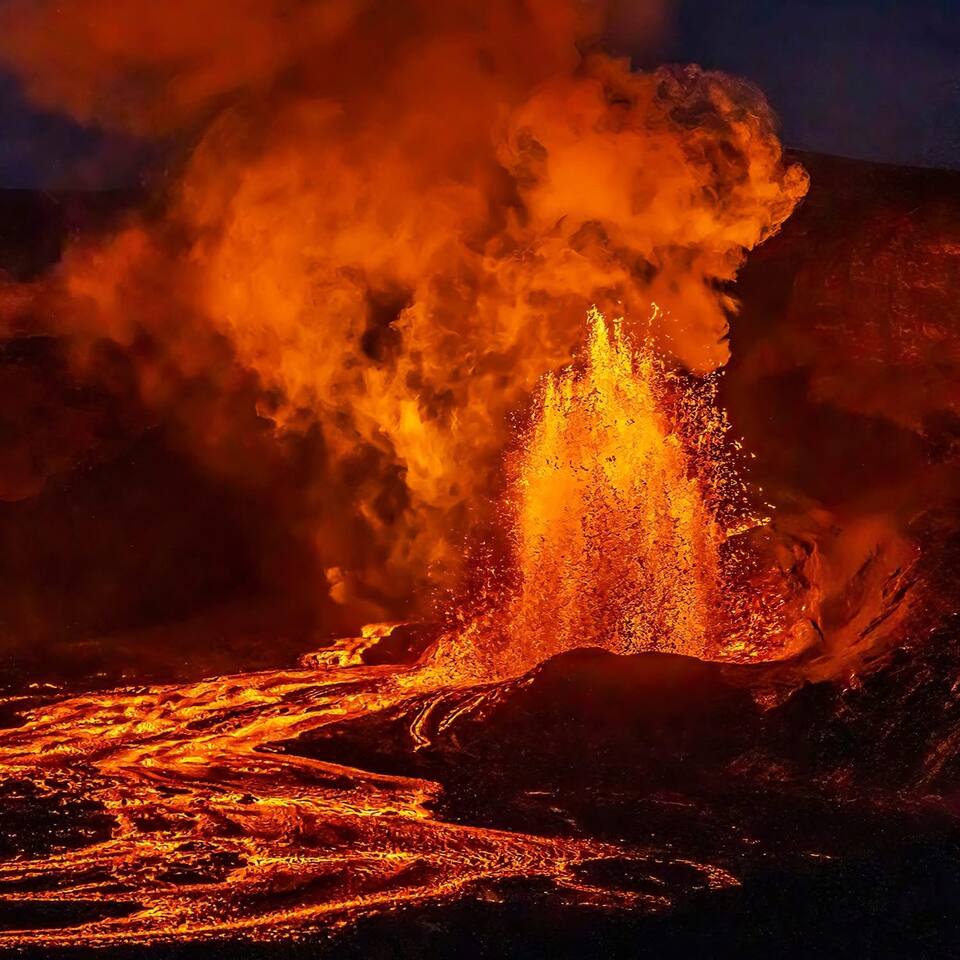
From Kona, the entire island is reachable on day trips. Heading north: the Kohala Coast resort communities and, further on, the dramatic Waipi'o Valley lookout — a 2,000-foot panorama over a taro-farmed valley floor. Heading east: waterfalls, rainforests, and the town of Hilo, which offers its own distinct, unhurried Hawaiian character and the best farmer's market on the island. Heading southeast: the lava coast, Puna, and Hawai'i Volcanoes National Park, where Kilauea continues to erupt. The active volcanic landscape of the east side is roughly two to three hours from Kona — an entirely different world, and one of the most significant natural spectacles in the Pacific.
For current information on planning a Big Island trip, gohawaii.com maintains updated resources on conditions, permits, and island activities.
Find your base in Kailua-Kona, HI — browse stays indexed by CielStay.
Search stays on CielStay →Frequently asked questions
What county is Kailua-Kona in, and how many people live there?
Kailua-Kona is on the leeward (west) coast of the Island of Hawaii, in Hawaii County. It had 19,713 residents at the 2020 census, which makes it the largest community on the Kona side of the island.
When is the best time to visit Kona and the Big Island?
Kona's west coast is a year-round destination — the rain shadow of Mauna Kea and Mauna Loa keeps annual rainfall low and blue-sky days reliable in every season. Summer (June through September) brings the calmest ocean conditions for snorkeling, diving, and Na Pali-style boat tours. Winter (December through April) is peak humpback whale season, with whales regularly visible from shore and from private lanais along the coast. The shoulder months of May and October offer a balance of calm seas and fewer crowds.
Is Kona good for snorkeling and where is the best spot?
Kona is widely considered one of the best snorkeling destinations in Hawaii. Kahalu'u Beach Park, just south of Kailua-Kona town, is the most accessible entry point — the breakwater creates protected, shallow water with abundant reef fish and manageable currents for all skill levels. The broader lava coastline offers direct ocean entry from many vacation rentals, with visibility among the best in the state. Night manta ray dives off the Kohala Coast are a unique Big Island experience.
How does the Kona coast differ from the Puna and Hilo side of the Big Island?
The Kona and Kohala coasts occupy the Big Island's dry, sunny west side, sheltered by the island's two great volcanoes. Expect reliable sunshine, calm bays, resort infrastructure, and a working waterfront town in Kailua-Kona. The Puna coast on the east is dramatically wetter, wilder, and more remote — black sand beaches, thermal pools, ancient rainforest, and the lava fields of an actively erupting volcano. Both are on the same island but feel like different countries. Many visitors base in Kona and day-trip to Puna and Hawai'i Volcanoes National Park.
What is the Kohala Coast and is it worth staying there?
The Kohala Coast is the stretch of lava-field shoreline roughly 25 miles north of Kailua-Kona, home to the Big Island's major resort communities including Mauna Lani and Waikoloa Beach Resort. It offers white-sand beach access, championship golf, resort-level amenities, and a quieter atmosphere than Kailua-Kona town. Vacation rentals within resort communities like Hali'i Kai and Fairways at Mauna Lani often include access to private beach clubs, pools, and fitness facilities. It is the right base for travelers prioritizing calm-water swimming, golf, and polished resort infrastructure.
Stays near this guide
Top-rated independent stays in the region, ranked by CielStay authenticity score.




Try a search
Searches inspired by this guide — describe the vibe you want.
More guides
Nearby landmarks & attractions
Key destinations and attractions in the Kailua-Kona, HI area.
Kailua-Kona ↗ Maps
The Big Island's west coast hub — historic waterfront, snorkeling bays, and the world headquarters of Ironman triathlon.
Hapuna Beach State Recreation Area ↗ Maps
Consistently ranked one of the best beaches in the US — half-mile of white sand on the Kohala Coast with excellent swimming.
Place of Refuge (Puuhonua o Honaunau) ↗ Maps
National historical park preserving an ancient Hawaiian place of refuge — reconstructed temple, royal fishponds, and cultural demonstrations.
This guide was assembled from the local knowledge of hosts with properties throughout Kailua-Kona, HI, as indexed by CielStay. The descriptions of restaurants, trails, swimming holes, and local tips reflect what hosts share with guests in their listings — not the observations of a travel journalist or guest reviewer. Photos are sourced from host listing images and are credited to their respective listings. Information about permits and trail conditions may change; always verify with official sources before your trip.